
Planting
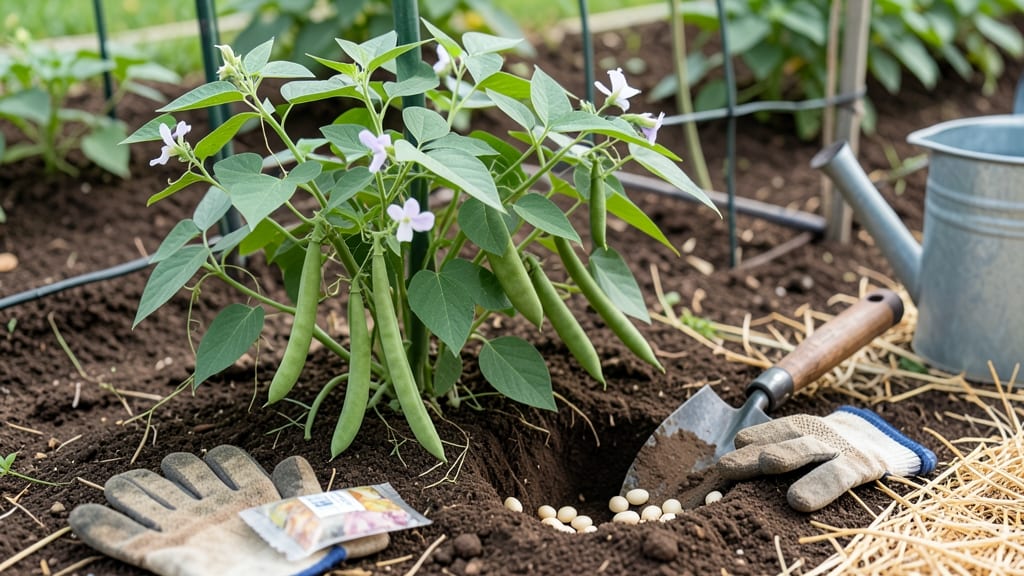
To plant string beans in a garden, start by waiting until the soil warms to at least 60°F after your last frost—usually around April to May in most regions.
String beans are one of the easiest and most rewarding vegetables to grow, yet many gardeners struggle with planting techniques that lead to poor yields—until now. With the right soil, spacing, and sunlight, you can transform your garden into a productive bean patch in just 60 days.
First, choose a sunny spot with well-draining soil—string beans thrive in full sun (6-8 hours daily) and need room to sprawl. Whether you’re growing bush varieties (compact) or pole beans (climbing), proper spacing is key to avoiding overcrowding and disease.
Below, I’ll walk you through every step—from soil prep to watering tips—so you can enjoy a bountiful harvest of crisp, flavorful pods by July or August. No green thumb required!


Step-by-step guide to planting string beans in your garden
String beans are one of the easiest vegetables to grow, but proper planting techniques make all the difference between a meager harvest and a bountiful one. Whether you're growing bush beans or pole beans, following these steps ensures strong germination and healthy growth from the start.
I’ve planted string beans for years and learned that timing, soil prep, and spacing are critical for success.
Before you begin, check your last frost date—string beans thrive in warm soil, so wait until temperatures consistently stay above 60°F (15°C). In most regions, this means planting after mid-April.
If you rush and plant too early, cold soil can delay germination or even kill seeds. Patience here pays off with faster, healthier plants.
Now, let’s get to the actionable steps. Follow this step-by-step guide to plant your string beans like a pro, ensuring optimal conditions for germination and growth.
Pick between bush beans (compact, 1-2 ft tall) or pole beans (vining, 4-6 ft tall). Bush beans are ideal for small gardens or containers, while pole beans save space and produce longer. Select a spot with full sun (6-8 hours daily) and well-draining soil.
Test your soil’s pH (6.0-7.0 ideal). Amend with compost or aged manure to improve fertility and drainage. String beans prefer loose, well-aerated soil. Avoid fresh manure, as it can burn seeds. Work the soil to a depth of 12 inches and remove weeds or debris.
For bush beans, plant seeds 1 inch deep and 3-4 inches apart in rows 18-24 inches apart. For pole beans, use the same depth but space seeds 4-6 inches apart along trellises or supports. Thin seedlings to the correct spacing once they sprout to avoid overcrowding.
Keep the soil consistently moist but not soggy. Water 1 inch per week, aiming for the soil (not leaves) to prevent disease. Use a soaker hose or drip irrigation to deliver water directly to the roots. Mulch with straw or grass clippings to retain moisture and suppress weeds.
If growing pole beans, install trellises, stakes, or cages at planting time. This saves space and makes harvesting easier. Guide vines gently as they grow, ensuring they climb upward. Pole beans can produce 30% more yield than bush beans when supported properly.
Seeds typically sprout in 7-14 days at 60-85°F (15-29°C). Thin seedlings to the correct spacing once they reach 2 inches tall. Remove weaker plants at the base with scissors to avoid disturbing roots. This reduces competition and promotes stronger growth.
Once your string beans are in the ground, focus on consistent care to ensure a productive harvest. Keep an eye out for pests like bean beetles or aphids, and handpick them early to prevent damage.
If you notice yellowing leaves, it could signal overwatering or nutrient deficiency, so adjust your watering or fertilize lightly with a balanced 10-10-10 mix.
Harvest begins about 50-70 days after planting, depending on the variety. Pick pods when they’re 4-6 inches long and
Best soil conditions, sunlight requirements & spacing for string beans
String beans thrive when given the right growing conditions, and understanding their needs can transform your garden from average to abundant. The key to success lies in three critical factors: soil quality, sunlight exposure, and proper spacing.
These elements work together to create an environment where your string beans can flourish, producing tender pods all season long.
For optimal growth, string beans prefer well-draining soil with a slightly acidic to neutral pH range of 6.0 to 7.0. They also love warmth, so planting after the last frost when soil temperatures reach at least 60°F ensures strong germination.
Let’s break down these essential conditions so you can set your plants up for success from day one.
| Factor | Ideal Condition | Why It Matters |
|---|---|---|
| Soil Type | Loamy, well-draining | Prevents root rot and ensures oxygen reaches roots. |
| Soil pH | 6.0 - 7.0 | Encourages nutrient uptake for healthy foliage and pod production. |
| Sunlight Needs | 6-8 hours daily | Maximizes photosynthesis for vigorous growth and higher yields. |
| Spacing (Bush Beans) | 3-4 inches apart | Reduces competition for nutrients and improves air circulation. |
| Spacing (Pole Beans) | 4-6 inches apart | Allows vines to spread and climb trellises efficiently. |
| Row Spacing | 18-24 inches apart | Prevents overcrowding and makes harvesting easier. |
String beans are sun lovers, requiring 6-8 hours of direct sunlight each day to produce their best yields. Plant them in a location where they’ll receive morning sun and afternoon shade if you live in a particularly hot climate.
This balance helps prevent wilting while still providing the energy they need for robust growth.
When it comes to spacing, bush beans and pole beans have different needs. Bush beans should be planted 3-4 inches apart in rows spaced 18-24 inches apart, while pole beans need slightly more room—4-6 inches apart—since they’ll climb trellises or stakes.
Proper spacing also helps reduce the risk of fungal diseases by improving air circulation around the plants.
Don’t overlook the benefits of companion planting. String beans pair well with herbs like basil and marigolds, which can deter pests like Mexican bean beetles. Avoid planting them near onions or garlic, as these can stunt their growth.
By following these guidelines, you’ll create an environment where your string beans can thrive and produce a bountiful harvest all season long.
With the right soil conditions, sunlight exposure, and spacing, your string beans will reward you with tender, flavorful pods that are perfect for fresh eating or preserving. Happy gardening! 🌱