
Plants
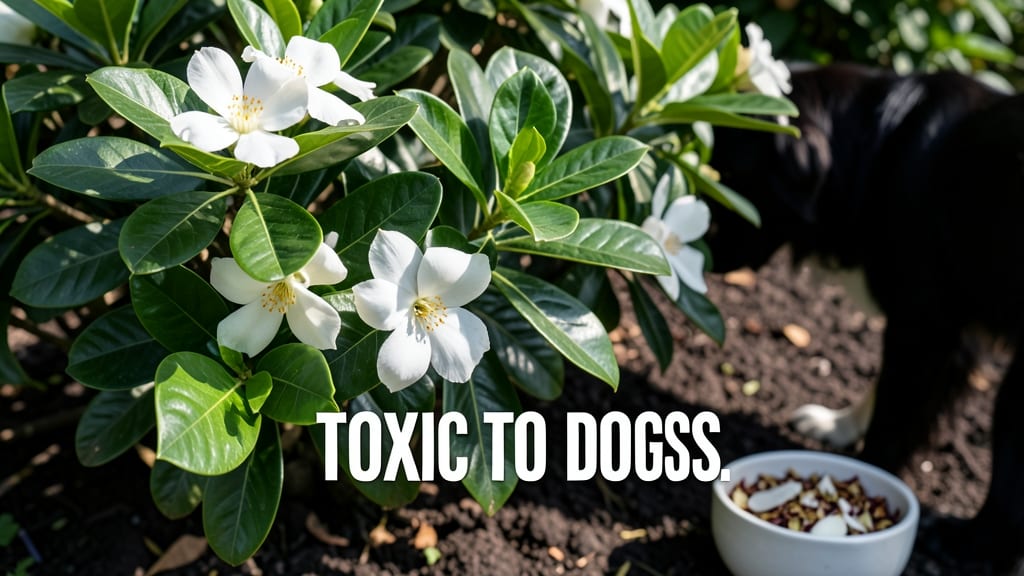
Gardenia plants are poisonous to dogs because their leaves, flowers, and stems contain toxic saponins and other irritants that trigger vomiting, diarrhea, and excessive drooling. If your dog ingests any part of the plant, contact your vet immediately, as symptoms can worsen rapidly.
Gardenia plants contain multiple toxic compounds that affect dogs differently than humans.
The saponins in gardenias create a soapy substance in the stomach that irritates the digestive lining, while other compounds may impact the nervous system. 🌿 Even small amounts of leaves or flowers can cause issues, and dogs are especially vulnerable because their smaller size means they process toxins more intensely.
If you suspect your dog has chewed on gardenia parts, don't wait for severe symptoms—call your vet right away for guidance.
What makes this particularly concerning is that gardenias are common ornamental plants, often placed at eye level where curious pets can easily reach. Many owners don't realize these beautiful flowers pose such a risk until after an incident occurs.
Always keep toxic plants out of reach, and consider creating a pet-safe garden area if you love gardening.
💡 In This Article
- Toxic Compounds in Gardenias: What Makes Them Dangerous for Dogs
- Vet-Approved First Aid: Steps to Take If Your Dog Eats Gardenia
Toxic compounds in gardenias: What makes them dangerous for dogs
Gardenia plants contain multiple toxic compounds that specifically target a dog's digestive and nervous systems. The primary culprits are saponins, which create a soapy foam when mixed with stomach acids, irritating the lining and triggering immediate vomiting.
These compounds are most concentrated in the leaves and stems, but even the fragrant white flowers contain lower levels that can still cause problems. 🌿 For comparison, a 10-pound dog might experience symptoms after ingesting just one leaf, while larger dogs may need to consume more before showing signs.
The saponins work by disrupting cell membranes in the digestive tract, leading to inflammation and fluid loss—this explains why diarrhea often appears alongside vomiting. Additionally, gardenias contain alkaloids and cyanogenic glycosides in smaller amounts, which can affect the nervous system, causing lethargy or even seizures in severe cases.
The combination of these compounds makes gardenias particularly dangerous compared to other ornamental plants, which typically contain just one type of toxin.
Dogs are especially vulnerable because their smaller size means toxins have a more concentrated effect. A human would need to consume far more gardenia material to experience similar symptoms, but a 20-pound dog might show signs after eating just half a leaf.
The plant's sweet scent also attracts curious pups, making accidental ingestion more likely. 🐾 What's concerning is that symptoms can appear within 30 minutes to 2 hours after ingestion, with vomiting and drooling being the first warning signs.
Another critical factor is the plant's distribution of toxins. While all parts are dangerous, the leaves contain the highest concentration of saponins, followed by the stems. The flowers, though less toxic, still pose a risk because their delicate petals are easily chewed and swallowed.
This means even a dog that nibbles on fallen blooms could experience mild to moderate symptoms. The plant's widespread use in landscaping and indoor decor further increases the risk for pet owners.
To put this into perspective, gardenia toxicity is classified as moderate to severe by veterinary toxicologists. While not typically fatal with prompt treatment, the rapid onset of symptoms means delays can lead to dehydration or secondary complications.
The ASPCA lists gardenias among their top toxic plants for pets, emphasizing the need for immediate action if ingestion occurs. 🚨 Understanding these specific compounds helps explain why gardenias are so much more dangerous than many other common houseplants.