
Pests and Diseases
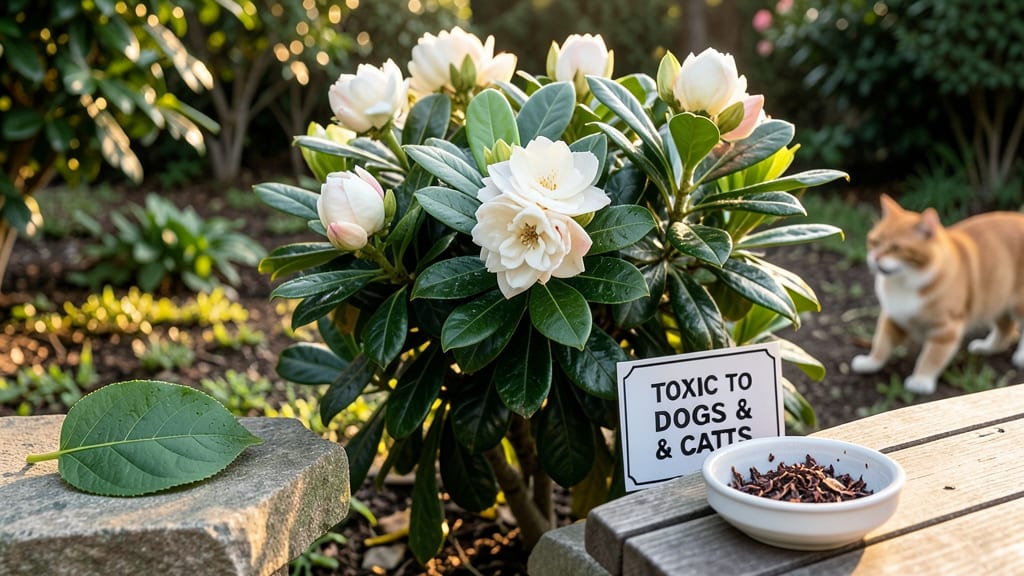
Gardenias are poisonous to dogs and cats because their leaves, flowers, and stems contain harmful compounds like glycosides and saponins, which can trigger vomiting, diarrhea, and excessive drooling if eaten. Always keep pets away from gardenia plants and contact a vet immediately if you suspect poisoning.
Gardenias contain natural toxins that can cause serious health issues for pets. 🐾 The glycosides in these plants disrupt digestion and may lead to more severe symptoms like weakness or tremors if ingested in large amounts.
Even a small nibble on a leaf or flower can be dangerous, so pet owners should avoid keeping gardenias in homes with curious animals. If you love the fragrance, consider pet-safe alternatives like jasmine or roses instead.
For extra safety, place gardenia plants in hanging baskets or elevated spots where pets can't reach them. If accidental ingestion happens, rinse your pet's mouth gently and call your vet or a pet poison hotline right away. Never wait to see if symptoms appear—early intervention makes all the difference.
💡 In This Article
- Toxic Compounds in Gardenias and Their Effects on Pets
- Safe Gardenia Care Around Dogs and Cats: Prevention Tips
Toxic compounds in gardenias and their effects on pets
Gardenias contain two primary toxic compounds that pose risks to pets: glycosides and saponins. Glycosides, like those found in gardenia leaves and stems, interfere with cellular respiration by disrupting the body's ability to process oxygen efficiently.
This can lead to symptoms like excessive drooling, vomiting, and lethargy within hours of ingestion. The saponins, meanwhile, act as natural detergents that irritate the digestive tract, causing inflammation and further digestive upset.
The concentration of these toxins varies across plant parts, with leaves containing the highest levels.
A single leaf, roughly 3-4 inches long, can contain enough glycosides to trigger symptoms in a small dog or cat. 🌿 For a 10-pound dog, consuming even a small amount of gardenia foliage might lead to noticeable distress, while larger pets may show milder reactions.
The severity depends on the pet's size, sensitivity, and how much they ingest—some pets may experience only mild drooling, while others could develop more severe symptoms like tremors or weakness.
These compounds don't just affect the digestive system; they can also impact the nervous system. Glycosides may cause neurological symptoms such as disorientation or seizures in extreme cases, particularly if a pet ingests a large quantity.
The timing of symptoms varies—some pets show signs within 30 minutes to 2 hours, while others may take up to 12 hours to exhibit reactions. This delay can make it challenging to connect the symptoms to gardenia exposure if you're not aware of the plant's toxicity.
What makes gardenias particularly dangerous is their appealing fragrance and glossy appearance, which can attract curious pets. The sweet scent of gardenia flowers might tempt a cat to nibble, or a dog might chew on a fallen leaf out of boredom.
Unlike some toxic plants that have bitter tastes, gardenias don't immediately deter pets from ingesting them, increasing the risk of accidental poisoning. Even pet-safe gardenia alternatives, like certain varieties bred for low toxicity, can still pose risks if consumed in large amounts.
If you suspect your pet has ingested gardenia, don't wait for symptoms to appear.
Contact your veterinarian or a pet poison hotline immediately, as early intervention can prevent complications. 🚨 The ASPCA Animal Poison Control Center recommends having the plant's name and the estimated amount ingested ready when calling, as this helps vets provide targeted advice.
In severe cases, activated charcoal or IV fluids may be necessary to flush the toxins from the system, so speed is critical.
The good news is that gardenias aren't considered highly toxic like some other plants (e.g., lilies or foxglove), but their effects can still be serious. Pet owners who love gardenias can still enjoy them safely by taking precautions—like placing them out of reach or opting for pet-friendly alternatives.
Understanding the science behind the toxicity helps you recognize the risks and act quickly if an accident occurs.