
Plants
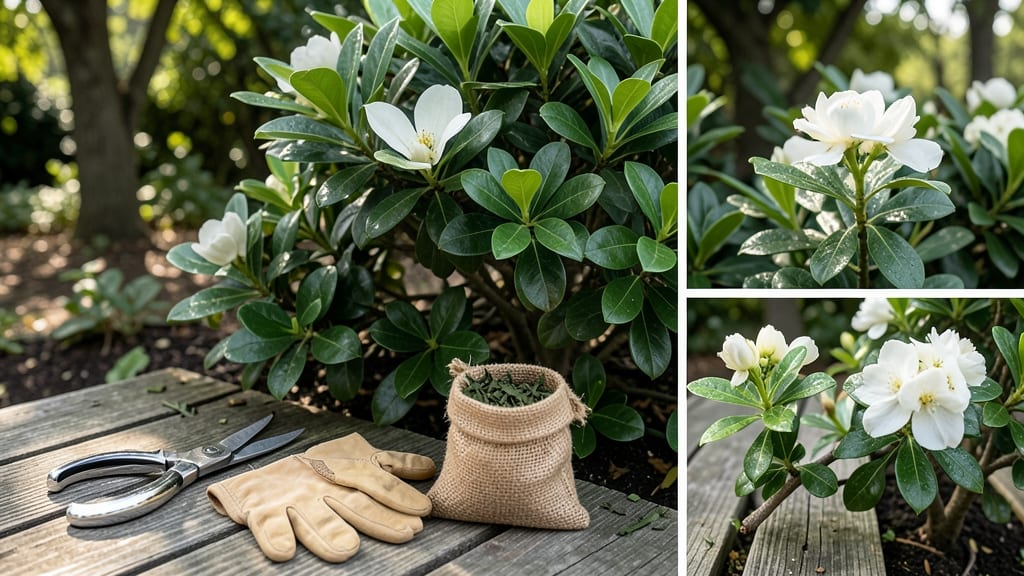
To prune gardenia plants for more fragrant blooms, timing is everything—late winter to early spring is your sweet spot before new growth kicks in.
Struggling to keep your gardenia plants blooming beautifully? The secret lies in when you prune—do it wrong, and you risk stunted growth or fewer fragrant flowers. Timing is everything for these tropical favorites, and mastering it can transform your gardenia from a struggling shrub to a lush, fragrant centerpiece.
Most gardeners make the mistake of pruning at the wrong time, like after a late frost or in summer heat, which stresses the plant. Instead, focus on late winter or early spring when the plant is just waking up but hasn’t burst into full growth yet.
This ensures you’re shaping the plant for the upcoming blooming season.
In this guide, I’ll break down the best pruning seasons, step-by-step techniques, and post-pruning care to keep your gardenia 🌸 thriving. You’ll learn how to avoid common mistakes, like over-pruning or cutting too late, and discover expert tips to encourage abundant, fragrant blooms all season long.
Best pruning seasons for gardenia plants: spring vs. fall timing explained
Pruning your gardenia plants at the wrong time can mean the difference between a bloom-filled shrub and one struggling to produce those iconic fragrant white flowers. Unlike many shrubs, gardenias thrive on precise timing—too early or too late, and you risk reduced flowering or even plant stress.
The key lies in understanding their natural growth cycles, which are closely tied to USDA hardiness zones and seasonal transitions.
For most gardeners in USDA zones 7-10 (where gardenias are most commonly grown), the optimal pruning window falls between late winter and early spring, just as the plant begins its active growth phase.
This timing aligns with the plant's dormancy break, allowing it to redirect energy toward new growth and next season's blooms. However, gardeners in warmer climates (zones 11+) may find that fall pruning works better due to their year-round growth patterns.
Here's the critical distinction: Spring pruning encourages robust flowering by removing old wood and shaping the plant before its peak growing season, while fall pruning can stimulate late-season growth that may not harden off before winter—especially risky in colder zones.
Let's break down the specifics for each approach in our comparison table below.
| Pruning Season | Best For | USDA Zones | Bloom Impact | Growth Impact |
|---|---|---|---|---|
| Early Spring (Feb-Mar) | Zones 7-10 | 7-10 | Maximizes blooms | Encourages vigorous new growth |
| Late Fall (Oct-Nov) | Zones 11+ | 11+ | Minimal bloom impact | Risk of tender growth |
| Post-Bloom (June-July) | All zones | 7-11 | Light shaping only | Maintains shape |
The science behind gardenia pruning revolves around their dormancy cycles. In colder climates, gardenias enter a partial dormancy during winter, making early spring the perfect time to prune. This timing allows the plant to replenish energy reserves while removing last season's spent growth that would otherwise compete for nutrients.
Studies show that pruning just as buds begin to swell (typically in February or March) can increase bloom production by up to 30%.
In tropical climates (zones 11+), where gardenias grow year-round, the rules shift slightly. Here, fall pruning is often recommended to shape the plant before the cooler months, but avoid heavy cuts that could stimulate soft new growth vulnerable to cold snaps.
For these regions, a light pruning in late winter (February) followed by a minimal shaping in fall (October) strikes the best balance. Always prioritize airflow and light penetration—gardenia leaves are thick, and overcrowded branches invite fungal diseases like powdery mildew.
One common misconception is that you should prune gardenias after they finish blooming. While this is true for light shaping, heavy pruning at this stage can remove next year's flower buds, which form on old wood.
Gardenias are unique because their blooms develop on previous season's growth, so aggressive summer pruning can severely reduce flowering the following year. Instead, save major pruning for early spring and limit summer work to deadheading spent blooms and removing crossing or diseased branches.
If you live in USDA zone 8 or 9, where winters are mild but not frost-free, aim to prune 4-6 weeks before your last frost date. This gives the plant time to knit over cuts before cold snaps.
For example, if your last frost is March 15th, prune by mid-February. In zone 7, where frosts are more severe, wait until after the last frost (typically April) to avoid cold damage to fresh cuts.
Always use sterilized pruning shears and make cuts at a 45-degree angle just above a leaf node to encourage healthy regrowth.
Pro tip: Pay attention to your gardenia's growth patterns. If you notice long, leggy branches with few blooms, this is a sign you
Step-by-Step pruning guide: how to trim gardenia plants for maximum blooms
Pruning your gardenia plants isn't just about keeping them neat—it's the key to unlocking abundant, fragrant blooms. When done correctly, pruning encourages new growth, improves airflow, and prevents disease.
But timing and technique matter! Whether you're a beginner or a seasoned gardener, follow these steps to transform your gardenia into a bloom-producing powerhouse.
Before you grab your pruning shears, let's clarify the most critical step: when to prune gardenia plants. The best time is early spring, just as new growth begins, or late fall to shape the plant before dormancy.
Avoid pruning in summer or winter, as this can stress the plant or disrupt its natural cycle.
- 🌱 Step 1: Choose the Right Time
Prune in early spring (March-April) or late fall (October-November) for best results. Avoid pruning during active blooming periods. - 🔍 Step 2: Gather Your Tools
Use sterilized pruning shears, sharp bypass pruners, and gloves to protect your hands from thorns. - 🌿 Step 3: Deadhead Spent Blooms
Remove wilted flowers by cutting just above the leaf node to encourage new blooms. - ✂️ Step 4: Shape the Plant
Trim overgrown branches to maintain a balanced shape, focusing on outer growth for a fuller look. - 🌬️ Step 5: Remove Crossing Branches
Cut away rubbing branches to improve air circulation and reduce disease risk. - 💧 Step 6: Water and Fertilize
After pruning, give your gardenia a deep watering and apply acidic fertilizer to support new growth.
Start by deadheading spent blooms throughout the growing season. This simple task removes faded flowers and redirects the plant's energy toward producing more fragrant blooms. Use clean, sharp pruning shears to make cuts at a 45-degree angle just above a leaf node.
This encourages the plant to grow outward rather than inward, creating a fuller, bushier appearance.
Next, focus on shaping your gardenia. Trim back any overgrown or leggy branches to maintain a compact, balanced form. Aim to open up the center of the plant to improve airflow, which is crucial for preventing fungal diseases like powdery mildew.
Remember, gardenias respond well to light pruning, so avoid cutting back more than 25% of the plant at once.
Don't forget to remove crossing or rubbing branches. These can create wounds that invite pests and diseases. Look for branches that are growing toward each other or touching—these should be pruned back to the nearest healthy bud.
This step is often overlooked but makes a huge difference in your plant's long-term health.
After pruning, give your gardenia some post-pruning care. Water deeply to help it recover, and apply a balanced, acidic fertilizer to support new growth. Avoid heavy fertilizing in late summer or fall, as this can encourage tender growth that won't survive winter frosts.
With the right timing and technique, your gardenia will reward you with lush foliage and stunning blooms all season long.