
Orchid Care
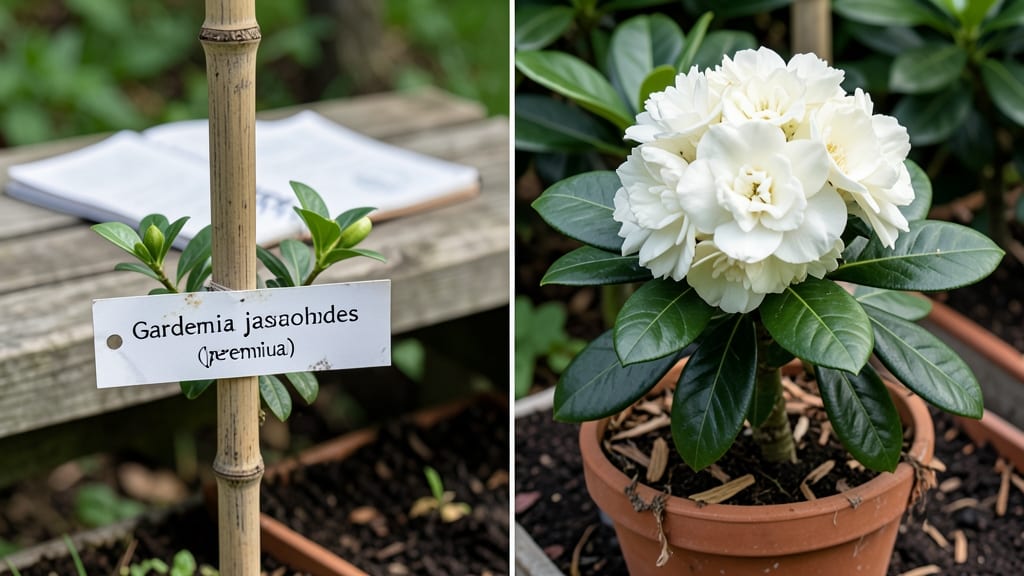
Whether gardenias are perennials or annuals depends entirely on your climate: they thrive as perennials in frost-free zones (USDA 7-11) but die back to the ground in colder regions, forcing gardeners to treat them as annuals or overwinter them indoors. Their glossy foliage and intoxicating blooms only persist year-round where winter temperatures never dip below freezing.
Gardenias naturally behave as perennials in their native tropical and subtropical habitats, where they enjoy consistent warmth and humidity. 🌿 In colder climates, however, their delicate foliage and blooms can't survive frost—temperatures below 30°F will kill them to the ground.
That's why gardeners in USDA Zones 1-6 often grow them as annuals or bring potted plants indoors before winter. The key difference lies in their hardiness: while gardenias can regrow from roots in warmer zones, they'll never recover from freezing in colder areas without protection.
For those in marginal climates, the solution is strategic overwintering. I've found that moving potted gardenias to a garage or basement with 50-60°F temperatures and minimal light keeps them alive until spring.
Prune back any dead growth in early spring and gradually reintroduce them to outdoor conditions—this mimics their natural dormancy cycle while preserving their perennial nature.
💡 In This Article
- Gardenia Growth Habits in Different Climates
- Best Practices for Year-Round Gardenia Care
Gardenia growth habits in different climates
Gardenias are naturally perennial shrubs in their native tropical and subtropical environments, where they experience consistent warmth and humidity year-round. In frost-free zones like Florida or Southern California (USDA Zones 9-11), they grow continuously, producing glossy evergreen leaves and fragrant white blooms from spring through fall.
The key factor is their inability to tolerate freezing temperatures—any exposure to 28°F or below will kill their delicate foliage and flowers, making them behave like annuals in colder climates. 🌱
Their growth habit shifts dramatically in colder regions. In USDA Zones 7-8, gardenias can survive mild winters if protected, but they'll lose their leaves and enter a dormant state. Unlike true perennials that regrow from roots, gardenias in these zones often die back completely unless given shelter.
The difference lies in their root system: while gardenias have fibrous roots that spread widely, they lack the hardy rootstock found in cold-hardy plants like hydrangeas. This makes them vulnerable to frost damage down to the ground level.
In colder climates (Zones 1-6), gardenias are typically grown as potted annuals or overwintered indoors. Their natural lifecycle is interrupted—they bloom profusely in summer but won't survive winter outdoors. What most people don't realize is that even in colder zones, gardenias can be preserved as perennials with proper care.
The secret is maintaining soil temperatures above 50°F during winter months, which prevents root damage. This requires either heavy mulching or container growing with indoor overwintering. 🌡️
Seasonal behavior also differs by climate. In frost-free zones, gardenias grow steadily year-round with occasional blooming cycles triggered by consistent warmth. In colder regions, they experience a forced dormancy when temperatures drop, similar to how camellias behave.
The critical threshold is 32°F: any frost will cause leaf drop, and prolonged freezing will kill the plant entirely. This is why gardeners in Zones 7-8 often plant them near south-facing walls or use frost blankets to extend their growing season.
Here's what happens at the cellular level: frost causes ice crystals to form in gardenia cells, rupturing their membranes. The plant's waxy leaf coating (which normally protects against moisture loss) becomes ineffective against freezing temperatures.
In warmer climates, this protective coating helps maintain moisture and prevents the plant from drying out during dry seasons. The contrast is striking—where gardenias thrive as lush perennials in Zones 9-11, they become fragile annuals in colder areas without intervention. 🌿
Consider this comparison: a gardenia in Miami (Zone 10) might reach 6-10 feet tall with minimal care, while one in Chicago (Zone 5) would need container growing and winter protection to survive at all. The plant's genetics haven't changed—what's different is how climate interacts with its physiological needs.
In warmer zones, gardenias can focus energy on growth and flowering, while in colder zones, survival becomes the primary concern. This fundamental difference explains why gardeners in different regions develop such varied approaches to growing them.