Fertilization
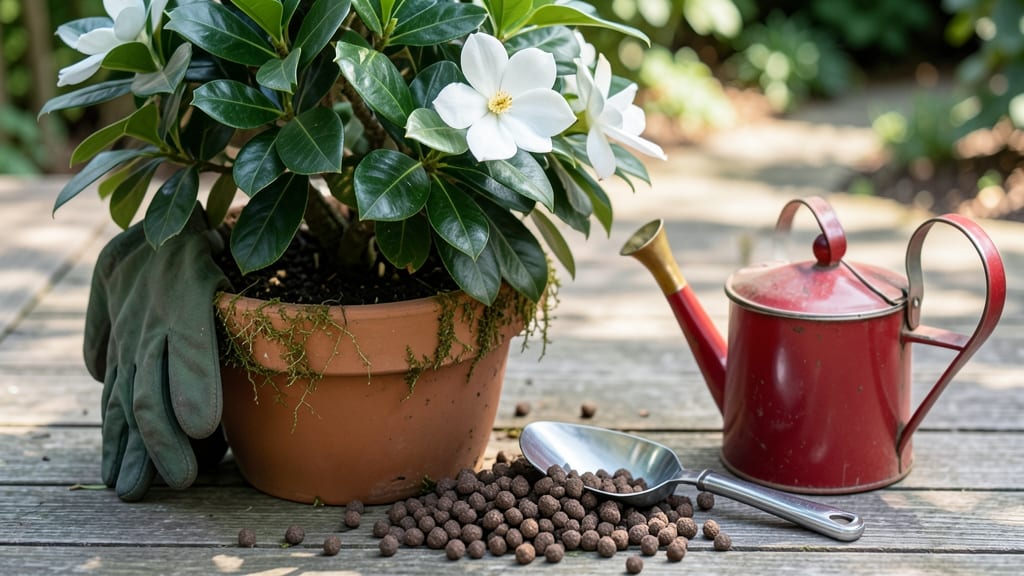
Fertilizing gardenias in Florida at the right time—just before blooming and again in early fall—is the secret to year-round fragrance and lush growth.
Florida’s warm climate lets gardenias bloom nearly year-round—but without the right fertilization timing, your plants may produce sparse, weak flowers. Mastering the perfect schedule unlocks vibrant blooms and lush foliage, even in Florida’s humid heat.
Most gardeners overlook the seasonal shifts that affect nutrient needs, like the heavier feeding before spring blooms or the lighter touch needed in summer’s heat. Get this wrong, and you’ll end up with yellowing leaves or no flowers at all.
Here’s the exact schedule to follow, plus how to spot when your gardenia is begging for (or resisting) more food—and the best fertilizers to use in Florida’s acidic soil.
Best fertilization schedule for Florida gardenias by season
Florida’s year-round growing season means your gardenias can bloom almost continuously—but only if you feed them correctly. Unlike cooler climates, Florida’s humidity and heat demand a seasonal fertilization approach to prevent stress.
Too much fertilizer in summer can burn roots, while skipping feedings in spring may stunt blooms. Let’s break down the perfect monthly schedule tailored to Florida’s unique conditions.
Gardenia plants thrive on acidic soil (pH 5.0–6.0) and respond best to balanced, slow-release fertilizers with a 6-6-6 or 8-3-9 NPK ratio. Florida’s wet summers can leach nutrients faster, so we’ll adjust feeding times to avoid runoff.
Organic options like fish emulsion or composted pine bark work well, but synthetic blends designed for azaleas and camellias are also effective.
Key rule: Always fertilize in the early morning after watering to prevent root burn. Florida’s afternoon humidity can also increase fungal risks, so avoid late-day applications. Let’s dive into the month-by-month breakdown that keeps your gardenias lush and fragrant year-round.
Spring is the most critical feeding window for gardenias in Florida. Start in March with a balanced 6-6-6 fertilizer to kickstart growth after winter’s mild slowdown. By April, switch to slow-release granules to provide steady nutrients as buds form.
Florida’s spring rains can dilute soil nutrients, so apply fertilizer in the early morning when plants are actively absorbing water.
Summer demands caution—heat stress reduces nutrient uptake, and over-fertilizing can burn roots. In June and July, opt for light organic feeds like fish emulsion every 8–10 weeks.
Skip feeding entirely in August to let roots recover. Florida’s humidity spikes in summer also increase fungal risks, so always water at the base of the plant rather than overhead.
Fall is your second prime feeding window. By September, gardenias are gearing up for another bloom cycle, so reintroduce a higher-phosphorus fertilizer (8-3-9) to encourage flowering. Add composted pine bark in
Signs your gardenia needs fertilizer (and when to avoid it)
Your gardenias may be silently screaming for nutrients if you’ve noticed yellowing leaves between veins or slow, sparse blooming. These are classic signs your plant is nutrient-deficient, especially in Florida’s fast-draining soils.
Gardenias thrive on acid-loving plant food, and when they don’t get enough, their growth stalls and foliage dulls—even in our humid climate.
Another red flag is leaf drop or stunted new growth, which often means your gardenia isn’t getting the phosphorus and nitrogen it needs for vibrant blooms.
But here’s the catch: Florida’s wet seasons (June–September) can trick you into over-fertilizing, thinking your plant needs extra food when it’s actually stressed by excess salts.
⚠️ WARNING: When NOT to Fertilize Gardenias in Florida
Never fertilize during Florida’s rainy season (June–September). The excess moisture leaches nutrients from the soil, and over-fertilizing leads to root burn or fungal issues. Instead, wait until dry spells in spring (March–May) or fall (October–November) for best results. Yellow leaf edges after fertilizing? You’ve overdone it—flush the soil with water immediately.
Pay close attention to new growth color: healthy gardenia leaves are deep green and glossy. If they’re pale or purple-tinged, your plant is starving for nitrogen. Meanwhile, brown leaf tips often signal over-fertilization—a common mistake in Florida’s high-humidity zones.
The key is balanced feeding with an acid-loving fertilizer (like a 6-6-6 blend) every 6–8 weeks during active growth.
For container-grown gardenias, watch for roots circling the pot or salty crusts on soil—both signs of over-fertilization. In Florida’s heat, containers dry out faster, so water thoroughly before adding fertilizer to avoid chemical buildup.
Pro tip: Test your soil pH (aim for 5.0–6.0)—gardenias won’t absorb nutrients well in alkaline soil.
If your gardenia’s buds drop before opening, it’s a phosphorus deficiency, often caused by under-fertilizing or poor root health. Boost blooms by side-dressing with compost in early spring and using a low-nitrogen, high-phosphorus fertilizer (like 8-3-9) when buds form.
But remember: Florida’s summer heat can stress plants, so reduce feeding in July–August unless you’re seeing clear deficiency signs.
Finally, smell the leaves: healthy gardenias have a sweet, citrusy scent. A sour or chemical odor means your fertilizer is too strong or imbalanced. Stick to slow-release fertilizers or organic options like fish emulsion to avoid shocking your plant.
With the right timing and Florida-adapted care, your gardenias will reward you with year-round fragrance and lush blooms.