
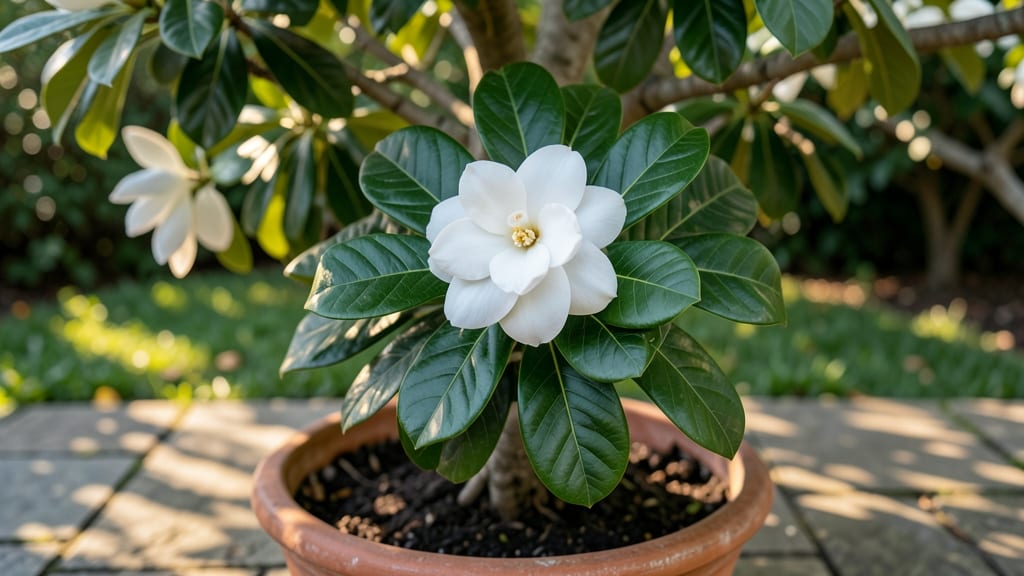
How Big Do Gardenia Plants Get: Mature Size Chart by Variety

Plants

How Big Do Gardenia Plants Get: Mature Size Chart by Variety

Gardenia plants grow anywhere from 1 to 6 feet tall, depending on the variety, with spreads that can stretch up to 5 feet wide—so your garden layout depends more on the type than you might think.

Picture this: a Kleim’s Hardy gardenia 🌸 hugging your patio at just 3 feet, while a Radicans variety towers over your fence at 6 feet. That’s the difference between a compact shrub and a small tree—both stunning, but with very different space needs.

If you’re planning your garden, spacing matters. Dwarf varieties thrive in containers or tight borders, while standard types need 5–10 feet of room to avoid crowding. And yes, even the "small" ones can outgrow their welcome if you don’t account for their mature spread.

Below, I’ll break down the exact sizes for 12+ popular gardenias, how to prune for control, and why some varieties act more like trees than shrubs—so you can pick the perfect fit for your space.

Gardenia plant mature size by popular variety (with height & spread guide)

If you're dreaming of adding fragrant gardenias to your garden, you'll want to plan for their mature size first. These tropical favorites range from compact shrubs to tall trees, and choosing the right variety depends on your space.

Some varieties stay under 3 feet, while others can reach 15 feet at maturity. Let's explore the most popular gardenia varieties and their size expectations to help you design your perfect garden layout.

Understanding gardenia sizes is key to avoiding overcrowding and ensuring each plant gets the sunlight, water, and air circulation it needs. Dwarf varieties are ideal for containers or small gardens, while larger types thrive in spacious landscapes or as focal points.

Below, you'll find a detailed comparison of 12+ gardenia varieties, including their height, spread, and growth habits to help you make an informed choice.

Variety Mature Height Mature Spread Growth Habit Best For
Kleim’s Hardy 3–5 ft 4–6 ft Bushy shrub Cold-hardy gardens
Radicans 6–10 ft 8–12 ft Climbing shrub Trellises, fences
Fortuniana 10–15 ft 10–15 ft Small tree Large landscapes
Cape Jasmine 1–2 ft 2–3 ft Compact shrub Containers, small gardens
Veitchii 4–6 ft 6–8 ft Upright shrub Hedges, borders
Mystery 2–3 ft 3–4 ft Dwarf shrub Beds, containers
Augusta 5–8 ft 6–10 ft Bushy shrub Privacy screens
Kleim’s Blush 3–5 ft 4–6 ft Bushy

How gardenia size affects care: pruning, spacing, and container needs

Gardenia plants grow at dramatically different rates, and their mature size directly impacts how you care for them. A 3-foot dwarf gardenia needs completely different spacing, pruning, and container considerations than a 10-foot standard variety.

Understanding these differences helps you avoid overcrowding, poor airflow, and competition for nutrients—all of which can stress your plants and reduce blooms.

For example, Kleim’s Hardy gardenia, a popular cold-hardy variety, can reach 6 feet tall and wide if left unpruned. Meanwhile, compact varieties like 'Radicans' stay under 3 feet tall, making them perfect for containers or small gardens.

These size differences also affect sunlight exposure, watering frequency, and even winter protection needs.

Gardenia Size: Care Considerations

Large Gardenias (4–10 ft)
  • Spacing: 8–15 ft apart
  • Pruning: Heavy annual pruning
  • Containers: Not suitable
  • Sunlight: Needs partial shade
Medium Gardenias (3–5 ft)
  • Spacing: 5–8 ft apart
  • Pruning: Light shaping pruning
  • Containers: Large pots only
  • Sunlight: Morning sun
Dwarf Gardenias (1–3 ft)
  • Spacing: 3–5 ft apart
  • Pruning: Minimal pruning
  • Containers: Ideal for pots
  • Sunlight: Bright indirect light

Proper spacing between gardenias is critical to prevent disease and encourage strong growth. Large varieties like 'Veitchii' or 'Fortuniana' should be planted 10–15 feet apart to allow for their expansive root systems and wide canopies.

If you’re working with a small garden, opt for dwarf varieties like 'Radicans', which thrive in 3–5 feet of space and can even be grown in 15–20 gallon containers.

Container gardening is a great solution for compact gardenias, but it requires careful planning. Use pots with drainage holes and a minimum 12-inch depth to accommodate roots.

Larger containers (like 24-inch pots) work well for medium-sized varieties, but remember: the bigger the pot, the more water and fertilizer you’ll need to maintain. Always use a well-draining potting mix to prevent root rot, a common issue with gardenias in containers.

Size also affects pruning needs. Large gardenias benefit from annual pruning in late winter to maintain shape and encourage blooming. Use clean, sharp pruners to remove dead or overcrowded branches, cutting just above a leaf node.

For dwarf varieties, minimal pruning is usually enough—just trim back any leggy growth to keep them compact. Always sterilize your pruners between cuts to prevent the spread of disease.

Finally, consider how size impacts winter protection. Large gardenias in colder climates (USDA Zones 7–9) may need mulch or burlap wraps to protect their roots. Dwarf varieties in containers can be moved indoors or wrapped in frost cloth for extra insulation.

Proper winter care ensures your gardenias return stronger and more vibrant in spring, ready to reward you with their signature intoxicating fragrance.

★★★★★4.6(10 reviews)
Categories Plants