
Pests
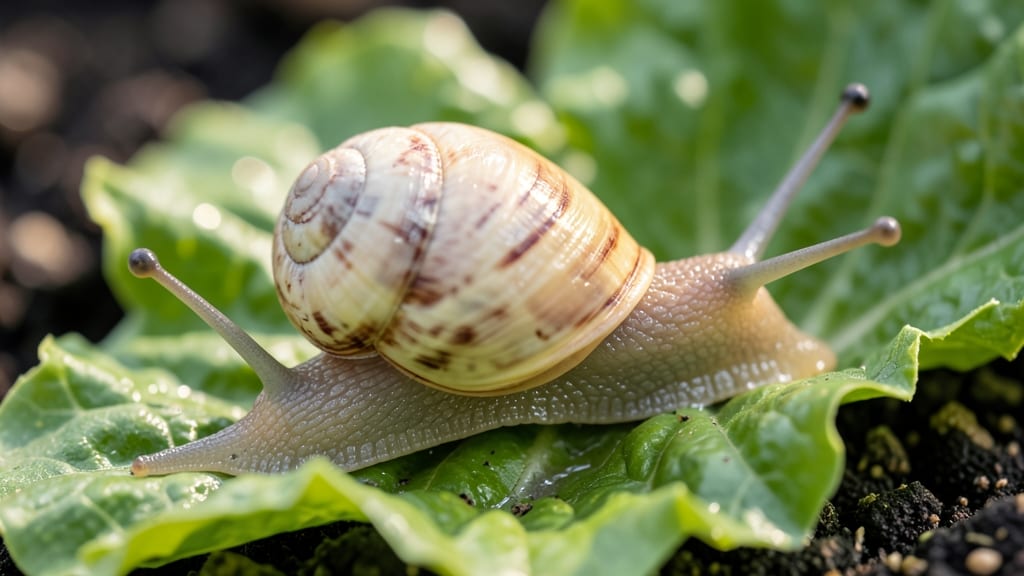
Are snails bad for your garden? They're not always—these slimy creatures help break down organic debris and overripe fruit, but they'll happily munch on tender seedlings, lettuce leaves, and hostas. Their damage depends on how many are in your yard and which plants they're targeting.
Snails actually play a role in your garden's ecosystem by recycling nutrients through their feeding on decaying plant material. 🐌 The real concern comes when their numbers grow, as they can turn your prized veggies into a buffet.
I've noticed they particularly love young, soft plants like basil and marigolds, while mature perennials often escape their attention. The key is monitoring their populations—what might be a few harmless helpers can quickly become a garden menace if left unchecked.
What's interesting is how their behavior changes with seasons. During damp spring nights, they become especially active, which is when most damage occurs. This is why many gardeners focus their control efforts during these peak times rather than trying to eliminate them year-round.
💡 In This Article
- How Snails Affect Different Plants in Your Garden
- Natural Snail Control Methods for a Balanced Garden
How snails affect different plants in your garden
Snails actually serve as nature's cleanup crew by consuming decaying organic matter, which they process through their digestive systems to break down into nutrient-rich compost. 🌱 Their saliva contains enzymes that accelerate decomposition, effectively turning fallen leaves and rotting fruit into usable plant food.
This is why you might find them thriving in compost piles or under mulch—it's a natural recycling service for your garden.
The real damage occurs when snails shift from decomposing matter to living plants. Their preferred menu includes tender young leaves, stems, and fruits with soft textures. Vegetables like lettuce, spinach, and kale are particularly vulnerable because their broad leaves provide easy access.
Studies show that snails can consume up to 0.5 square inches of leaf per night, which may seem small but adds up quickly in a garden bed. 🐌 Unlike their slug cousins, snails tend to focus on larger plants rather than delicate seedlings, though they'll still nibble on anything soft enough.
Herbs like basil and dill often become snail magnets because their aromatic oils don't deter these pests. The snails' feeding patterns create distinctive signs: irregular holes with smooth edges (they use their tongues to scrape leaves) and silvery slime trails that glisten when damp.
What's fascinating is how their behavior changes with plant maturity—young, succulent growth is their favorite, while woody stems and mature leaves are usually left alone.
Interestingly, snails avoid certain plants entirely. Strong-smelling herbs like rosemary, thyme, and marigolds typically remain untouched due to their natural repellent compounds. Even some vegetables, like onions and garlic, contain sulfur compounds that snails find unappealing.
This selectivity means you can strategically place these plants as natural barriers around your garden's perimeter to create snail-free zones.
Their impact also varies by season. During warm, humid conditions, snails become most active at night, leaving behind telltale feeding damage by morning. In drier periods, they retreat into shaded areas or burrow into soil to conserve moisture.
This seasonal pattern explains why gardeners often see more damage in spring and fall when moisture levels are ideal for snail activity.
What most people don't realize is how snails contribute to soil health. Their waste contains valuable nitrogen and phosphorus that benefit surrounding plants. However, this benefit only occurs when their populations are in balance.
When numbers explode—often due to excessive moisture or lack of predators—they can quickly transform from helpful decomposers into destructive pests. 🌿 The key is maintaining that ecological balance in your garden ecosystem.