
Container Gardens
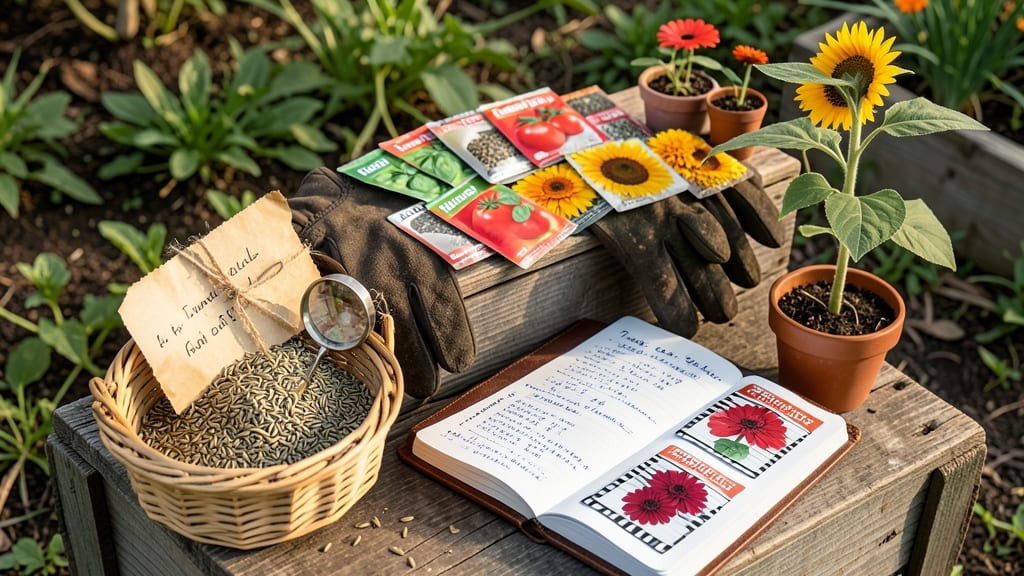
Trading seeds in Grow a Garden is possible through the in-game market, but you must follow strict rules: use only the official trading system, confirm seed quality before swapping, and comply with platform policies to prevent account restrictions.
Seed trading in this game isn't just about swapping—it's about strategy.
The in-game market acts as a regulated hub where you can exchange seeds for rare varieties, but scammers often exploit players by offering low-quality or duplicate seeds. 🌱 I always recommend double-checking a trader's reputation before committing to a swap, especially for high-value seeds like heirloom tomatoes or exotic flowers.
The game's policies exist to protect both sides, so ignoring them risks losing access to future trades entirely.
One pro tip: timing matters. Rare seeds often appear during seasonal events, so keeping an eye on the in-game calendar helps you capitalize on limited-time opportunities. Plus, some seeds can't be traded at all—like those from special quests—so always verify before listing yours for trade.
💡 In This Article
- Grow a Garden Seed Trading Rules Explained
- Best Practices for Safe Seed Swaps in Grow a Garden
Grow a Garden seed trading rules explained
The in-game market in Grow a Garden operates like a digital seed exchange, but with strict protocols to maintain fairness. You can only trade seeds through the official platform—third-party forums or external sites are banned and risk account suspension.
The system uses a reputation score, which starts at zero and improves with successful trades. Each trade contributes to your profile, making it easier to secure high-value seeds later. 🌱
Before trading, the game verifies seed quality through a scanning system. Seeds must be fully mature, free of duplicates, and labeled correctly. Rare varieties like Black Diamond Tomatoes or Moonflower Seeds require extra authentication, often involving in-game inspectors.
Attempting to trade duplicates or unripe seeds triggers a penalty, such as a temporary trade ban or seed confiscation. The game’s AI also flags suspicious patterns, like rapid seed exchanges in short periods.
Understanding restrictions is key—some seeds are locked behind quests or seasonal events. For example, Winter Melon Seeds only appear during the Frost Festival and can’t be traded outside that window. Violating these rules, such as selling restricted seeds early, results in immediate bans.
Always check the in-game trading FAQ or support chat for updates on banned items, as policies can change with updates.
Timing plays a role too. The in-game market updates every 24 hours, so listing seeds late in the cycle may mean they don’t appear in tomorrow’s trade queue. Pro players set reminders for the 6 PM server time cutoff to maximize visibility.
Additionally, rare seeds often sell out fast—monitoring the "Hot Seeds" section helps you act quickly before they disappear.
Scams are another risk. Fake traders may offer seeds that don’t exist or deliver duplicates. Always review a trader’s profile for completed transactions and avoid deals with 0 reputation.
If a trade seems too good to be true—like getting 5 rare seeds for 1 common one—it’s likely a scam. The game’s dispute system lets you report fraudulent trades, but you must act within 48 hours of the swap.
Finally, the game tracks your inventory for balance. Trading too many seeds at once can trigger red flags, so spread out high-value swaps. For instance, if you’re trading 10 rare seeds in a single transaction, the system may flag it as suspicious.
Breaking trades into smaller batches keeps everything above board.