
Flowers
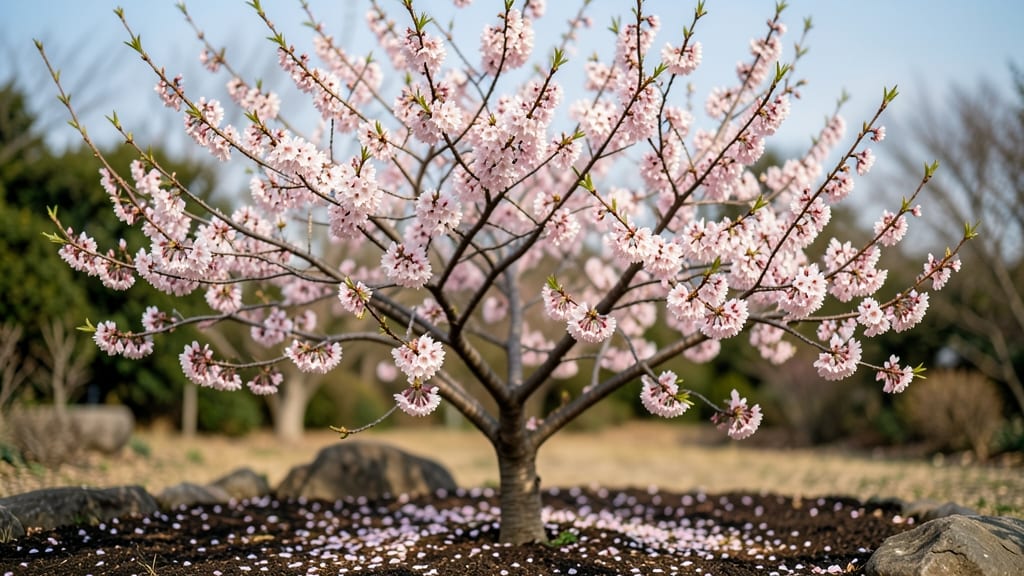
Yes, you can still grow cherry blossoms in your garden through modern varieties like dwarf selections, grafted trees, or container-friendly options such as 'Stella Compact' or 'Royal Burgundy,' designed to thrive in limited spaces with minimal upkeep.
Cherry blossoms aren't just for parks anymore—today's hybrid varieties are perfect for home gardens, even in urban settings. 🌸 These compact trees maintain the iconic pink blooms while adapting to smaller yards or balconies, often reaching just 8-10 feet tall.
The key difference lies in their rootstock: grafted onto semi-dwarfing understock, they grow slower but produce the same stunning spring display. I've seen 'Kwanzan' and 'Autumn Royal' thrive in 5-gallon containers, proving you don't need acres to enjoy that classic blossom magic.
What sets these modern varieties apart is their resilience. Many now come with built-in disease resistance, particularly against powdery mildew—a common issue with traditional cherry blossoms. 🌿 The trade-off? They typically bloom slightly later than their full-sized counterparts, but the trade makes up for it in convenience.
For example, 'Stella Compact' blooms in clusters rather than a single flush, extending your viewing window by weeks.
💡 In This Article
- Modern Cherry Blossom Varieties for Home Gardens
- Planting and Care Tips for Small-Space Cherry Blossoms
Modern cherry blossom varieties for home gardens
Modern cherry blossom varieties have undergone significant breeding to adapt to urban environments, where space and maintenance are often limited.
The key innovation lies in their rootstock—most are grafted onto semi-dwarfing understock like 'Okame' or 'Weeping' rootstock, which restricts height to 8-12 feet while maintaining the iconic 3-4 inch blossoms. 🌸 For example, 'Royal Burgundy' grows only 10-12 feet tall but produces deep burgundy-pink flowers that last 2-3 weeks, compared to traditional varieties that can reach 30+ feet.
This dwarfing technique also reduces the tree's root system, making it far more manageable in containers or small garden beds.
The science behind these adaptations involves selective breeding for compact growth habits and disease resistance. Many newer cultivars, like 'Stella Compact,' have been bred to resist powdery mildew—a fungal disease that plagues traditional cherry blossoms—by developing thicker, waxier leaves.
This resistance means less chemical intervention, which is ideal for urban gardeners. Additionally, these varieties often bloom in stages rather than all at once, extending the visual appeal from 2-4 weeks instead of the traditional 1-2 week burst. The trade-off?
Some may bloom slightly later in the season, but the extended display makes it worthwhile.
Weeping cherry blossoms, like 'Taff's Blush,' take adaptation a step further by growing horizontally rather than vertically, making them perfect for small spaces or even as espaliered trees against walls. These varieties typically reach 10-15 feet wide but only 6-8 feet tall, with branches that cascade elegantly.
The secret to their compact form lies in their growth regulators—hormones that naturally limit cell division in the stems, a technique borrowed from fruit tree cultivation. This makes them ideal for balconies or patios where vertical space is limited.
Another game-changer is the development of columnar cherry blossoms, such as 'Accolade,' which grow in a narrow, upright form—perfect for tight spaces. These trees can reach 12-15 feet tall but only 3-4 feet wide, making them ideal for small yards or even large containers.
The columnar shape is achieved through genetic modification or grafting onto specific rootstocks that restrict lateral growth. While they may not produce as many blossoms as their wider counterparts, their density ensures a stunning vertical display, often with 10-15% more flowers per square foot of space.
For those with limited outdoor space, container-growing cherry blossoms like 'Shirotae' (white blossoms) or 'Kwanzan' (pink, double blooms) thrive in 15-20 gallon pots, provided they're repotted every 2-3 years to accommodate root growth.
The key to container success lies in the soil mix—using a blend of 60% garden soil, 30% compost, and 10% perlite ensures proper drainage while retaining moisture.
These potted trees also benefit from being moved to a sheltered spot during winter to protect their roots from freezing temperatures, which can stunt growth or reduce flowering.