
Plants
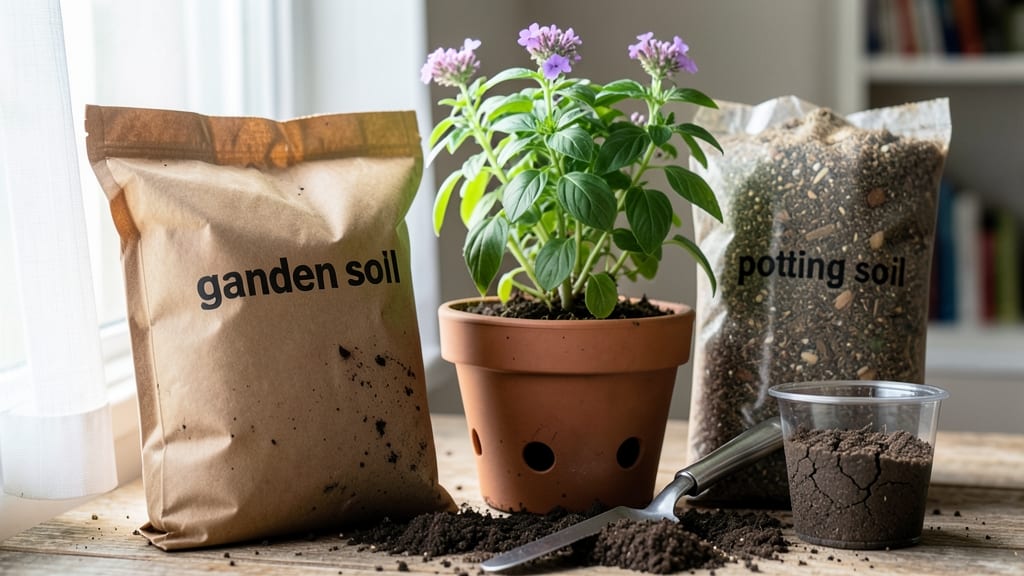
You shouldn't use garden soil for potted plants because it compacts easily, drains poorly, and may harbor pests or diseases. Most container plants thrive better with lightweight, well-draining potting mixes designed to prevent root rot and encourage aeration.
Garden soil is heavy and dense, making it nearly impossible for roots to breathe in confined pots. 🌱 Without proper aeration, moisture gets trapped, leading to suffocating roots and fungal growth.
Even if you mix it with compost, the clay particles will still compact over time, cutting off oxygen flow to the roots. I've seen houseplants like ferns and orchids thrive when switched to a loose, airy mix—the difference is night and day.
For best results, opt for commercial potting mixes that include perlite or vermiculite, or create your own blend with coconut coir and compost. This combo mimics natural soil conditions while preventing the dreaded "soggy bottom" that kills so many potted plants.
Always check your plant's specific needs—succulents need even more grit than herbs or flowering plants.
💡 In This Article
- Why Garden Soil Fails in Potted Plants
- Best Potting Mix Alternatives for Healthy Container Gardens
Why garden soil fails in potted plants
Garden soil is designed for outdoor beds where plants have room to spread their roots deep and wide. But in pots, the confined space turns its natural properties into a recipe for disaster.
The clay particles in garden soil pack tightly, reducing pore space by up to 50% compared to ideal potting mixes. This compaction creates a dense barrier that restricts oxygen flow to roots, while also trapping excess moisture—think of it like suffocating your plant's breathing tubes with wet newspaper. 🌱
The problem gets worse with organic matter. Garden soil often contains large chunks of decomposed leaves or grass clippings that break down unevenly, creating pockets of anaerobic (oxygen-free) zones. These areas become breeding grounds for harmful bacteria and fungi like Phytophthora, which causes root rot.
Even if your garden soil looks fertile, its structure simply can't support the delicate root systems of container plants, which need constant airflow to thrive. For reference, ideal potting mixes maintain 30-40% air space—garden soil typically offers only 10-20%.
Moisture retention is another critical failure point. Garden soil holds water like a sponge, but in pots, there's no room for excess to drain away. Without proper drainage holes, water pools at the bottom, creating a waterlogged environment where roots literally drown.
This is why you'll often see potted plants with garden soil developing yellow leaves or mushy stems—classic signs of root suffocation. The clay particles also bind tightly to water molecules, making it nearly impossible for roots to access moisture consistently, even when the soil appears damp on the surface.
Pest and disease risks escalate in garden soil too. Outdoor soil often contains weed seeds, larvae, and pathogens that can lie dormant until disturbed. When you repurpose garden soil for pots, you're essentially moving a mini-ecosystem of potential invaders into your home or garden.
For example, cutworm larvae or fungus gnats can thrive in the compacted environment, while diseases like powdery mildew find the damp conditions perfect for spreading. This is why professional growers never use garden soil for propagation or seed starting—it's a gamble with your plants' health.
Let's talk about nutrients for a moment. While garden soil may appear rich, its nutrients are often bound tightly to clay particles, making them unavailable to plants in confined spaces. Container plants need readily accessible nutrients delivered through frequent watering, but garden soil releases them too slowly.
This creates a mismatch where plants either starve or develop nutrient imbalances, like excess nitrogen leading to lush leaves but weak stems. The result? Plants that look healthy above ground but are actually struggling to establish proper root systems below.
Consider this real-world example: I once tried growing basil in garden soil for a summer pot arrangement. Within three weeks, the leaves turned yellow and wilted despite regular watering. The roots were black and mushy when I checked—classic root rot from the compacted soil.
Switching to a 50% potting mix/50% perlite blend had the plants thriving in under two weeks. The difference in root health and plant vigor was dramatic. 💫