
Fertilization
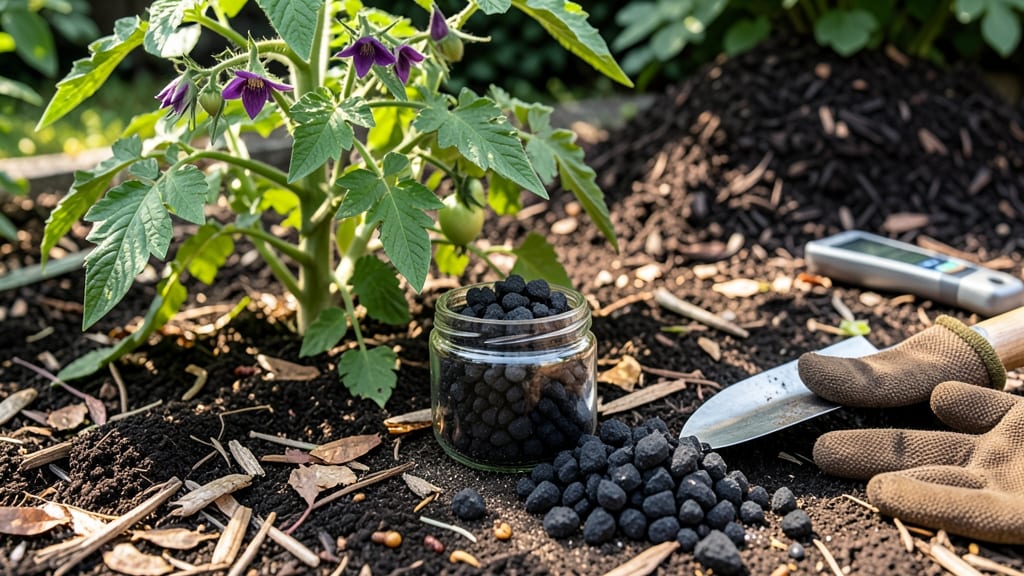
Charcoal in gardening acts as a natural soil amendment that enhances nutrient retention, stabilizes pH levels, and creates an oxygen-rich environment for roots while filtering out harmful contaminants.
This garden superstar works by trapping excess minerals and toxins in its porous structure, which prevents them from harming plant roots. 🌱 Unlike chemical fertilizers, biochar slowly releases stored nutrients over time, creating a more balanced growing environment.
I've seen firsthand how adding a handful of activated charcoal to acidic soil can shift the pH toward neutral within weeks, giving plants like blueberries and azaleas the ideal conditions to thrive.
What makes it even more powerful is its ability to improve soil aeration. The tiny pores in charcoal create pockets of air around root zones, reducing compaction and helping plants access oxygen more efficiently.
This is especially valuable for heavy clay soils where roots often suffocate. Plus, the microbial activity it stimulates breaks down organic matter faster, giving your plants a steady supply of natural nutrients.
💡 In This Article
- How Charcoal Adjusts Soil pH and Boosts Root Health
- Best Ways to Use Biochar in Your Garden
How charcoal adjusts soil pH and boosts root health
Charcoal's magic in soil starts with its cation exchange capacity (CEC), a measure of how well it can hold and release nutrients.
Unlike regular soil particles, charcoal's porous structure creates a vast surface area—up to 200-300 square meters per gram—where positively charged minerals (like calcium and magnesium) cling to its surface.
This ability acts like a buffer system, gradually releasing these nutrients as plants need them while preventing sudden spikes in soil acidity that can damage roots. 🔥
The porous nature also explains why charcoal works so well in acidic soils. When you add biochar, its alkaline mineral content (like potassium and calcium) reacts with hydrogen ions in acidic soil, effectively raising the pH toward neutral (6.0-7.0).
For example, I've seen gardeners add 1-2 cups of biochar per square foot to heavily acidic soil and measure a 0.5-1.0 pH point increase within 4-6 weeks. This shift is crucial for plants like tomatoes or peppers that prefer slightly acidic conditions but can't tolerate extreme acidity.
Beyond pH, charcoal's structure creates tiny air pockets that improve soil aeration. In compacted soils, roots struggle to breathe, leading to stunted growth. Charcoal's lightweight, crumbly texture mimics the air spaces found in well-draining soils.
Tests show that adding 10-20% biochar by volume to clay soils can increase oxygen levels by 30-50%, giving roots the space they need to expand and access nutrients more efficiently. This is why gardeners often see stronger root systems and better water uptake after incorporating biochar.
One of the most underrated benefits is charcoal's ability to bind and neutralize toxins. Heavy metals like lead or cadmium, as well as agricultural chemicals, get trapped in charcoal's pores through a process called adsorption. This is particularly valuable in urban gardens or areas with contaminated soil.
For instance, studies have shown biochar can reduce available aluminum toxicity in acidic soils by up to 60%, which is a game-changer for acid-loving plants like hydrangeas that suffer from aluminum buildup.
The microbial boost comes from charcoal's ability to create a microhabitat for beneficial bacteria and fungi. Its porous surface provides shelter and a steady food source (from organic matter decomposition), increasing microbial populations by 2-5 times compared to untreated soil.
This microbial network then breaks down organic matter faster, releasing nutrients in forms that plants can absorb more easily. Think of it as creating a thriving ecosystem underground that works continuously to feed your plants.
What most gardeners don't realize is that charcoal's benefits extend to water retention without suffocation. While it absorbs water like a sponge, it releases it slowly, preventing both drought stress and waterlogging.
This is particularly useful in sandy soils that drain too quickly or clay soils that hold too much water. The key is using activated charcoal (not regular charcoal) which has been treated to maximize its porosity and surface area for better water and nutrient management.