
Vegetables
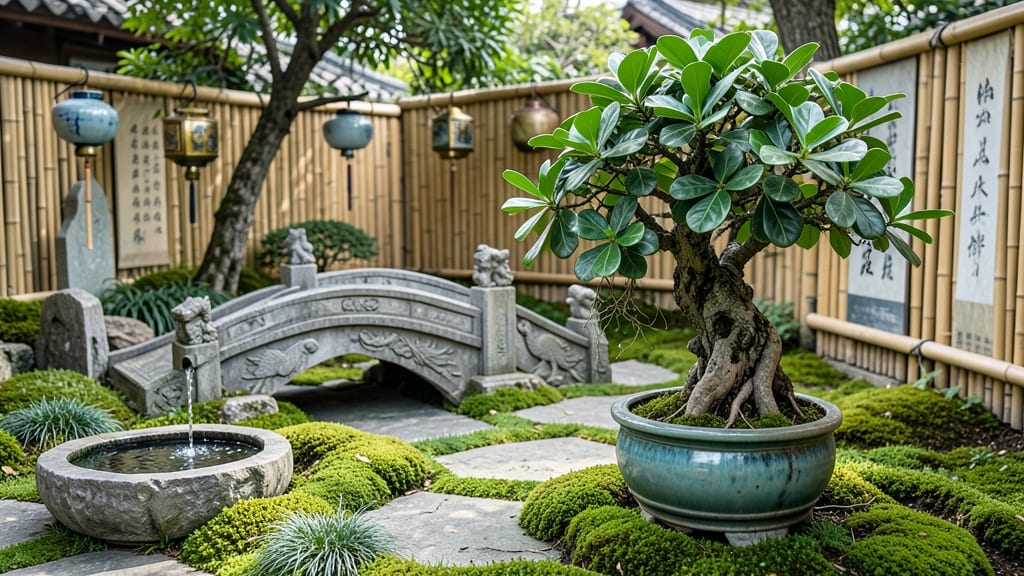
The Chinese Scholar Garden on Staten Island replicates Ming Dynasty-era Chinese gardens, featuring classical pavilions, koi ponds, and meticulously curated bamboo, orchids, and pine trees—offering a serene escape with cultural depth and botanical beauty rarely found in NYC parks.
The Chinese Scholar Garden on Staten Island is a meticulously designed cultural oasis that brings traditional Chinese aesthetics to New York City. 🌿 This tranquil retreat stands out because it mirrors the serene landscapes of Ming Dynasty gardens, complete with symbolic plant pairings like pine-bamboo-plum that represent longevity and resilience.
The garden's pavilions and water features aren't just decorative—they follow classical principles of harmony and balance, creating an immersive experience that feels both timeless and surprisingly accessible in an urban setting.
What makes this garden particularly special is how it blends horticultural expertise with cultural storytelling. The koi ponds, for example, aren't just decorative—they symbolize prosperity in Chinese tradition, while the carefully pruned bamboo represents flexibility and strength.
Whether you're admiring the camellias in bloom or the meticulously placed rocks, every element serves a purpose in this living museum of Chinese garden design.
💡 In This Article
- How Ming Dynasty Garden Design Shapes Staten Island’s Scholar Garden
- Best Plants to Spot in Staten Island’s Chinese Scholar Garden
How Ming Dynasty garden design shapes Staten Island’s scholar garden
The Staten Island Scholar Garden draws directly from Ming Dynasty (1368–1644) principles, where gardens were designed as "painted landscapes" to evoke natural beauty while embodying philosophical ideals. 🌿 The layout follows the "three horizontal and three vertical" rule—dividing space into nine sections with paths, pavilions, and water features aligned to create visual harmony.
This isn’t just decoration; it’s a spatial metaphor for cosmic balance, where each element (mountains, water, plants) represents natural forces.
One standout feature is the "pine-bamboo-plum" trio, known as the "Three Friends of Winter," symbolizing resilience through harsh seasons.
You’ll see black pine (Pinus thunbergii) with its twisted branches, bamboo (Phyllostachys) for flexibility, and plum blossoms (Prunus mume) for renewal—all chosen for their symbolic meanings and ability to thrive in NYC’s climate.
The garden’s 12-foot-wide koi pond mirrors this philosophy, with water symbolizing fluidity and the koi (Cyprinus carpio) representing prosperity and good fortune.
Architecturally, the pavilions—like the three-story "Moon Pavilion"— follow Ming-era designs with curved eaves and wooden latticework, creating shade while framing views of the garden.
These structures aren’t just shelters; they’re focal points that guide visitors through a journey of discovery, much like the "borrowed scenery" technique where distant views are framed to appear part of the garden. The 1.5-acre layout also incorporates "hidden paths," encouraging slow exploration and contemplation, a core Ming Dynasty principle.
What’s fascinating is how these ancient techniques adapt to Staten Island’s Zone 7a climate. For example, the garden uses acidic, well-draining soil (pH 5.5–6.5) to mimic China’s subtropical regions, while microclimates created by pavilions and stone walls protect delicate species like orchids (Dendrobium) from NYC’s occasional frost.
The result? A garden that feels both authentic and surprisingly resilient in an urban setting.
Even the stone arrangements follow Ming rules: rocks are placed in odd numbers (1, 3, or 5) to symbolize the "three treasures" (heaven, earth, humanity) and are often paired with plants to create "rock-plant harmony."
Visitors might notice how the granite boulders (some weighing 200+ pounds) are strategically placed to frame views of the pond or pavilions, a technique called "borrowing from the scenery." This isn’t random—it’s a deliberate blend of art and science.
For those curious about the "why" behind these choices, consider this: Ming Dynasty gardens were designed to be multi-sensory experiences. The rustling bamboo, the scent of camellias, the sound of water—each element was chosen to engage the senses while reinforcing cultural values.
In Staten Island, this tradition lives on, offering NYC residents a chance to step into a living poem of Chinese philosophy, one carefully placed stone and leaf at a time. 🌸