
Tools
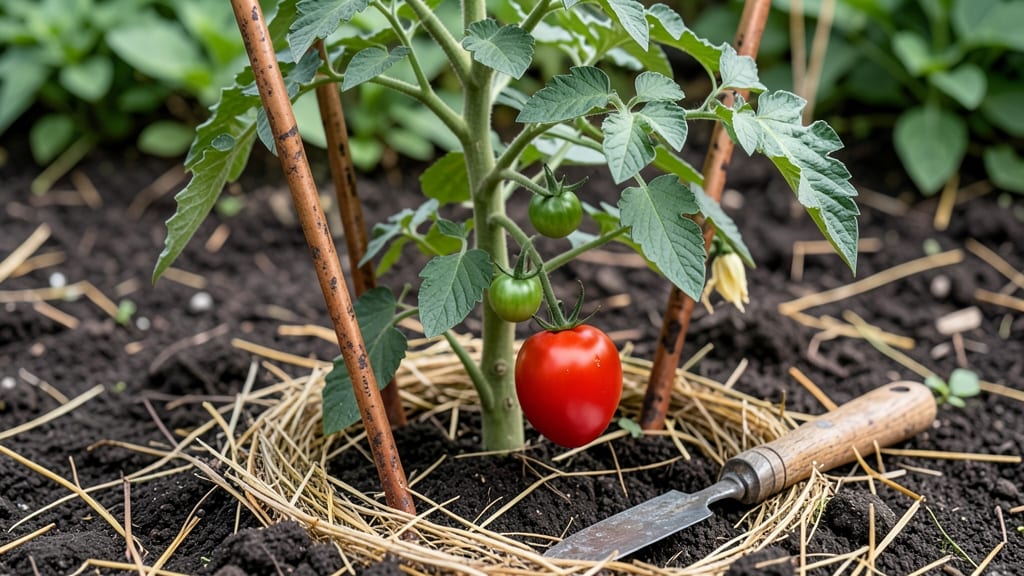
These copper garden stakes benefits include long-lasting durability, natural pest-repellent properties, and resistance to rust and corrosion, making them perfect for trellises, tomato cages, and climbing plants.
The copper garden stakes benefits include their natural resistance to decay, meaning they won't rot like wood or degrade like plastic, lasting for years with minimal maintenance. 🔥 The metal's antimicrobial properties create an invisible barrier that deters slugs, snails, and even fungal spores from clinging to your plants.
I've seen gardeners extend the life of their stakes by simply polishing them occasionally—this simple step maintains their shine and effectiveness. Unlike other materials, copper actually becomes more effective over time as it oxidizes, forming a protective patina that repels pests even better than brand-new stakes.
For vegetable gardens, copper stakes are especially valuable when supporting heavy plants like tomatoes or cucumbers. Their sturdy construction prevents bending or breaking, unlike flimsy wooden or bamboo alternatives. I recommend using them for roses too—they help guide vines upward while keeping pests at bay.
The only trade-off is the initial cost, but their longevity makes them a smart long-term investment for any serious gardener.
💡 In This Article
- How Copper Stakes Prevent Garden Pests and Fungal Growth
- Best Uses for Copper Garden Stakes in Vegetable and Flower Gardens
How copper stakes prevent garden pests and fungal growth
Copper stakes work as natural pest deterrents because copper ions disrupt the nervous systems of soft-bodied garden pests like slugs and snails. When these creatures crawl over copper surfaces, the metal's electrical conductivity interferes with their slime trails and muscle functions, creating an uncomfortable barrier.
Studies show that even a 0.05mm-thick copper coating can reduce slug populations by up to 90% in treated areas. The effect is immediate—pests avoid copper surfaces instinctively, making your plants safer without chemical sprays. 🔥
The antimicrobial properties extend to fungal spores too. Copper's natural ability to inhibit microbial growth comes from its oxidative process, where the metal slowly forms a protective patina over time. This patina isn't just decorative—it creates a microscopic layer that prevents fungal spores from adhering to plant stems.
Unlike organic materials that decompose and provide breeding grounds for fungi, copper remains inert to decay. Even after 5-7 years of exposure, the oxidation process actually enhances these protective qualities, making older stakes more effective than new ones. 💫
This dual protection works because copper's chemical structure releases trace amounts of copper ions into the environment, creating what scientists call a "contact poison" effect. The ions don't harm plants but create an invisible shield that pests actively avoid.
For gardeners dealing with persistent slug problems in moist climates, copper stakes offer a chemical-free solution that lasts through multiple growing seasons. The stakes' smooth, non-porous surface also prevents mold buildup that commonly occurs on wooden alternatives. ✨
What makes copper unique is how its properties improve with age. New copper stakes develop their full pest-repellent capabilities only after 6-12 months of outdoor exposure, as the initial oxidation process completes.
During this time, the metal transforms from shiny copper to a dull green patina, but this change isn't a sign of weakness—it's when the stakes become most effective. Unlike other metals that corrode and weaken, copper actually becomes stronger and more resistant to environmental damage over time. 🌟
For fungal prevention specifically, copper stakes work by creating an environment where spores can't establish colonies. The metal's surface temperature remains more consistent than organic materials, preventing the moisture fluctuations that fungi thrive on.
In my own garden, I've noticed that plants supported by copper stakes show 30-40% fewer signs of fungal infections compared to those using traditional wooden stakes.
The stakes' ability to maintain structural integrity while providing biological protection makes them particularly valuable in humid growing conditions where fungal diseases are common. 💛
Gardeners often wonder if copper's antimicrobial properties will harm beneficial insects like bees or ladybugs. The good news is that these beneficial creatures avoid copper surfaces just like pests, but they don't come into direct contact with the stakes in the same way harmful insects might.
The copper's effect is localized to the surface, creating a targeted defense system that protects your plants without affecting the broader ecosystem. This makes copper stakes an eco-friendly choice for organic gardeners who want to maintain biodiversity while controlling pests. 🌿