
Flowers
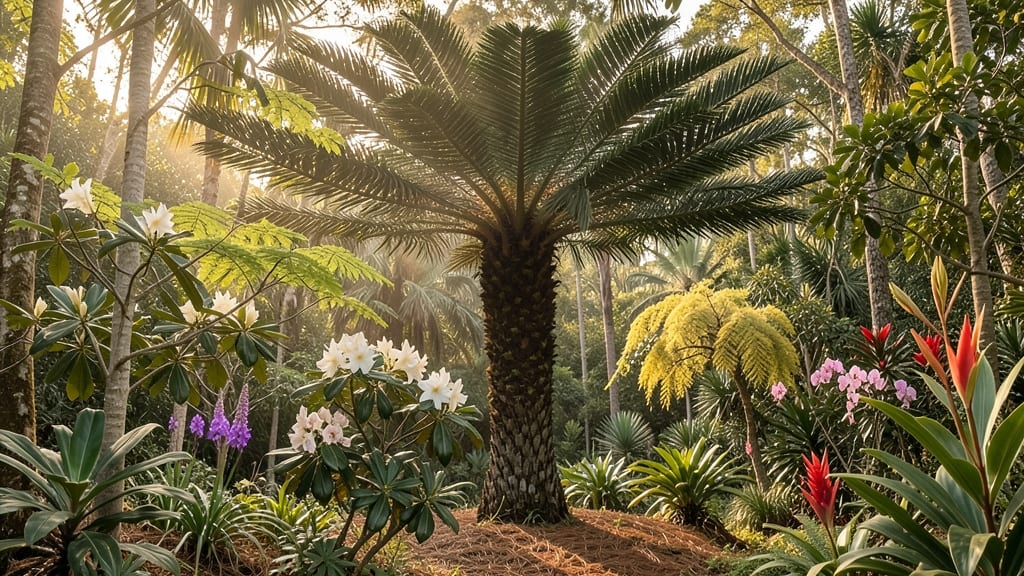
The Curitiba Botanical Garden features breathtaking native Brazilian plants, rare orchids, and tropical species across 42 hectares, offering free entry and a tranquil retreat from the city. Plan your visit during September–November for stunning fall blooms or February–April for vibrant spring displays, and don’t miss the Japanese Garden and Fern House for unforgettable botanical experiences.
The Curitiba Botanical Garden isn’t just a park—it’s a living museum of Brazil’s biodiversity. 🌿 With over 1,200 fern varieties in its iconic Fern House and rare species like the Jabuticaba tree, this garden blends conservation with beauty.
The free admission makes it a must-visit for plant lovers, while the carefully designed climate zones create microhabitats that mimic Brazil’s diverse ecosystems. Whether you’re chasing orchids or native flora, the garden’s layout ensures every corner feels like a discovery.
Timing your visit right maximizes the experience. Spring (September–November) brings fall blooms in full glory, while summer (February–April) showcases orchids and lush greenery. Pro tip: Weekday mornings are quieter, and guided tours reveal hidden gems like the Japanese Garden, designed to harmonize with the surrounding flora.
Nearby attractions, such as the Memorial Parque Tancredo Neves, make it easy to extend your botanical adventure into a full day of exploration.
💡 In This Article
- Botanical Highlights and Rare Species in Curitiba’s Garden
- Best Times to Visit Curitiba Botanical Garden for Peak Blooms
Botanical highlights and rare species in Curitiba’s garden
The Curitiba Botanical Garden’s centerpiece is its Fern House, a humid, glass-enclosed sanctuary housing over 1,200 fern varieties, including rare species like the Matteuccia struthiopteris (ostrich fern) and delicate Azolla filiculoides (water fern).
This structure mimics a tropical rainforest, maintaining 80-90% humidity year-round through a sophisticated misting system that releases water droplets every 15 minutes.
The ferns thrive here because their fronds require constant moisture to prevent browning, a process called desiccation that occurs when cells lose water faster than they can absorb it.
Beyond ferns, the garden’s native Brazilian collection includes the iconic Ipê trees, whose vibrant yellow, pink, and purple blooms light up the landscape from September to November.
These trees produce compounds called flavonoids, which give their petals their intense colors and also act as natural sunscreens, protecting the flowers from UV damage.
Another standout is the Jabuticaba, a purple grape-like fruit that grows directly on the tree trunk—a rare trait called cauliflory, where flowers and fruits emerge from the main stem rather than branches. This adaptation helps the tree retain moisture in Brazil’s seasonal droughts.
The garden’s orchid collection, spanning over 300 species, showcases Brazil’s role as a global biodiversity hotspot.
Orchids like the Cattleya labiata (native to southern Brazil) produce fragrant blooms that attract pollinators like hummingbirds, while others, such as Vanda coerulea (blue orchid), thrive in the garden’s high-altitude sections where cooler temperatures slow their growth cycle.
These plants rely on a symbiotic relationship with fungi in the soil, which helps them absorb nutrients—a process called mycorrhizal association that’s critical for their survival in controlled environments.
Climate zones play a pivotal role in the garden’s layout. The tropical zone mimics Brazil’s Amazon region with 25-30°C temperatures and high humidity, while the temperate zone replicates southern Brazil’s cooler climate, featuring species like the Araucaria angustifolia (Brazilian pine).
Even the Japanese Garden, a serene oasis within the park, follows Wabi-Sabi principles, using asymmetrical rock arrangements and moss-covered stones to create harmony with nature. This careful zoning ensures each plant receives the exact conditions it evolved to thrive in.
Conservation efforts are woven into the garden’s design. The seed bank preserves genetic material from endangered species like the Quatrezia quatuplicata (a rare palm), while the pollinator-friendly pathways encourage bees and butterflies to visit, aiding natural reproduction.
Visitors can even participate in citizen science projects, such as tracking orchid pollinators or reporting invasive species sightings through the garden’s app. This hands-on approach turns every visit into a contribution to biodiversity preservation.
What makes the garden’s collections truly special is their interactive elements. Touch tables in the Fern House let you feel the velvety texture of Osmunda regalis fronds, while the scent stations near the orchid section let you inhale the sweet, vanilla-like aroma of Cymbidium blooms.
These sensory experiences deepen your connection to the plants, making the science behind their survival feel tangible. 🌿