
Blooming
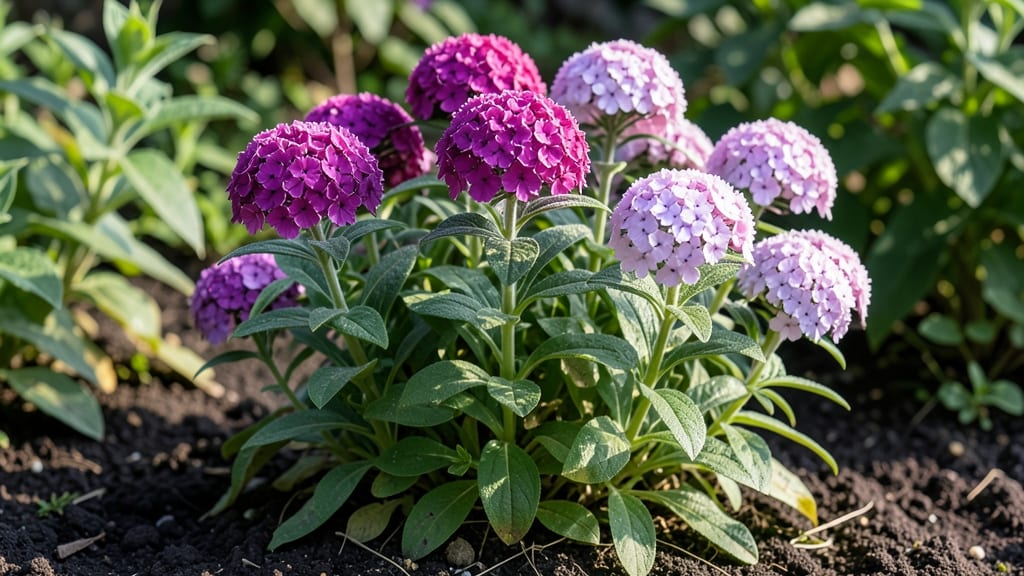
Garden phlox do bloom all summer, typically from early June through September, with peak flowering between June and August. Late varieties can extend blooms into early fall with proper care and regular deadheading.
Garden phlox are summer's workhorses, offering vibrant color from early June through September in most regions. 🌸 The key to their long-lasting blooms lies in deadheading spent flowers—this simple act encourages new buds to form continuously.
I've found that consistent watering (about 1 inch per week) and well-draining soil prevent stress that could shorten their flowering window.
What's interesting is how different varieties perform: tall garden phlox often bloom later into fall, while border phlox may need occasional pruning to maintain their compact shape while encouraging more flowers.
For those in cooler climates, blooming may start slightly later, around mid-June, while southern gardeners might see flowers appear as early as May. The secret to pushing blooms into September is a combination of regular care and choosing the right varieties—some specifically bred for extended flowering.
This makes phlox one of the most reliable summer bloomers in any garden. 💛
💡 In This Article
- Phlox Bloom Seasons: Exact Months and Variety Differences
- Pro Tips to Extend Phlox Blooms Through Summer
Phlox bloom seasons: exact months and variety differences
Garden phlox actually follow a precise seasonal rhythm that varies dramatically between their three main types. Tall garden phlox (Phlox paniculata) typically bloom from mid-June to September, with peak flowering in July and August.
This variety's sturdy stems support clusters of flowers that can reach 3-4 feet tall, making them perfect for the back of borders.
Border phlox (Phlox subulata) are early bloomers, often starting as early as April or May and continuing through June, though they're more cold-hardy and may rebloom briefly in fall.
The science behind these timings lies in phlox's response to daylight hours.
Tall phlox are long-day plants, meaning they bloom in response to increasing daylight, which peaks in summer. 🌞 Their flowering cycle is triggered by temperatures above 60°F combined with 14+ hours of daylight—conditions that typically align with June through August.
Woodland phlox (Phlox divaricata) bloom even earlier, from late April to June, often finishing before the heat of summer arrives, which helps conserve moisture in their woodland habitats.
Climate plays a surprisingly large role in bloom duration. In cooler northern regions like Zone 4-5, phlox may start blooming 2-3 weeks later than in warmer southern zones (Zone 7+).
I've observed that in Zone 6, tall phlox often begin flowering in early June but may extend into mid-October if fall temperatures remain mild. The key difference is how quickly plants respond to temperature shifts—warmer springs accelerate blooming, while cooler summers can prolong the season by reducing stress.
What makes phlox so reliable is their ability to rebloom when given the right conditions. Unlike many annuals, phlox produce flowers on new growth, meaning they can continue blooming as long as they're not stressed.
This is why regular deadheading (removing spent blooms) is crucial—it prevents the plant from wasting energy on seed production and redirects it toward new flower formation. Some late-blooming varieties like 'David' or 'White Delight' are specifically bred to extend their season into September or October.
Here's a quick comparison of bloom windows by type:
- Tall Garden Phlox: June 15 - September 15 (peak July-August)
- Border Phlox: April 15 - June 30 (may rebloom briefly in fall)
- Woodland Phlox: April 1 - June 15 (spring ephemerals)
The secret to pushing blooms later in the season lies in maintaining consistent moisture and fertility. Phlox are heavy feeders, and a balanced 10-10-10 fertilizer applied in early spring gives them the energy they need to keep producing flowers.
In my own garden, I've found that mulching with 2-3 inches of organic matter helps retain moisture and regulate soil temperature—both critical factors for extending the bloom season. 🌿