
Plants
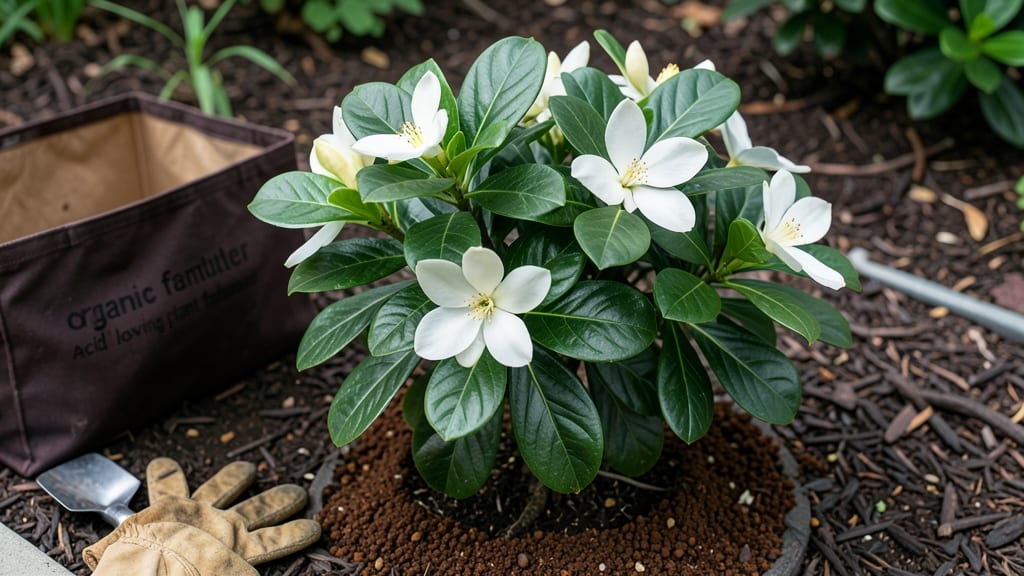
Gardenias do like coffee grounds because they prefer acidic soil, but you must use them carefully—overdoing it can smother roots or create too much acidity. Always mix just 1-2 tablespoons per plant into compost or mulch each month.
Gardenias thrive in soil with a pH between 4.5 and 6.0, and coffee grounds naturally lower pH while adding nitrogen that feeds soil microbes. 🌱 The key is balance—too much coffee can create a sour environment that burns roots, while too little won't provide enough acidification.
I've found that combining coffee grounds with well-rotted compost creates the perfect environment, giving gardenias both the acidity they crave and the nutrients they need to produce those fragrant blooms.
For best results, sprinkle grounds around the base of the plant (not directly on stems) and lightly work them into the top inch of soil. In container gardens, mix them into the potting medium during spring repotting.
Watch for signs like yellowing leaves or leaf drop—these often signal over-acidification. If you notice these, flush the soil with water to dilute excess acid before adding more coffee grounds.
💡 In This Article
- How Coffee Grounds Benefit Gardenia Soil Chemistry
- Safe Ways to Use Coffee Grounds for Gardenias
How coffee grounds benefit gardenia soil chemistry
Coffee grounds lower soil pH by releasing organic acids like chlorogenic and caffeic acid when they decompose. Fresh grounds have a pH around 6.2-6.8, but as they break down, they create a more acidic environment—ideal for gardenias that prefer 4.5-6.0 pH.
This acidification happens gradually over 2-4 weeks, giving roots time to adapt without shock. The process also releases small amounts of nitrogen (1.4-2.5% by weight), which feeds beneficial soil microbes that help break down organic matter further.
The nitrogen boost stimulates microbial activity, creating a thriving ecosystem that improves soil structure.
These microbes produce enzymes that help decompose coffee grounds into humus, which enhances water retention and aeration—critical for gardenias that hate soggy roots. 🌱 Think of it like adding a slow-release fertilizer: the nitrogen supports leafy growth, while the acidification primes the soil for those signature white blooms.
However, the key is patience—fresh coffee grounds can initially raise pH slightly due to their alkaline ash content, so always use well-aged grounds or composted coffee.
Gardenias also benefit from the improved drainage that organic matter provides. Coffee grounds break down into a spongy texture that prevents compaction, allowing roots to spread easily. This is especially important in heavy clay soils where gardenias often struggle.
The porous structure created by decomposed coffee grounds mimics the well-draining, acidic conditions of their native subtropical forests. For container gardenias, mixing 10-15% coffee grounds into the potting mix can maintain these ideal conditions for up to 3-4 months between refreshes.
What's often overlooked is how coffee grounds affect the soil's cation exchange capacity (CEC). Higher CEC means the soil can hold more essential nutrients like magnesium and potassium—both critical for gardenia blooming. The organic acids from coffee grounds help release these bound nutrients, making them available to roots.
However, this benefit only works if the coffee grounds are properly decomposed; fresh grounds can actually tie up nutrients temporarily as microbes prioritize breaking them down.
For visual learners, imagine your gardenia's roots like a network of tiny straws. Coffee grounds act as a filtration system—improving the soil's ability to deliver water and nutrients directly to where they're needed.
The dark, crumbly texture of well-composted coffee grounds contrasts sharply with the dense, clumpy soil many gardenias suffer in, creating an environment where roots can thrive without competing for resources. This visual difference is a great indicator of whether you're using coffee grounds effectively.
The acidification process isn't instantaneous—it takes 4-6 weeks for coffee grounds to fully decompose and affect pH. This gradual change is why monthly applications work best: it prevents sudden pH swings that could stress the plant.
During this time, the coffee grounds also attract earthworms, which further aerate the soil and create channels for root growth. These tiny engineers are often the unsung heroes of gardenia care, and coffee grounds give them the perfect buffet to thrive.