
Tools
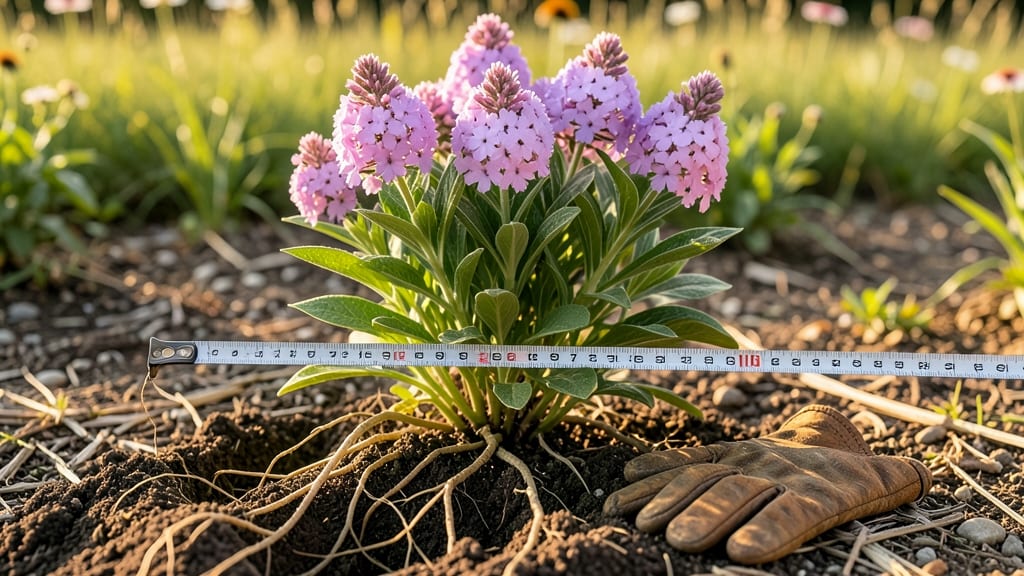
Garden phlox spreads gradually through underground rhizomes, expanding about 12–18 inches annually if unmanaged. Clumping types grow more slowly, while wild or native varieties may spread faster under ideal conditions.
This spreading habit happens because phlox grows from horizontal underground stems called rhizomes, which send up new shoots each season. 🌱 The rate depends on soil moisture, sunlight, and variety—well-drained soil with plenty of sun encourages faster spread, while shade or poor soil slows it down.
If you're dealing with a garden bed that needs to stay tidy, choosing compact cultivars like 'David' or 'Jeanne d'Arc' can help keep things under control.
For gardeners who want to manage their phlox's expansion, regular maintenance is key. Dividing clumps every 2–3 years helps prevent overcrowding, while installing edging or landscape fabric can block rhizome spread into unwanted areas.
The good news? Even aggressive spreaders can be contained with the right strategies—it just takes a little planning upfront.
💡 In This Article
- How Garden Phlox Spreads: Rhizome Growth Explained
- Controlling Phlox Spread: Pruning and Barrier Methods
How garden phlox spreads: rhizome growth explained
Garden phlox spreads primarily through underground rhizomes—horizontal stems that grow just below the soil surface. These rhizomes store nutrients and produce new shoots at nodes spaced roughly 3-6 inches apart, creating a gradual outward expansion.
The growth rate varies by variety, but most established plants expand 12-18 inches per year under ideal conditions, while some aggressive wild types can reach 24 inches or more annually.
The rhizomes typically grow 2-4 inches deep in the soil, which is why they're difficult to fully remove without careful digging.
The spread is most active during spring and early summer when temperatures are moderate (60-75°F) and soil moisture is consistent. In dry conditions, rhizome growth slows significantly, while rich, well-drained soil with ample organic matter can accelerate expansion by up to 30%.
The plant's foliage also plays a role—healthy leaves produce more energy for rhizome development, while stressed plants grow more slowly. This is why phlox often thrives in garden borders where it receives consistent care. 🌱
There's a key difference between clumping and non-clumping varieties. Clumping phlox (like 'David' or 'Lipstick') forms dense mounds with minimal rhizome spread, making them ideal for small gardens. Their rhizomes grow more vertically, producing fewer horizontal stems.
In contrast, non-clumping varieties (such as 'Jeanne d'Arc') send out long rhizomes that can create new plants along their length, leading to wider expansion. The choice between them depends entirely on your garden's size and maintenance preferences.
Another factor affecting spread is the plant's natural lifespan. Garden phlox typically lives for 3-5 years before flowering declines, which triggers natural dieback of older rhizomes.
This creates space for new growth, but it also means the plant's expansion pattern can change over time—young plants spread more aggressively than mature ones. The trade-off is that this dieback process helps control spread naturally in some varieties, though it may require thinning to maintain appearance.
For gardeners who want to predict spread, observe the plant's growth pattern over two full seasons. Mark the outer edges of the foliage in early spring and measure expansion by late summer. This gives you a clear picture of how quickly the rhizomes are extending.
In my own garden, I've seen 'Starfire' phlox spread 15 inches in one season when given full sun and regular watering, while the same variety in partial shade only expanded 8 inches. The difference in spread can be dramatic based on just these two factors.