
Plants
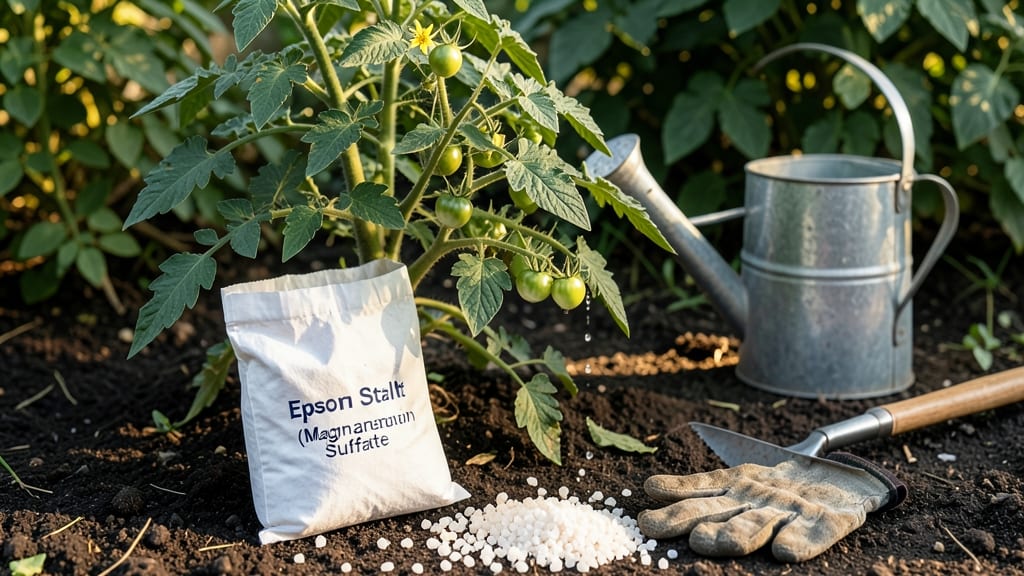
Epsom salt for garden plants delivers magnesium and sulfur, two vital nutrients that boost chlorophyll production, enhance flowering, and fortify root systems in nutrient-deficient or stressed soil.
Magnesium is the centerpiece of chlorophyll, the green pigment that powers photosynthesis—so when plants lack it, leaves yellow between veins, a classic sign called interveinal chlorosis. 🌱 Sulfur, meanwhile, plays a key role in protein formation and enzyme activation, which directly impacts plant vigor.
I’ve seen tomato plants go from struggling to thriving within weeks after applying Epsom salt, especially in my raised beds where soil tests often reveal magnesium deficiencies.
The beauty of this solution is its dual-action: it addresses both the visible symptoms (like weak stems or poor blooms) and the underlying nutrient gaps.
For best results, I recommend mixing 1 tablespoon of Epsom salt per gallon of water for foliar sprays or diluting 2 tablespoons per gallon for soil drenches. The key is consistency—apply every 2-4 weeks during growing seasons, and always water thoroughly afterward to prevent salt buildup.
Overuse can actually harm plants by disrupting soil chemistry, so start with half the recommended dose if your soil is already rich in minerals.
💡 In This Article
- How Epsom Salt Improves Plant Growth and Health
- Best Ways to Use Epsom Salt for Different Garden Plants
How Epsom salt improves plant growth and health
Magnesium, the active nutrient in Epsom salt (magnesium sulfate), acts as the central atom in chlorophyll molecules, the green pigments that capture sunlight for photosynthesis.
When plants show yellowing between leaf veins—a condition called interveinal chlorosis—it’s often a sign of magnesium deficiency. 🌱 This nutrient is also crucial for activating enzymes that help plants convert carbon dioxide and water into glucose during photosynthesis.
Without sufficient magnesium, plants can’t efficiently produce the energy they need to grow, leading to stunted growth and reduced yields. Sulfur, the second key component, plays a vital role in forming amino acids and vitamins, which are essential for protein synthesis and overall plant metabolism.
The absorption process begins when dissolved magnesium sulfate enters the soil solution, where plant roots uptake it through their root hairs.
This happens most efficiently in slightly acidic to neutral soil (pH 6.0-7.0), where magnesium remains soluble. 💫 What’s fascinating is how quickly plants respond: within days of application, you’ll often notice greener leaves and stronger stems.
For example, tomato plants deficient in magnesium may develop yellowing on older leaves first, but after applying Epsom salt, those leaves regain their vibrant green color within 7-10 days. The sulfur component also helps prevent diseases by strengthening cell walls, making plants more resilient against pests and pathogens.
One of the most visible benefits is the boost in flowering and fruiting. Magnesium enhances the production of phosphoenolpyruvate carboxylase (PEPcase), an enzyme critical for carbon fixation in plants, which directly supports flower and fruit development.
This is why gardeners often see a surge in blooms and larger, healthier fruits after applying Epsom salt. 🌸 For instance, peppers and eggplants, which are heavy feeders, show dramatic improvements in fruit set and size when magnesium levels are optimized.
The nutrient also plays a role in regulating phosphorus uptake, ensuring plants can efficiently utilize other essential minerals from the soil.
However, the effectiveness depends on several factors. Soil type matters greatly: sandy soils, which drain quickly, may need more frequent applications, while clay soils retain magnesium longer. 💧 Organic matter in the soil also influences how well plants can access magnesium.
Additionally, overapplication can lead to nutrient imbalances, where excess magnesium blocks the uptake of other essential minerals like calcium or potassium. This is why it’s crucial to conduct a soil test before heavy use—especially in areas with naturally high magnesium content, like regions with limestone bedrock.
Seasonal timing also impacts results. Early spring applications help kickstart growth after winter dormancy, while mid-summer treatments can revive plants struggling under heat stress. 🌿 For container-grown plants, where nutrient depletion happens faster, monthly applications of diluted Epsom salt solution (1 tablespoon per gallon) can prevent deficiencies entirely.
The key is observing your plants: if new growth shows yellowing despite regular fertilizing, it’s often a sign they need magnesium. This targeted approach ensures you’re addressing the root cause—not just symptoms—of poor plant health.
What most gardeners don’t realize is how magnesium affects root development. Strong roots are better at accessing water and nutrients, creating a positive feedback loop. 🌱 When roots thrive, they produce more shoots and leaves, which in turn increases the plant’s photosynthetic capacity.
This interconnected system explains why Epsom salt can transform struggling plants into vigorous growers. For example, houseplants like ferns and calatheas, which are prone to magnesium deficiencies in tap water, often perk up noticeably after a few foliar sprays with Epsom salt solution.