
Vegetables
Filoli Gardens in Woodside, near San Francisco, offers a breathtaking 17-acre estate where European elegance meets California's native beauty through its expertly designed gardens. This seasonal destination features rare botanical collections, historic architecture, and themed tours ideal for plant lovers.
What sets Filoli apart is its seamless fusion of Old World charm with West Coast botanicals. 🌿 The estate's gardens were carefully planned in the 1920s by renowned landscape architect Arthur Brunner, who blended formal French parterres with California's indigenous flora.
This harmonious design creates a one-of-a-kind experience where visitors can admire both classic European garden styles and native species thriving together. The property's historic significance extends beyond its plants—original 19th-century buildings and meticulously preserved interiors offer additional layers of interest for history buffs.
The seasonal nature of Filoli means planning your visit carefully. While the gardens are stunning year-round, certain areas like the Rose Garden and Woodland Walk reach their peak between spring and fall.
I always recommend checking their official calendar before visiting, as special events and extended hours often coincide with seasonal blooms. The estate's location in Woodside also makes it an excellent pairing with nearby dining options that complement the garden experience.
💡 In This Article
- Exploring Filoli’s Unique Garden Designs and Plant Collections
- Best Times to Visit and Essential Visitor Tips for Filoli Gardens
Exploring Filoli’s unique garden designs and plant collections
The gardens at Filoli were meticulously designed by landscape architect Arthur Brunner in the 1920s, blending French formal gardens with California's native botanicals. Brunner's approach created a harmonious balance by incorporating structured parterres, symmetrical pathways, and geometric plantings alongside drought-tolerant California species.
This fusion allows visitors to experience both the refined elegance of European garden design and the rugged beauty of native flora in one seamless landscape. 🌸
One standout feature is the 1,000-rose garden, planted in 1938, showcasing over 100 varieties that bloom from spring through fall. The estate also features 30+ acres of native California plants, including rare species like the California poppy and coast live oak, which thrive in the Mediterranean climate.
The Woodland Walk, a shaded path through native trees, demonstrates how indigenous species create natural ecosystems that require minimal irrigation—an innovative approach for its time.
Seasonal changes dramatically transform Filoli's appearance. In spring, the Tulip Garden bursts with 15,000 bulbs planted in intricate patterns, while summer brings vibrant hydrangeas and lavender to the formal gardens. Autumn showcases golden California buckeye and manzanita foliage, while winter reveals the architectural beauty of dormant native grasses.
The estate's 19th-century greenhouse, still operational today, protects delicate plants like orchids and ferns year-round.
What makes Filoli's plant collections particularly fascinating is their historical context. Many species were carefully selected to complement the estate's 1920s-era architecture, creating a cohesive aesthetic that feels both timeless and distinctly Californian.
For example, the formal garden's boxwood hedges frame views of the San Francisco Bay, while the native plantings in the Woodland Walk demonstrate sustainable landscaping principles that remain relevant today. This thoughtful integration of European and native elements makes Filoli a living laboratory of horticultural history.
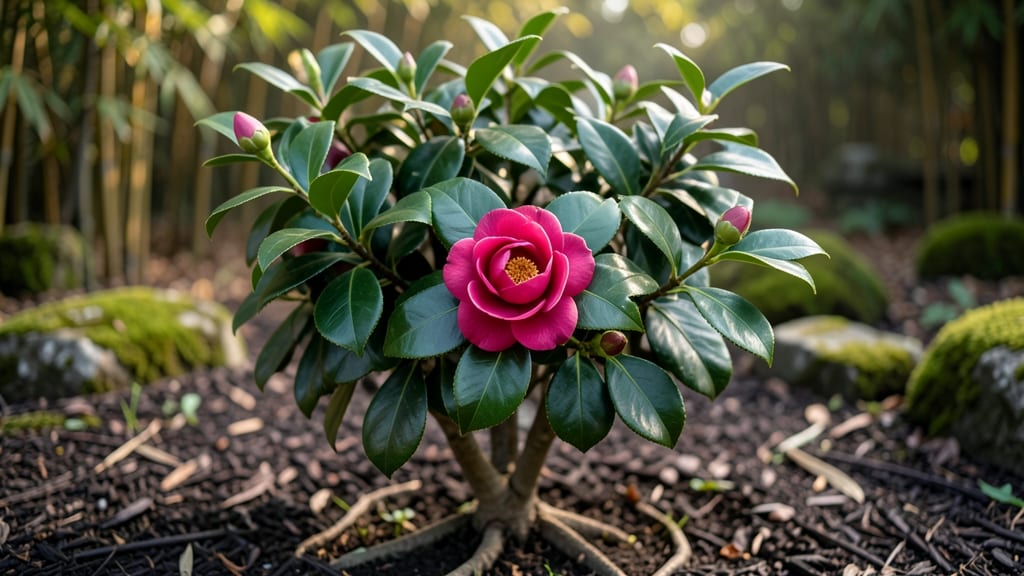
The estate's rare plant collections include 120-year-old camellias, some of which were planted by the estate's original owners, and California native shrubs like toyon and ceanothus, which provide critical habitat for local wildlife.
The Japanese Garden, added in 1937, features 300-year-old maples and stone lanterns, offering a serene contrast to the formal European sections. This diversity creates a multi-sensory experience where each garden area tells its own story while contributing to the overall harmony of the estate.
For plant enthusiasts, Filoli offers educational opportunities through its seasonal plant sales and guided tours that focus on specific collections. The estate's conservation efforts also highlight how these historical gardens can serve as models for modern sustainable landscaping.
Whether admiring the precision of the French parterres or the wild beauty of native meadows, visitors leave with a deeper appreciation for how different gardening traditions can coexist in a single landscape. 🌿