
Tools
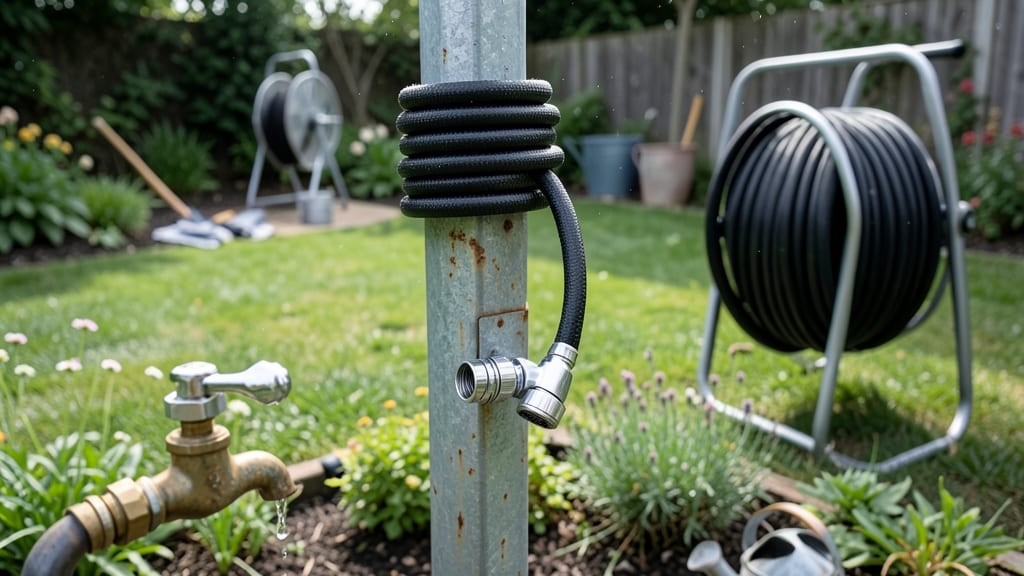
Installing a garden hose post properly means anchoring it to a solid foundation, marking precise drill points for stability, and fastening it with heavy-duty brackets or clamps to handle water pressure without shifting or breaking. Always use weather-resistant hardware to extend its lifespan.
A garden hose post's stability starts with the right foundation. 🔥 Unlike temporary setups, a well-installed post needs a permanent base—whether concrete, metal, or pressure-treated wood—to resist shifting from water flow or seasonal ground movement.
I’ve seen too many posts topple because they were bolted to soft soil or flimsy materials; the key is matching your hardware to your yard’s terrain. For example, sandy soil demands deeper anchors, while rocky ground may need adjustable brackets to compensate for uneven surfaces.
Once the base is set, precision matters. Marking drill points with a level ensures the post stays plumb, preventing water pressure from forcing it sideways over time. Pro tip: Use galvanized or stainless steel brackets—they resist rust and corrosion far better than basic screws or nails.
After securing everything, give it a firm tug to test stability before connecting your hose.
💡 In This Article
- Choosing the Right Location and Hardware for a Hose Post
- Step-by-Step Hose Post Installation for Maximum Durability
Choosing the right location and hardware for a hose post
Location determines how functional—and long-lasting—your hose post will be. Start by evaluating sun exposure: direct sunlight accelerates wear on plastic posts (which can become brittle over time), while shade protects against UV degradation.
I recommend placing the post near your main water source (like an outdoor spigot) but within 10-15 feet—any closer risks kinking the hose, and farther means stretching it too thin. For accessibility, position it at least 3-4 feet from walls or fences to avoid hose tangling during use.
The foundation type depends entirely on your yard's terrain. Concrete bases (like pre-cast piers) provide unmatched stability for heavy-duty posts, especially in areas with freeze-thaw cycles where soil expands and contracts.
Metal bases with adjustable feet work well on uneven ground, while wooden bases (pressure-treated 4x4s) are ideal for decorative posts but require regular sealing. For sandy soil, drive anchors 12-18 inches deep to prevent shifting—this is why many pros use helical piers for high-wind areas.
Hardware selection is where most DIYers go wrong. Plastic brackets may look cheap, but they crack under 20 psi water pressure (standard for most hoses). Instead, opt for galvanized steel brackets with ½-inch bolts and washers—they distribute force evenly and resist corrosion.
For extra security, add a ground anchor strap around the post base to prevent twisting. Pro tip: Use Teflon tape on threads to make future adjustments easier without stripping bolts.
Don't overlook soil composition. Clay soil holds moisture and can corrode metal bases over time, while rocky terrain might require adjustable brackets to compensate for uneven surfaces.
Test your post's stability by attaching a filled hose and turning the water on full blast—if it wobbles, you've missed something in the anchoring.
I've seen posts fail within weeks because they were bolted to soft spots; always dig a 6-inch-deep trench for the base to ensure it sits on undisturbed soil.
For high-traffic areas (like near patios), consider a post with a built-in reel—it saves space and prevents hose tangles. The reel should hold at least 50 feet of hose for flexibility.
If you're installing near a lawn sprinkler system, add a drip loop in the hose connection to prevent water hammer when shutting off the flow. This simple detail extends the life of both your post and your hose by reducing stress on connections.
Finally, think about future maintenance. Posts in low-lying areas collect standing water, which promotes rust. Elevate the base slightly (with gravel or a small platform) to improve drainage. For coastal areas, use marine-grade stainless steel hardware—regular galvanized steel corrodes faster in salty air.
These small upgrades can double your post's lifespan from 2-3 years to 10+ years.