
Vegetables
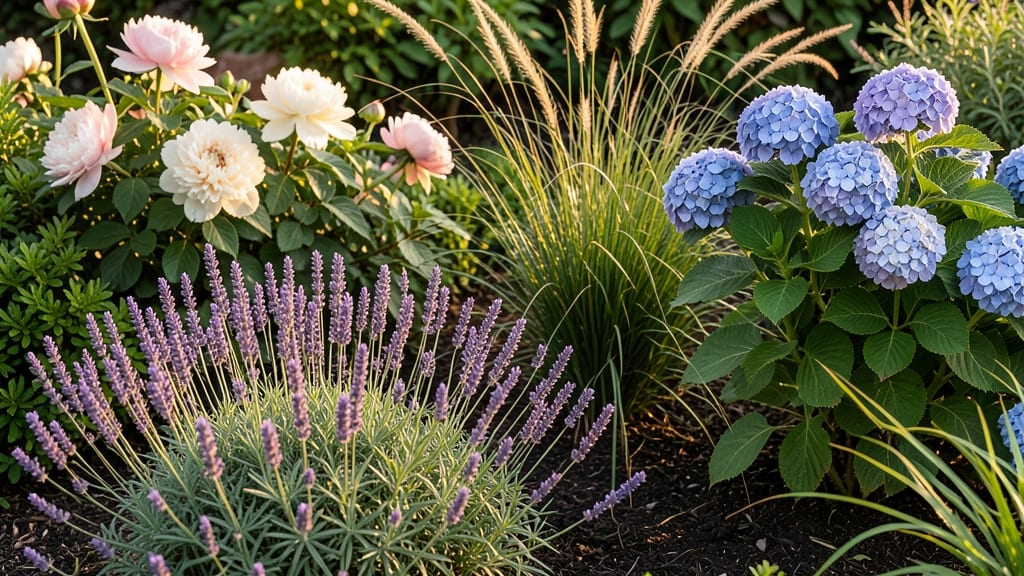
Strolling the gardens for seasonal vegetable picking means timing your visits to harvest ripe produce at peak flavor, identifying edible plants by leaf shape and growth stage, and following garden etiquette like asking permission before harvesting. Always bring tools like pruners and containers for a successful harvest.
Exploring community gardens to forage for fresh vegetables is like going on a culinary treasure hunt. 🌱 The key is knowing when to pluck—most gardeners appreciate when you pick at the right moment, like harvesting zucchini when they're still firm or picking strawberries just as they begin to soften.
I always recommend bringing a small notebook to jot down plant varieties and their growth stages, which helps you return at the perfect time next season.
Beyond timing, recognizing edible plants from toxic lookalikes can be tricky, especially with herbs like mint versus wild bergamot. A good rule of thumb is to start with plants labeled in community gardens or ask the gardener—most are thrilled to share their knowledge.
And don't forget your harvesting tools: sharp pruners make clean cuts, and breathable containers keep your bounty fresh longer.
💡 In This Article
- When and How to Identify Edible Vegetables in Gardens
- Etiquette and Tools for Ethical Garden Picking
When and how to identify edible vegetables in gardens
Identifying edible vegetables in gardens relies on understanding plant maturity cues. For example, tomatoes change from green to a deep, even red when fully ripe, signaling peak sweetness and lycopene content. 🍅 The texture shifts from firm to slightly yielding—press gently to test.
Leafy greens like kale or Swiss chard develop a richer color and slightly bitter edge when harvested at the right stage, while herbs like basil release their most potent aroma when leaves are young and tender.
Seasonal timing is everything—zucchini should be harvested when 3-6 inches long, before seeds harden, while strawberries ripen in 2-3 weeks after flowering. Root vegetables like carrots or beets are best pulled when their tops are 4-6 inches tall and roots are 1-2 inches in diameter.
The science here involves photosynthesis: leaves convert sunlight into sugars, which accumulate in edible parts like roots or fruits as they mature.
Distinguishing edible plants from toxic lookalikes requires close observation.
For instance, wild carrots (edible) have finely divided leaves, while poison hemlock has smooth, purple-speckled stems and a musty odor. 🌿 Always check leaf shape, stem texture, and growth patterns—edible plants often have a uniform, healthy appearance, while toxic varieties may show irregularities or discoloration.
When in doubt, ask the gardener or consult a field guide with color photos.
Harvesting at the right time maximizes flavor and nutrition. For instance, peas are sweetest when pods are 2-3 inches long and snap easily, while bell peppers develop their full flavor when firm and glossy.
Overripe produce often loses sweetness and texture, so timing is critical. The key is to harvest in the morning when temperatures are cooler, preserving crispness and vibrant colors.
Consider these common edible plants and their ideal harvesting signs:
- Tomatoes: Deep, uniform color; slightly yielding when pressed
- Zucchini: 3-6 inches long; firm and glossy skin
- Strawberries: Bright red; slightly soft to touch
- Leafy Greens: Rich color; slightly bitter taste
- Carrots/Beets: 1-2 inches diameter; tops 4-6 inches tall
Always prioritize safety—never consume a plant unless you're absolutely certain it's edible. When in doubt, admire from afar and ask the gardener for guidance. 🌱