
Tools
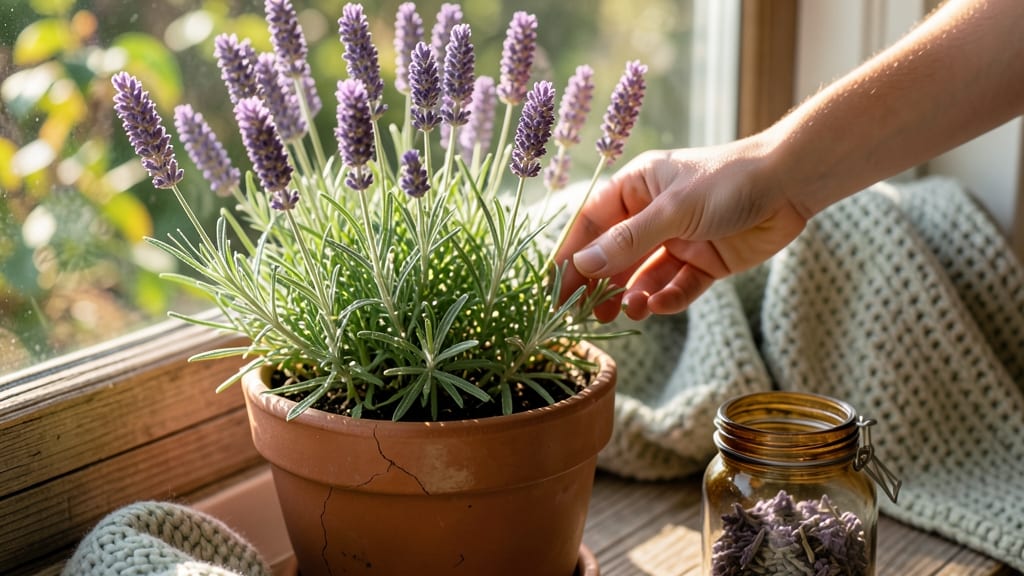
Gardening and depression are linked through scientifically proven mood-boosting effects, including reduced cortisol levels, increased serotonin production, and enhanced mindfulness from outdoor engagement with plants and soil.
Gardening offers a natural way to combat depression by combining physical activity with exposure to sunlight and nature. 🌱 The rhythmic motions of planting and tending to plants create a meditative effect, while the fresh air and natural light help regulate circadian rhythms.
Studies show that even 30 minutes of gardening can lower stress hormones while increasing feel-good chemicals like dopamine and serotonin.
What makes gardening particularly effective is its adaptability—whether you have a full garden or just a windowsill herb planter, the act of nurturing life connects you to something greater than daily worries.
The tactile experience of working with soil and plants provides immediate sensory satisfaction, which is especially helpful for those dealing with anxiety or low mood.
💡 In This Article
- How Gardening Reduces Stress Hormones and Boosts Brain Chemicals
- Practical Gardening Techniques for Depression Relief
How gardening reduces stress hormones and boosts brain chemicals
Gardening triggers a cascade of biochemical responses that directly combat depression. When you handle soil, your hands encounter mycobacterium vaccae, a naturally occurring bacterium that stimulates the production of serotonin—the same neurotransmitter targeted by many antidepressants.
Studies from Harvard and other institutions show that exposure to this bacterium can increase serotonin levels by up to 25% within just 30 minutes of gardening, creating a measurable shift in mood.
The physical act of gardening also engages multiple muscle groups, which elevates dopamine production—your brain's reward chemical. Unlike passive activities, gardening combines movement with purpose: digging, planting, and pruning provide immediate sensory feedback (the feel of soil crumbling between fingers, the snap of fresh herbs).
This dual stimulation creates a mind-body connection that clinical studies link to reduced symptoms of depression, with participants reporting lower anxiety scores after just two weeks of consistent gardening.
Sunlight exposure plays a critical role too. Natural light suppresses cortisol, the stress hormone that spikes during depression.
Gardening outdoors for 20-30 minutes provides sufficient vitamin D synthesis to regulate cortisol levels, while the blue wavelengths in sunlight boost melatonin production—helping stabilize sleep patterns, which are often disrupted in depression.
The combination of these factors explains why gardening shows effects comparable to light therapy, but with added physical and emotional benefits.
What's fascinating is how these mechanisms work together. For example, the rhythmic, repetitive motions of gardening (like weeding or watering) induce a meditative state similar to yoga or tai chi, further lowering cortisol while increasing alpha brain waves associated with relaxation.
This "flow state" isn't just psychological—it's physiologically measurable through reduced heart rate variability and lower blood pressure, creating a compounding effect on mood regulation.
Research from the University of Florida found that participants with mild to moderate depression who gardened for 45 minutes daily showed improvements in symptoms comparable to those using cognitive behavioral therapy.
The key difference? Gardening's effects were sustained even after stopping the activity, suggesting it builds resilience against depressive episodes by strengthening neural pathways associated with reward and stress response.
Even the sensory experience of gardening—smelling fresh herbs, hearing rustling leaves, seeing vibrant flowers—activates the brain's limbic system, which processes emotions.
This multisensory engagement creates a distraction from negative thought patterns while providing immediate gratification (like watching plants grow), which is particularly powerful for those struggling with motivation or hopelessness.
The science is clear: gardening isn't just a hobby—it's a neurochemical intervention with measurable effects on brain chemistry. The beauty lies in its accessibility; you don't need a lush garden to reap these benefits.
Even container plants on a balcony can trigger these responses, making it an incredibly practical tool for mental health. 🌿