
Tools
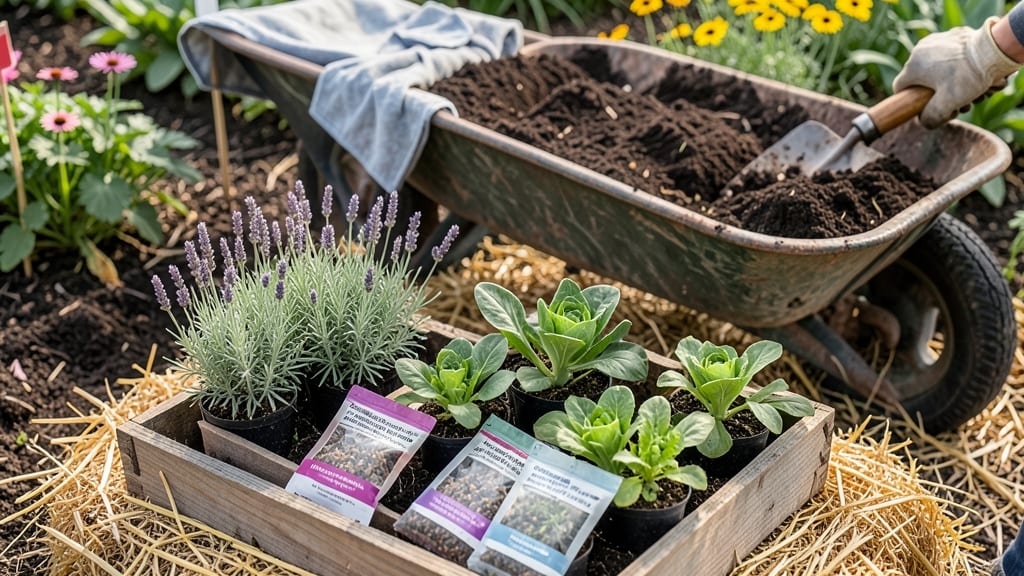
Starting a garden in Alberta means choosing frost-tolerant plants, protecting young growth from late frosts, and working with nutrient-poor soil to maximize short-season yields. Begin with late-May planting and focus on hardy varieties like cabbage, peas, and hardy herbs.
Alberta’s Zone 3-5 climate means you’ll face late spring frosts and early autumn freezes, so timing is everything. 🌱 The key is to start seeds indoors 6-8 weeks before your last frost date (usually mid-May in most regions) and use row covers or cold frames to extend the season.
I’ve found that even experienced gardeners underestimate how quickly temperatures can drop—always have backup protection ready for late-season harvests.
Another critical factor is soil preparation. Alberta’s rocky, clay-heavy soil benefits from compost amendments and mulching to retain moisture and warmth. Test your soil pH (aim for 6.0-7.0) and consider raised beds if drainage is poor.
For beginners, I recommend starting small with perennial herbs like thyme or cold-hardy greens such as spinach—they’re forgiving and productive even in challenging conditions.
💡 In This Article
- Alberta’s Unique Gardening Zones and Plant Hardiness
- Step-by-Step Guide to Preparing an Alberta Garden Bed
Alberta’s unique gardening zones and plant hardiness
Alberta spans USDA hardiness zones 3-5, meaning temperatures can drop to -30°F to -40°F in winter, while summers rarely exceed 75°F. Zone 3 (northern Alberta) has the shortest growing season—just 90-120 days—while Zone 5 (southern Alberta) enjoys 150-180 days.
This dramatic difference explains why frost dates are your gardening calendar’s most critical reference point. For example, Calgary’s last spring frost typically occurs around May 15, while Edmonton’s can linger until May 25—a 10-day window that determines which crops you can safely plant outdoors.
The science behind plant hardiness involves a plant’s ability to survive freezing temperatures through a process called cold acclimation.
Hardy varieties like potatoes and kale produce antifreeze proteins that prevent ice crystals from forming in their cells, while tender crops like tomatoes must be started indoors or protected. 🌱 Alberta’s short growing season also means you’ll need to prioritize fast-maturing varieties—look for labels indicating 50-60 days to harvest.
For instance, ‘Early Girl’ tomatoes (60 days) thrive in Alberta with proper protection, while ‘Better Boy’ (80+ days) requires a greenhouse.
Native and adapted plants are your best allies. Perennial raspberries (Zone 3-5) and strawberries (Zone 3-4) establish deep root systems that insulate against frost, while biennials like carrots and beets store energy in their roots to survive winter.
Even herbs like catalina mint (Zone 3) and Russian sage (Zone 4) require minimal care, making them ideal for beginners. The key is matching your plant’s hardiness rating to your zone—never assume a Zone 5 plant will survive in Zone 4 without protection.
Season extension tools like row covers and cold frames can push your growing season by 3-4 weeks in both directions.
A simple floating row cover (made of lightweight fabric) raises soil temperature by 3-5°F and protects against light frosts, while a cold frame (a transparent cover over a wooden frame) can extend fall harvests until November in Zone 5.
These tools create microclimates where plants can thrive despite Alberta’s unpredictable weather patterns.
Consider these cold-hardy vegetables that consistently perform well:
- Kale: Survives -20°F and tastes sweeter after frost
- Potatoes: Plant in late April for harvest before September
- Peas: Tolerate light frosts and fix nitrogen in soil
- Spinach: Grows well in cool 50-65°F temperatures
What most gardeners overlook is how soil temperature affects planting. Soil needs to reach 40°F for peas and 50°F for potatoes before seeds will germinate.
Use a soil thermometer to monitor—cold, wet springs are common in Alberta and can delay planting by 2-3 weeks. 🌿 This is why starting seeds indoors in late March gives you a head start on the season.