
Vegetables
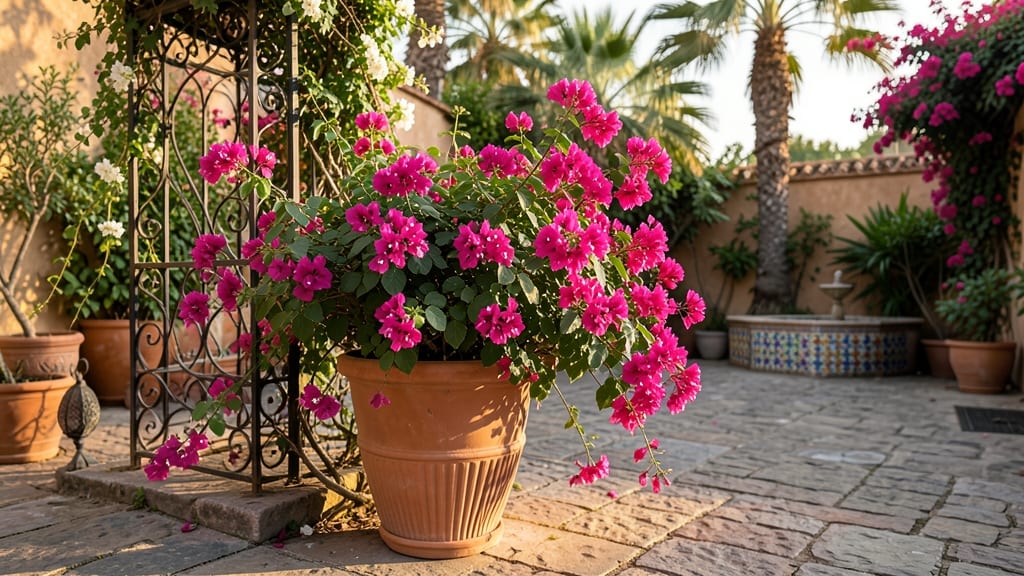
The Gardens of Marrakech represent a stunning fusion of Moroccan architecture and botanical artistry, with legendary spots like Majorelle, Menara, and Jardin Secret showcasing fragrant pathways, intricate tile mosaics, and rare flora adapted to North Africa's arid climate. These tranquil retreats blend centuries-old Berber craftsmanship with French colonial touches, offering peaceful havens amid the city's vibrant chaos.
The Gardens of Marrakech aren't just green spaces—they're living museums where history unfolds through every geometric tile and fragrant bloom. 🌿 At Majorelle, the cobalt-blue walls and cacti collection create a surreal contrast, while Menara's expansive lawns frame the Atlas Mountains like a natural painting.
What makes these gardens special is how they balance utility and art: the fountains aren't just decorative—they're essential for irrigation in this dry climate, while the citrus groves provide both beauty and practical harvests for locals.
The best time to visit is during spring when bougainvillea bursts into color, though each season reveals different facets of their horticultural magic.
Beyond the famous trio, hidden gems like Jardin de l'Agdal offer a quieter experience with its French-inspired layouts and diverse plant collections. These gardens prove that even in a bustling city, nature can thrive as both an escape and an inspiration.
The key to appreciating them fully is wandering without a strict path—letting the scents of jasmine and the play of light through palm fronds guide your exploration.
💡 In This Article
- Moroccan Garden Design Principles in Marrakech’s Iconic Spaces
- Best Marrakech Gardens for Plant Lovers and Photographers
Moroccan garden design principles in Marrakech’s iconic spaces
The gardens of Marrakech follow four core design principles rooted in Islamic geometry and North African climate needs: water as the centerpiece, fragrant plant layers, symmetrical pathways, and shaded retreats.
The most striking example is Majorelle's fountain system, where water not only creates visual harmony but also cools the air by 10-15°F through evaporation—a crucial adaptation to Marrakech's 95-105°F summers.
These fountains often feature seven-tiered basins, symbolizing the seven heavens in Islamic cosmology while serving practical purposes for irrigation.
Fragrance plays a deliberate role in garden design, with jasmine, rose, and orange blossom planted along walkways to guide visitors through sensory layers. The citrus groves at Menara Garden produce 1,200-1,500 kilograms of fruit annually, providing both aesthetic value and practical harvests for local communities.
Geometric tilework, like the zellige mosaics at Jardin Secret, creates optical illusions that make spaces appear larger while reflecting light in patterns that change with the sun's angle—a technique perfected over 1,000 years of Moroccan horticulture.
Shaded walkways are strategically placed to create microclimates where temperatures stay 20°F cooler than open areas. The palm trees (primarily Phoenix dactylifera) provide both shade and windbreaks, while their fronds create natural canopies that filter sunlight.
What's often overlooked is how these gardens use wind-catching devices—traditional qanats—to bring cool underground water to surface fountains, a system dating back to the 8th century when Berber engineers first developed it.
The symmetry in Marrakech gardens isn't arbitrary—it reflects Islamic principles of balance and infinity. The 4:1 ratio between length and width in pathways at Majorelle creates a sense of harmony while allowing for natural circulation of air.
Even the cacti collections (with 200+ species) are arranged in precise grids that demonstrate how desert plants can thrive in arid conditions. This careful planning turns every garden into both an artistic masterpiece and a functional ecosystem.
One fascinating detail is how these gardens incorporate three distinct plant zones: the outer perimeter with drought-resistant species like aloe vera, the middle layer featuring fragrant bloomers, and the central core reserved for water-loving plants. This zoning ensures each plant gets optimal growing conditions while creating visual depth.
At Jardin Secret, for example, the bougainvillea vines are trained to climb 15-foot-high trellises, creating living tapestries that change color with the seasons—purple in spring, orange in summer, and pink in autumn.
What makes these designs particularly brilliant is their dual functionality: they serve as both aesthetic spaces and practical solutions for water conservation.
The menara towers (like the one at Menara Garden) weren't just decorative—they housed water storage tanks that collected rainwater, a critical resource in a region with only 10-15 inches of annual rainfall. This ingenious system allowed gardens to flourish while supporting the city's water needs during droughts.
The result is gardens that feel like living paintings, where every element—from the blue-painted walls at Majorelle to the marble fountains at Jardin Secret—works together to create harmony between nature and architecture. 🌸