
Orchid Care
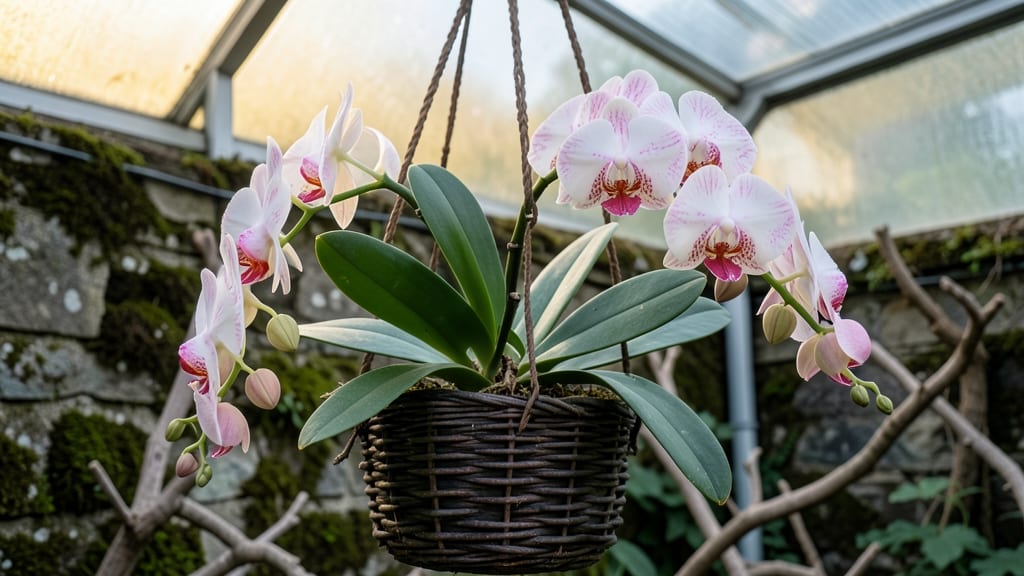
Shelldance Orchid Gardens in Pacifica, CA, is a lush botanical treasure featuring rare orchid collections, tropical plantings, and themed displays that bloom year-round, with standout varieties like Cattleyas in spring and festive orchids for winter holidays. The garden is free to explore, though donations help fund conservation programs.
Located along the Pacific Coast, this 2.5-acre garden thrives in its natural foggy microclimate, creating ideal conditions for orchids that would struggle in hotter climates. 🌿 The collection includes over 500 orchid varieties, from delicate Phalaenopsis to vibrant Vandas, with many hybrids developed through the garden's conservation partnerships.
Unlike commercial growers, Shelldance focuses on preserving endangered species, making each visit an educational experience about orchid biodiversity.
The garden's layout encourages exploration beyond the main paths—hidden gems include a shade house filled with rare epiphytes and a butterfly garden that blooms synchronously with orchid pollination cycles.
Visitors often report the most magical moments occur during weekday mornings when the air is cool and the crowds are light, allowing time to examine the intricate details of each bloom up close.
💡 In This Article
- Orchid Species and Blooming Seasons at Shelldance
- Best Times to Visit and Hidden Garden Tips
Orchid species and blooming seasons at Shelldance
Shelldance Orchid Gardens stands out because of its carefully curated collection of over 500 orchid varieties, including rare hybrids and endangered species. The garden's Phalaenopsis collection (moth orchids) dominates the spring displays, with blooms lasting up to 8-12 weeks per cycle.
These orchids thrive in the garden's 60-75°F daytime temperatures and high humidity, which mimics their native tropical rainforest habitats. 🌸 Unlike commercial greenhouses, Shelldance maintains these conditions through natural fog drip irrigation, creating a self-sustaining microclimate that reduces energy costs while preserving delicate blooms.
The garden's Dendrobium species—known for their waxy, long-lasting flowers—peak in late summer, while Cattleyas (with their bold, showy blooms) dominate spring exhibits. What's unique is the garden's Vanda collection, which includes rare blue and purple hybrids that typically sell for $200-$500 per plant in specialty nurseries.
These orchids grow on air plants (without soil) and require bright, indirect light, which Shelldance provides through strategically placed shade cloths that filter 40-60% of sunlight—a precise balance that prevents leaf burn while encouraging flowering.
Seasonal blooms follow precise cycles tied to Pacifica's coastal climate. For example, Paphiopedilums (lady slipper orchids) bloom in winter when temperatures drop to 55-65°F at night, while Oncidiums (dancing lady orchids) thrive in summer's 70-80°F warmth.
The garden's conservation focus means many plants are grown from seed pods collected in the wild, a process that takes 3-5 years to produce flowering-sized plants. This slow-growth approach ensures genetic diversity while protecting wild populations.
What most visitors don't realize is how the garden's pollination partnerships enhance blooming cycles. The adjacent butterfly garden attracts Monarchs and Swallowtails, which pollinate orchids like Maxillarias and Stanhopeas—species that rely on specific butterfly species for reproduction.
This creates a symbiotic cycle where both plants and insects benefit, resulting in more robust blooms. The garden's volunteer pollination team even hand-pollinates rare hybrids to ensure seed production for conservation programs.
Conservation methods at Shelldance go beyond simple cultivation. The garden participates in the Orchid Conservation Alliance and maintains a seed bank with over 1,200 preserved orchid species. Many plants are grown using hydroponic systems that use 90% less water than traditional soil methods, reducing environmental impact.
This sustainable approach allows the garden to maintain its free admission policy while still funding research programs that protect endangered orchids worldwide.
For orchid enthusiasts, the garden's blooming calendar is carefully timed to align with local climate patterns. For instance, Cymbidiums (autumn bloomers) receive cooler nighttime temperatures in September to trigger flowering, while Miltonias (spring bloomers) get longer daylight exposure in winter to stimulate buds.
These precise environmental controls create a year-round spectacle that commercial growers struggle to replicate. 🌿