
Lawn
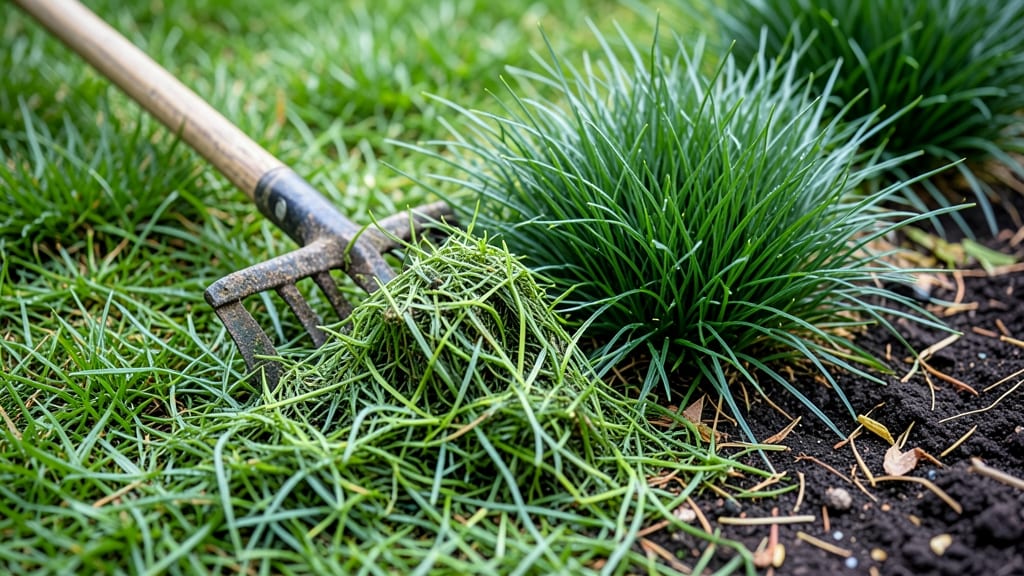
Using grass clippings in garden acts as a natural nitrogen-rich fertilizer that boosts lawn and plant health, though thick layers or improper placement can smother soil or invite weeds.
Grass clippings break down quickly into organic matter, releasing nitrogen that feeds soil microbes and plants. 🌱 The key is proper application—spreading them thinly (no more than ¼ inch) prevents suffocation while maximizing benefits.
I’ve found they work best on hearty plants like tomatoes or perennials, but avoid using them near delicate flowers or fungal-sensitive crops like potatoes.
What’s often overlooked is the timing—apply clippings when they’re dry to prevent matting, and always after mowing when they’re already small. This method cuts down on waste while giving your garden a nutrient boost without the hassle of synthetic fertilizers.
💡 In This Article
- How Grass Clippings Act as a Natural Soil Fertilizer
- Best Practices for Applying Grass Clippings in Gardens
How grass clippings act as a natural soil fertilizer
Grass clippings are essentially a slow-release nitrogen bomb for your garden. When you mow your lawn, each clipping contains about 4% nitrogen by dry weight, along with smaller amounts of phosphorus and potassium.
This nitrogen comes from the grass's natural growth process, where it absorbs nitrogen from the soil through its roots. When clippings decompose, soil microbes break down the organic matter, converting it into forms of nitrogen that plants can absorb—primarily ammonium and nitrate.
The decomposition process is surprisingly fast. Under ideal conditions (warm temperatures and moisture), grass clippings can break down completely in just 2-4 weeks. This rapid turnover releases nutrients in sync with plant growth cycles, unlike synthetic fertilizers that often provide a quick but short-lived boost.
The clippings also improve soil structure by adding organic matter, which enhances water retention and aeration. Think of it like giving your soil a lightweight, nutrient-rich blanket that helps roots breathe while feeding them over time. 🌱
Here’s where mulching vs. bagging makes a difference: mulching clippings back onto the lawn or garden returns those nutrients to the soil, while bagging removes them.
Studies show that mulching can reduce the need for synthetic nitrogen fertilizer by up to 25%—that’s significant for both your wallet and the environment. The clippings also act as a natural weed suppressant by blocking sunlight from reaching weed seeds, though this only works if they’re spread thinly.
What’s often surprising is how clippings stimulate microbial activity. Soil microbes feed on the decomposing organic matter, creating a thriving ecosystem that further breaks down nutrients into plant-available forms. This microbial activity also helps prevent soil compaction by producing glomalin, a sticky substance that binds soil particles together.
The result? Healthier soil that’s better at retaining moisture and supporting root growth. For example, a ½-inch layer of clippings can improve soil organic matter by 1-2% over a growing season.
However, the benefits hinge on proper application. Thick layers (over ¼ inch) can smother grass or plants by blocking sunlight and air, creating the perfect conditions for fungal growth.
The key is to mow frequently enough to keep clippings small—ideally, they should be no longer than ¾ inch—so they decompose quickly without forming a mat. This is why sharp mower blades matter: dull blades tear grass, creating larger clumps that decompose slower and may compact soil.
Consider this comparison: a typical lawn produces about 1 pound of clippings per 100 square feet per mowing. If you spread that evenly, it’s enough to provide a light, nutrient-rich layer without suffocating plants.
Over a growing season, this adds up to a substantial boost—equivalent to applying 1-2 pounds of nitrogen per 1,000 square feet, depending on your grass type and mowing frequency. 💫