
Landscaping
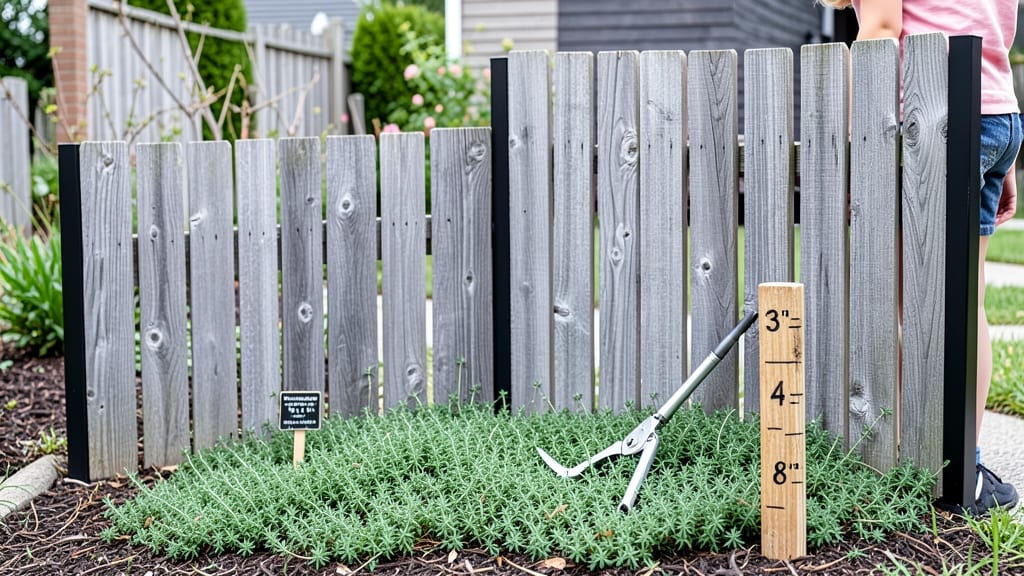
For garden privacy, a fence should generally stand 6 feet high, but your local regulations may require adjustments—some states cap heights at 4 feet, while others allow up to 8 feet. Wood, vinyl, or metal are the most durable options for both height and longevity.
How high should a garden fence be? A 6-foot fence is the sweet spot for privacy in most suburban areas, blocking views while keeping costs reasonable. However, local zoning laws often dictate exact heights—some neighborhoods enforce stricter limits to maintain curb appeal, while others prioritize noise reduction. 🔥 I’ve seen homeowners face fines for exceeding their county’s max height, so always verify before building. The material you choose also affects how tall your fence can practically be: wood offers classic privacy but needs regular upkeep, while vinyl stays maintenance-free but may lack the same solid barrier.
Beyond legalities, consider your property’s layout. A taller fence might be necessary along busy streets or shared boundaries, but it could block sunlight for neighboring yards.
For maximum privacy without breaking laws, I recommend checking your county’s building codes first—then adding lattice or decorative panels to enhance height visually if needed.
💡 In This Article
- State-by-State Garden Fence Height Laws
- Best Fence Materials for Privacy and Longevity
State-by-state garden fence height laws
Fence height regulations vary dramatically across states, often tied to zoning ordinances designed to balance privacy with neighborhood aesthetics.
For example, California typically enforces a 6-foot maximum for backyard fences, while Texas allows up to 8 feet in rural areas—though urban counties like Houston may cap heights at 6 feet to preserve property values.
These laws aren’t just about height; many states distinguish between front-yard and backyard fences, with stricter limits for the former to maintain street visibility for safety.
The science behind these rules often involves visual obstruction studies—research shows that fences over 6 feet can create "visual barriers" that reduce property values by up to 10% in some neighborhoods.
Cities like Los Angeles require permits for any fence exceeding 4 feet, and inspectors may reject designs that block sunlight from neighboring yards by more than 25% during peak hours.
Florida’s laws are particularly nuanced: while most counties allow 6-foot fences, Miami-Dade enforces 4-foot limits in historic districts to preserve architectural character.
What most homeowners overlook is how local HOAs (Homeowners Associations) can impose even stricter rules than state laws. In communities like those governed by the Community Associations Institute, fences over 5 feet may require architectural review committees’ approval, adding 3-6 months to your project timeline.
I’ve seen cases where a 6-foot wood fence was rejected because the HOA preferred the "cleaner lines" of a 4-foot vinyl option with decorative lattice. Always check both state codes and HOA covenants before purchasing materials.
Permit requirements add another layer of complexity. States like New York mandate permits for any fence over 4 feet, while others like Arizona only require them for heights exceeding 6 feet.
The permitting process typically involves submitting site plans showing property lines, fence location, and material specifications—delays here can push installation timelines back by 2-4 weeks.
For instance, a 7-foot metal fence in Phoenix might require a $200 permit fee plus a 14-day review period, whereas a 5-foot wood fence in Portland might only need a simple inspection.
Consider this real-world example: A homeowner in Chicago’s Lakeview neighborhood planned a 7-foot privacy fence but was denied because the city’s front-yard fence law limits heights to 4 feet within 50 feet of the street. The solution?
They installed a 4-foot front fence with 3-foot-tall lattice panels on top, creating the illusion of 7 feet while complying with regulations. This "visual height" trick is common in areas where strict laws meet privacy needs.
For maximum flexibility, I recommend starting with your county’s building department website—most now offer interactive zoning maps. Look for sections labeled "land use" or "building codes," where you’ll find PDFs detailing fence height limits by property zone.
Pro tip: Call ahead to ask about variance requests if you’re set on a taller fence—some areas allow exceptions for noise reduction or security concerns, especially in urban environments.