Size
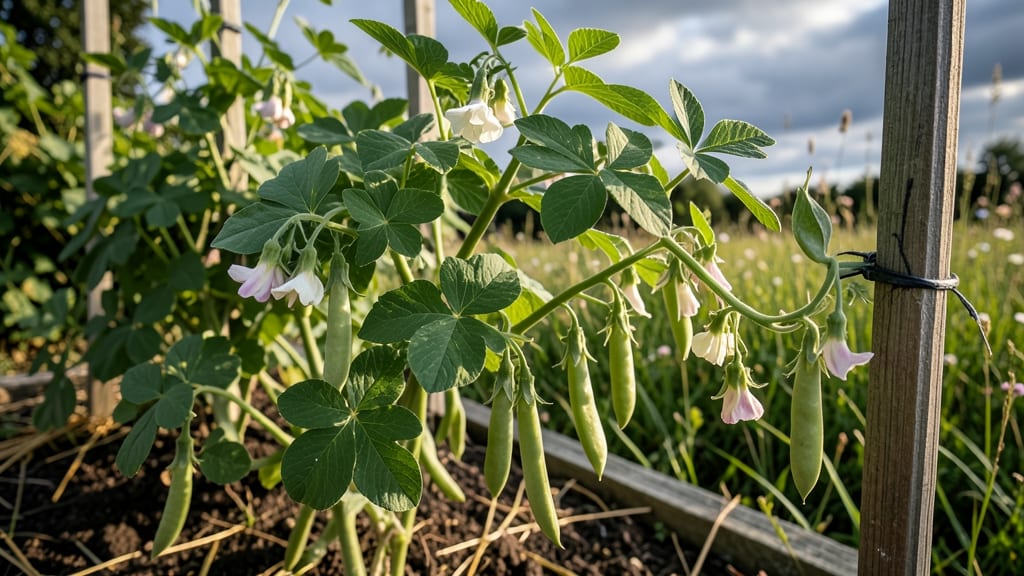
How tall do garden peas grow? They typically reach heights between 1 and 3 feet, but the variety you choose determines whether you’ll need a trellis or can tuck them into a tight corner of your garden.
Picture this: you’ve got your spring planting planned, but suddenly realize your favorite pea variety might outgrow its spot. Some peas stay short and bushy, while others climb like eager vines—knowing the difference saves space and stress.
Taller varieties like sugar snaps or snap peas can reach 3 feet or more, making them perfect for vertical gardens or trellises. Meanwhile, dwarf varieties like ‘Little Marvel’ max out around 18 inches, ideal for containers or small plots.
In this guide, I’ll break down the height ranges by type, share spacing tips to avoid overcrowding, and show you how to support climbing peas without sacrificing your harvest.


Garden pea height by variety: compact dwarfs vs. towering climbers
When planning your garden, knowing how tall garden peas grow is crucial—especially since varieties range from dwarf bushes under 2 feet to climbing vines reaching 8 feet.
The right choice depends on your space, trellis setup, and harvest goals. Dwarf varieties thrive in small gardens or containers, while climbing types need sturdy support but save ground space. Let’s break down the most popular varieties and their mature heights to help you pick the perfect fit.
Height isn’t just about aesthetics—it directly impacts spacing requirements, trellis needs, and even harvest accessibility. For example, a 6-foot climbing pea planted without support will sprawl, crowding other plants and making pods hard to reach.
Meanwhile, compact dwarf peas (1–2 feet tall) are ideal for balconies or interplanting with low-growing crops like lettuce. Understanding these differences ensures a productive, well-organized garden layout.
Below is a detailed comparison of garden pea heights by variety, including sugar snap peas, snow peas, and shelling peas. I’ve also included notes on growth habits and support needs to help you visualize how each will perform in your space.
If you’re growing climbing peas, prioritize 6-foot trellises or tall fences to accommodate their height. Varieties like 'Sugar Snap' or 'Telephone' can easily reach 8 feet if given enough support, making them perfect for vertical gardens or small spaces.
For dwarf varieties, like 'Sugar Sprint' or 'Little Marvel', you’ll save space and effort—no trellis required! These stay under 2 feet tall and produce just as sweetly.
Height also affects harvesting ease. Tall climbing peas may require a sturdy ladder or bending to pick pods at the top, while dwarf varieties keep everything at waist height. For container gardening, choose dwarf types or use small trellises (3–4 feet tall) to fit within pot limits.
Always check seed packets for variety-specific height ranges, as some "dwarf" labels can still grow taller than expected.
Another key factor is plant spacing. Climbing peas need 3–4 inches between seeds in rows spaced 18–24 inches apart to avoid overcrowding. Dwarf varieties can be planted 2–3 inches apart in tighter grids.
Proper spacing prevents disease spread (like powdery mildew) and ensures each plant gets enough sunlight and nutrients. I recommend sketching a rough garden map before planting to visualize how heights
When and how to use trellises for tall pea varieties
Tall pea varieties like sugar snap or telephone peas can reach 6-8 feet if given proper support, transforming your garden into a vertical feast. Without trellises, these vining peas sprawl, reducing airflow and increasing disease risk.
The key is choosing the right trellis early—before vines start climbing—to ensure your peas grow strong and productive.
For climbing peas, timing is everything. Install trellises at planting time or when seedlings are just 2-3 inches tall. This gives vines immediate support to twine upward instead of flopping. I’ve found that bamboo stakes or powder-coated metal cages work best for most gardeners—they’re sturdy yet affordable.
🚨 WARNING: Overcrowding on Trellises 🚨
Tall pea varieties like ‘Sugar Sprint’ or ‘Oregon Sugar Pod’ can grow 6-8 feet tall if unsupported, but most gardeners underestimate their space needs. Without proper trellises, vines become tangled, reducing pod production by up to 40%. Always match trellis height to your pea variety—5-6 feet is ideal for most climbers, but check seed packets for specifics. Overcrowding on trellises also invites powdery mildew from poor airflow.
When selecting materials, prioritize durability and breathability. Plastic or wooden trellises can warp over time, while galvanized wire or composite lattice lasts seasons. I recommend 3-4 feet wide trellises for rows to prevent vines from sprawling sideways.
For container growing, use mini trellis cages (2-3 feet tall) to save space.
Mid-season adjustments are crucial. If you notice vines sagging or pods touching the ground, reinforce supports immediately. I tie young vines gently to the trellis with soft plant ties (never wire, which can damage stems).
For overcrowded trellises, prune the oldest vines to improve airflow—this boosts yields by redirecting energy to newer growth.
Remove trellises after harvest to prevent disease buildup in next year’s garden. Clean supports with a 10% vinegar solution to kill lingering pathogens. I’ve seen gardeners reuse trellises for years by storing them in a dry, shaded area—just avoid plastic, which degrades in sunlight.
Pro tip: Plant radishes or lettuce at the base of trellises to utilize ground space efficiently. This companion planting trick maximizes your harvest while keeping peas healthy. With the right trellis setup, your tall peas will thrive and produce sweet, abundant pods all season long! 🌱