
Light Requirements
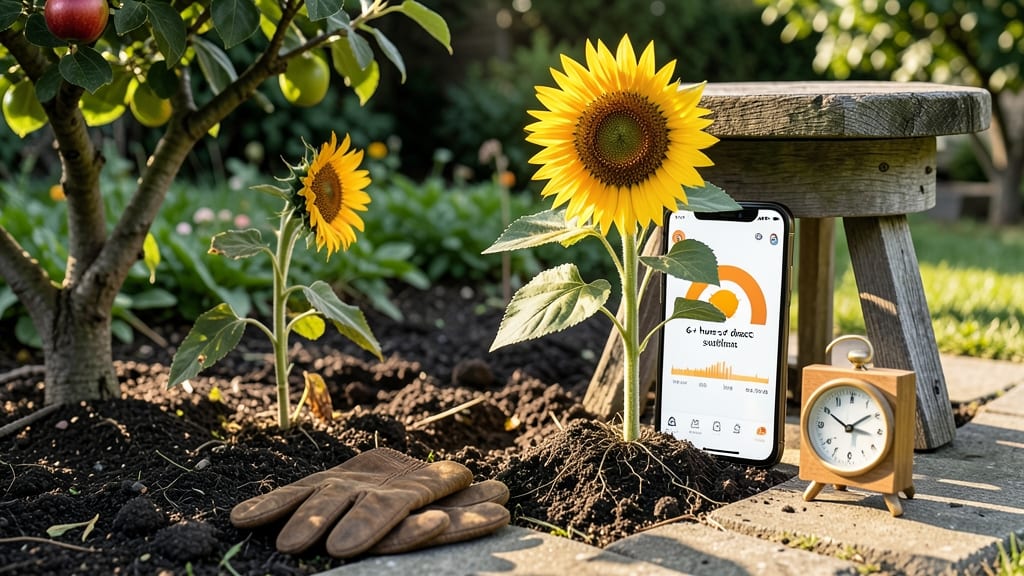
In gardening, full sun exposure means 6 or more hours of direct sunlight daily, though exact needs vary by plant type and location. Southern-facing gardens usually get more sunlight than northern ones, so always consider your specific growing conditions.
This 6-hour benchmark comes from how plants convert sunlight into energy through photosynthesis. 🌱 Plants like tomatoes and lavender need intense light to produce flowers and fruit, while others, such as succulents, can handle even more.
In cooler climates, sunlight hours stretch longer in summer, while tropical regions may need adjustments for afternoon shade to prevent leaf scorch. The key is observing your plants—wilting or pale leaves often signal insufficient light, while crisp edges can mean too much.
Not all gardens receive equal sunlight. For example, a western exposure might get harsh afternoon rays, while an eastern exposure offers gentler morning light. Partial shade plants (3-6 hours of sun) thrive in these transitional zones.
If your space is tricky, tools like reflective mulch or light-colored containers can help bounce extra light onto plants needing more. Always match your plant’s label to your garden’s actual light conditions!
💡 In This Article
- Why the 6-Hour Rule Matters for Plant Health
- Adjusting Sunlight Needs for Different Plants and Climates
Why the 6-Hour rule matters for plant health
Photosynthesis—the process where plants convert sunlight into energy—peaks when plants receive 6+ hours of direct light. This duration ensures chlorophyll production stays optimal, fueling growth and reproduction. For example, tomatoes need this full exposure to set fruit, while succulents can handle 8-10 hours without scorching.
The 6-hour threshold reflects how most plants balance energy production with moisture retention—too little light stunts growth, while excess can dry out leaves.
Geography plays a huge role. At 35°N latitude (like Southern California), summer days provide 14+ hours of daylight, but winter drops to 10 hours. Plants in these regions adapt by entering dormancy or growing deeper roots.
Meanwhile, tropical zones near the equator receive 12+ hours daily year-round, requiring shade protection for delicate species. Cloud cover also shifts the equation—coastal areas with frequent fog might need 20% more sunlight to compensate.
Light quality matters just as much as duration. Full sun delivers high-intensity UV rays, which boosts pigment production (like the red hues in peppers). However, afternoon sun (2 PM–5 PM) is often more intense, risking leaf burn.
That’s why many full-sun plants thrive with morning light and afternoon shade. Think of it like sunscreen for your garden—just enough to fuel growth without frying the foliage.
Seasonal shifts create another layer of complexity. Spring and fall offer moderate light levels (6-8 hours), ideal for seedlings, while summer’s peak intensity demands vigilance. Ever notice how basil bolts (goes to seed) in hot weather?
That’s excess light triggering early flowering. The 6-hour rule acts as a baseline, but real-world success depends on observing your plants’ responses—yellowing leaves often mean too little light, while crisp edges signal too much.
Even soil type influences how plants use sunlight. Sandy soils dry out faster, so plants need more light to compensate for moisture loss. Clay-heavy soils retain water longer, allowing plants to thrive with slightly less sun.
This is why the same plant might need full sun in Arizona but only partial sun in Oregon. Always test your garden’s microclimates by noting where shadows fall at different times of day.
Pro tip: Use a sunlight tracker app to log daily exposure in your garden. Many free tools (like Sun Surveyor) let you map your space’s light patterns. Place a white board where you’re planting—if it’s hot to the touch by noon, that’s full sun.
If it’s cool, you’re likely in the partial shade range. This hands-on approach beats guesswork every time.