
Tools
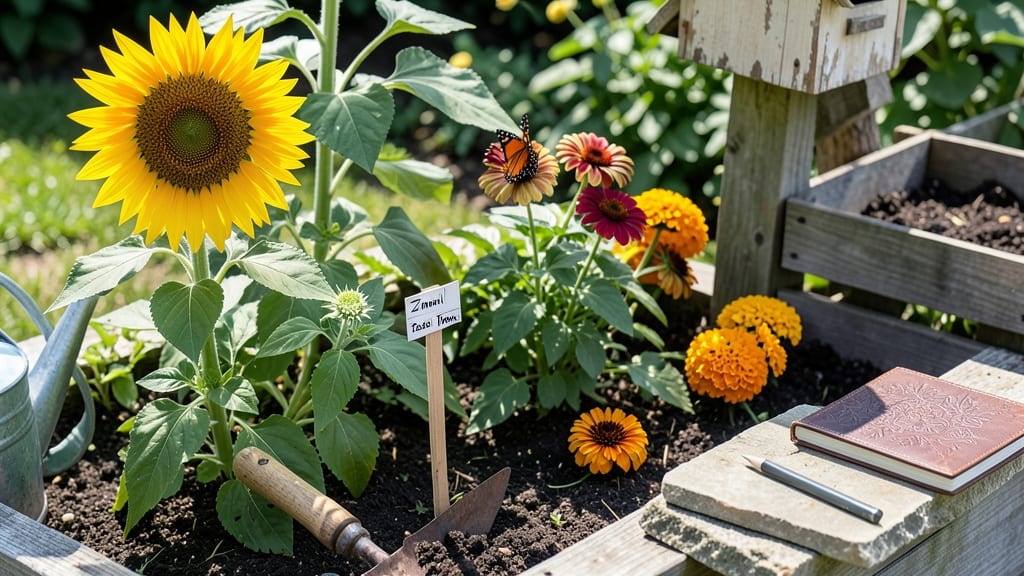
Some facts about gardening include how plants share nutrients through hidden fungal networks, compost naturally sterilizes soil through heat, and proper watering prevents root rot more effectively than drought tolerance. Sunlight exposure even alters flower pigmentation, with cooler morning light producing deeper reds while afternoon warmth enhances yellows.
These facts about gardening go beyond basic care—they explain why your tomato plants might suddenly thrive after adding compost or why certain flowers change color based on their light schedule. 🌱 The science behind these practices transforms gardening from guesswork into a predictable craft.
For example, the mycorrhizal fungi in your soil act like a root internet, sharing nutrients between plants, which is why some gardeners see dramatic improvements when they add fungal inoculants. Understanding these mechanisms lets you make smarter decisions about plant placement, soil amendments, and even pest control methods.
What's particularly fascinating is how these principles apply to everyday gardening challenges. Take mulching: it's not just about suppressing weeds—it creates a microclimate that retains moisture while regulating soil temperature. This simple technique can reduce watering needs by up to 30% while also preventing soil erosion.
The key is using the right materials: organic mulches like straw break down over time, adding nutrients, while inorganic options like gravel reflect heat and work better in hot climates.
💡 In This Article
- Science-Backed Plant Secrets Gardeners Overlook
- Pro Tips to Boost Your Garden’s Success Rate
Science-backed plant secrets gardeners overlook
Plants have an invisible communication system through mycorrhizal fungi, often called the "Wood Wide Web." These thread-like networks connect roots and allow plants to share nutrients, water, and even warning signals about pests or diseases.
For example, when a tree detects aphids, it can send chemical messages through the fungal network to neighboring plants, triggering their defenses. This symbiotic relationship explains why some gardeners see healthier plants when they add mycorrhizal inoculants—it boosts nutrient exchange by up to 30% in poor soils.
The chemistry of mulch goes beyond weed suppression. Organic mulches like wood chips break down slowly, releasing nutrients while creating a moisture-retaining barrier. This process also regulates soil temperature—keeping roots cooler in summer (10-15°F
The key is thickness: 2-4 inches of mulch provides optimal moisture retention while preventing soil erosion. Inorganic mulches like gravel work differently by reflecting sunlight and reducing evaporation, making them ideal for hot climates where organic mulch might decompose too quickly. Soil microbes play a crucial role in plant health that many gardeners overlook. Beneficial bacteria like Bacillus subtilis suppress harmful pathogens through antibiotic-like compounds, while nitrogen-fixing bacteria convert atmospheric nitrogen into plant-accessible forms. This microbial activity explains why composted soil often produces better results than fresh manure—it's teeming with these beneficial organisms. The pH level of your soil directly affects microbial activity: most plants thrive in slightly acidic soil (pH 6.0-7.0, with blueberries needing 4.5-5.5), while alkaline soils (pH >7.0) can lock out essential nutrients like iron and manganese. Light quality isn't just about intensity—it affects flower pigmentation through a process called photomorphogenesis. Red flowers develop deeper pigments when exposed to cooler morning light (blue spectrum), while yellow flowers thrive with warmer afternoon light (red spectrum). This explains why some flowers change color throughout the day. The timing of light exposure also influences plant growth patterns: 12-14 hours of daylight typically triggers flowering in most annuals, while shorter days stimulate bulb formation in plants like tulips. Understanding these light dynamics lets you position plants strategically for optimal color and growth. One surprising fact is how overwatering creates anaerobic conditions that suffocate roots. When soil stays waterlogged, beneficial aerobic microbes die off, and harmful anaerobic bacteria like Pythium thrive, causing root rot. The key is monitoring soil moisture: stick your finger 2 inches deep—if it feels dry, it's time to water. Drip irrigation systems deliver water directly to roots while minimizing evaporation, using 20-30% less water than overhead sprinklers. This targeted approach also reduces fungal diseases that spread through water droplets on leaves. Compost piles reach temperatures between 130-160°F during active decomposition, which kills weed seeds and pathogens while creating nutrient-rich humus. The process relies on a balance of carbon (browns like leaves) and nitrogen (greens like grass clippings) in a 30:1 ratio. Turning the pile occasionally adds oxygen, accelerating decomposition. This natural sterilization explains why compost improves soil health more than chemical fertilizers—it introduces beneficial microbes while improving soil structure. For gardeners, this means healthier plants with stronger root systems that can better withstand drought and disease.