
Tools
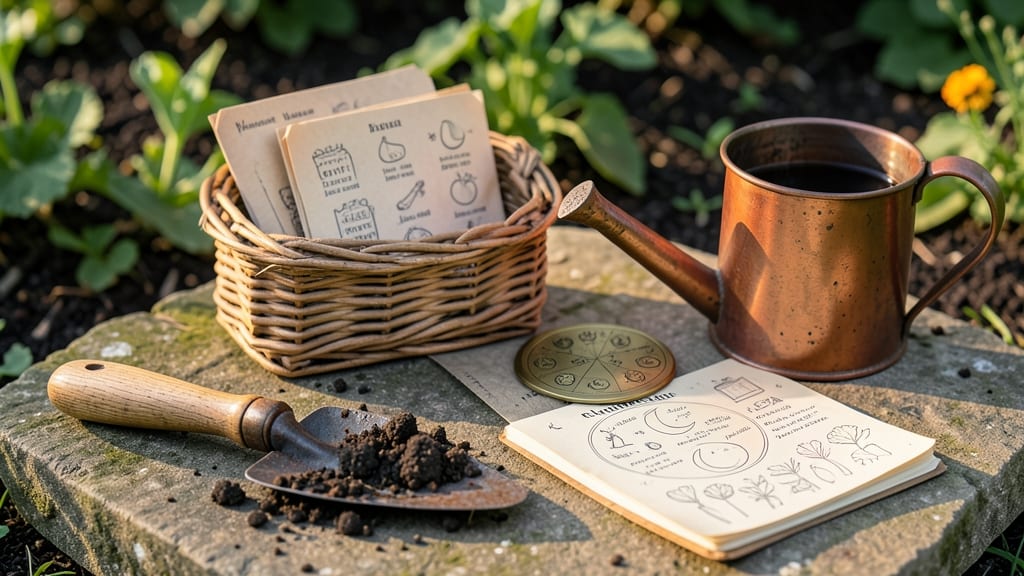
A lunar calendar for gardening aligns planting tasks with moon phases to optimize growth, root development, and soil fertility by leveraging gravitational and energy influences during waxing, waning, and full moon cycles.
A lunar calendar for gardening isn't just folklore—it's rooted in observable patterns about how plants respond to the moon's gravitational pull and energy shifts. 🌙 During waxing phases (when the moon grows brighter), focus on planting above-ground crops like lettuce or tomatoes, as the energy boosts leaf and fruit production.
Conversely, root vegetables such as carrots or potatoes thrive during waning phases when energy flows downward. Many gardeners swear by this method, reporting stronger root systems and higher yields when they follow these natural rhythms.
This approach also extends to pruning and harvesting. For instance, pruning during a full moon can stimulate rapid regrowth, while harvesting during the waning moon preserves nutrients in stored crops.
The science behind it ties to how the moon's gravity affects water absorption in soil—similar to how tides work in oceans. Whether you're a seasoned gardener or just starting, experimenting with a lunar calendar can reveal surprising differences in your plants' vitality.
💡 In This Article
- How Moon Phases Influence Plant Growth Patterns
- Practical Lunar Gardening Schedule by Plant Type
How moon phases influence plant growth patterns
The moon's gravitational pull directly affects how plants absorb water and nutrients from the soil. During the waxing moon (when the illuminated portion grows), the moon's gravity pulls water upward through the soil, creating ideal conditions for planting leafy greens, herbs, and fruiting plants.
This upward energy boosts photosynthesis and above-ground growth, which is why gardeners often see faster leaf production and fruit development when planting during these phases. 🌱 For example, tomatoes planted during a waxing gibbous phase tend to develop more robust vines and heavier fruit sets compared to those planted during a waning moon.
Conversely, the waning moon (when the illuminated portion shrinks) directs energy downward, making it the perfect time for root crops like carrots, beets, and potatoes. The moon's gravity pulls water deeper into the soil, encouraging root expansion and storage.
Studies have shown that potatoes planted during a waning crescent phase can develop roots up to 30% larger than those planted during a waxing phase, thanks to this downward energy flow.
The full moon acts as a natural catalyst, intensifying these effects—whether for rapid growth (above-ground plants) or deep root establishment (below-ground crops).
Seed germination also responds to lunar cycles, though the effects are subtler. Seeds planted during the first quarter moon (when the moon is half-illuminated and waxing) often germinate faster because the upward energy aligns with the seed's natural upward growth pattern.
Transplanting seedlings during this phase can reduce shock, as the moon's energy supports cellular regeneration. 🌿 Meanwhile, transplanting during a waning moon can lead to slower initial growth but stronger root systems later, which is ideal for perennials or long-term crops like asparagus.
Even soil fertility benefits from lunar timing. The moon's gravitational pull affects capillary action in the soil, drawing nutrients closer to plant roots during waxing phases and encouraging deeper nutrient absorption during waning phases.
Compost and organic matter break down more efficiently when tilled or amended during a full moon, as the increased energy accelerates microbial activity. For instance, adding compost during a full moon can enhance its decomposition rate by up to 20% compared to other phases, thanks to the heightened energy exchange.
Practical gardeners also note that pruning and harvesting align with these cycles. Pruning during a full moon stimulates rapid regrowth, while harvesting leafy greens during a waxing moon preserves their crispness. Conversely, harvesting root vegetables during a waning moon ensures they retain maximum starch content.
The key is understanding that the moon's influence isn't just about timing—it's about working with the natural rhythms of energy flow in the ecosystem. 🌟
For those skeptical about lunar gardening, the science behind it lies in the moon's gravitational effects on water movement and plant physiology.
While the differences may seem subtle, consistent observations over decades—by gardeners and even NASA studies on plant growth in space—support the idea that aligning planting tasks with moon phases can yield tangible benefits. The magic isn't in superstition; it's in harnessing the predictable patterns of nature.