
Light Requirements
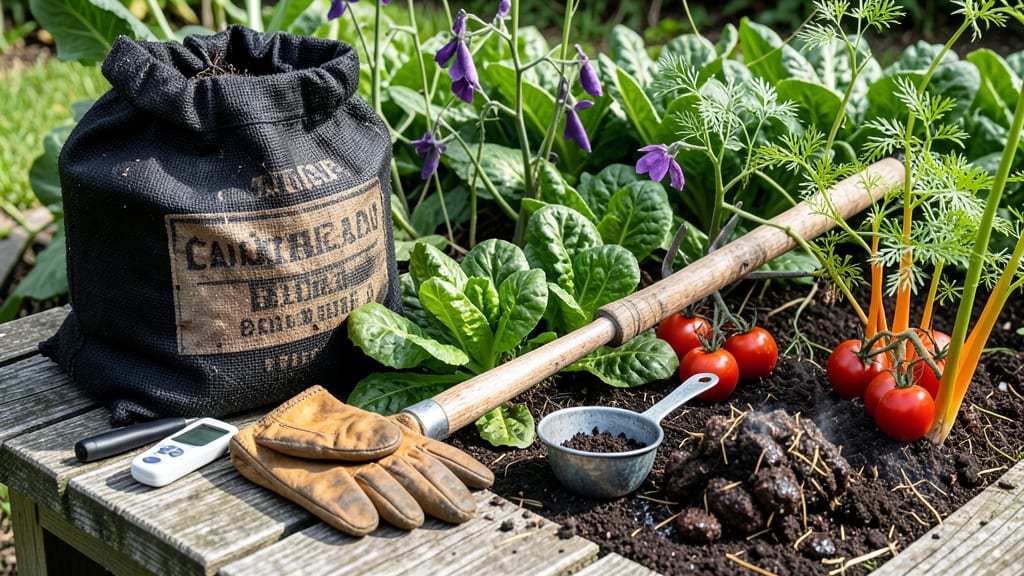
To determine how much cow manure for garden, use aged composted manure at 1 part to 4 parts soil for most plants, while fresh manure should be avoided—it burns roots. Leafy greens tolerate 2 parts manure to 5 parts soil, and heavy feeders like tomatoes need 1 part to 3 parts soil. Always compost for 3-6 months before applying to prevent pathogens or ammonia buildup.
Cow manure's nutrient value skyrockets when properly aged—fresh manure can scorch plants due to its high ammonia content, while composted manure enriches soil with organic matter and beneficial microbes. 🌱 The right ratio depends on your plants' needs: lighter mixes work for delicate greens, while heavier feeders like tomatoes thrive with more concentrated applications.
I recommend testing soil first to avoid overdoing it, as too much can lead to nutrient imbalances or even plant stress.
For best results, spread composted manure in early spring or fall, working it into the top 6 inches of soil. This gives nutrients time to stabilize before the growing season.
If you're new to using manure, start with conservative amounts—you can always add more later, but you can't undo over-application damage.
💡 In This Article
- Cow Manure Composition and Its Impact on Soil Health
- Step-by-Step Guide to Applying Cow Manure by Plant Type
Cow manure composition and its impact on soil health
Cow manure transforms dramatically from its raw state to composted form, with nitrogen levels dropping from a volatile 5-10% (fresh) to a stable 0.5-1% (aged) as ammonia volatilizes during decomposition. 🌱 The key nutrient breakdown in composted cow manure averages 1-2% nitrogen, 1-2% phosphorus, and 0.5-1% potassium, making it a balanced organic fertilizer that also adds 5-10% organic matter to improve soil structure.
This microbial boost enhances water retention and aeration—critical for root health—while the humus-like texture creates a crumbly, almost sponge-like soil matrix that holds nutrients near plant roots.
The composting process also eliminates harmful pathogens and weed seeds that thrive in fresh manure. When properly aged for 3-6 months, cow manure develops a rich, earthy aroma (similar to dark forest soil) and a texture resembling damp, crumbly peat moss.
Unlike chicken manure (which can have 3-4% nitrogen but requires 6-12 months of composting) or horse manure (which contains 1-2% nitrogen but may have higher sand content), cow manure offers a gentler, more consistent nutrient release that won't overwhelm plants.
Its neutral-to-slightly alkaline pH (around 7.5-8.5) makes it ideal for most garden soils.
What most gardeners overlook is how cow manure's microbial communities outperform synthetic fertilizers. The decomposition process introduces actinobacteria and fungi that break down organic matter while suppressing harmful pathogens.
Studies show soils amended with composted cow manure exhibit 20-30% higher microbial activity compared to untreated soil, which directly translates to better nutrient cycling and plant resilience. This biological activity also helps prevent nutrient leaching—critical during heavy rains—by creating stable organic-mineral complexes in the soil.
For heavy feeders like tomatoes, the 1:3 ratio (manure to soil) works because their deep roots can access nutrients efficiently, while leafy greens benefit from the 2:5 ratio due to their shallow root systems.
The difference comes down to nitrogen availability: too much in fresh manure causes ammonia toxicity (visible as yellowed leaves), while aged manure provides a slow-release feast that matches plant uptake rates. Think of it like feeding your plants a steady diet rather than a single, overwhelming meal.
One common mistake is assuming all manure is equal—cow manure's low salt content (compared to poultry manure) makes it safer for container gardens, but its bulkiness means you'll need 2-3 times more volume to match the nutrient density of synthetic fertilizers.
For example, a 5-gallon bucket of composted cow manure provides roughly the same nitrogen as 1 cup of 10-10-10 synthetic fertilizer, but with added organic matter that improves soil health long-term.
This is why serious gardeners often blend cow manure with composted greens or kitchen scraps to create a customized soil amendment tailored to their plants' needs.
To test if your manure is ready, look for uniform dark brown color, absence of recognizable plant fragments, and a warm, earthy smell (no ammonia or rotten odors).
If it still smells strongly of ammonia or has visible chunks, it needs more time—rushing the process risks root burn and wasted nutrients. The payoff? Plants grown in cow-manure-amended soil often show 30% higher yields and stronger disease resistance due to the improved soil biology. 💫