
Light Requirements
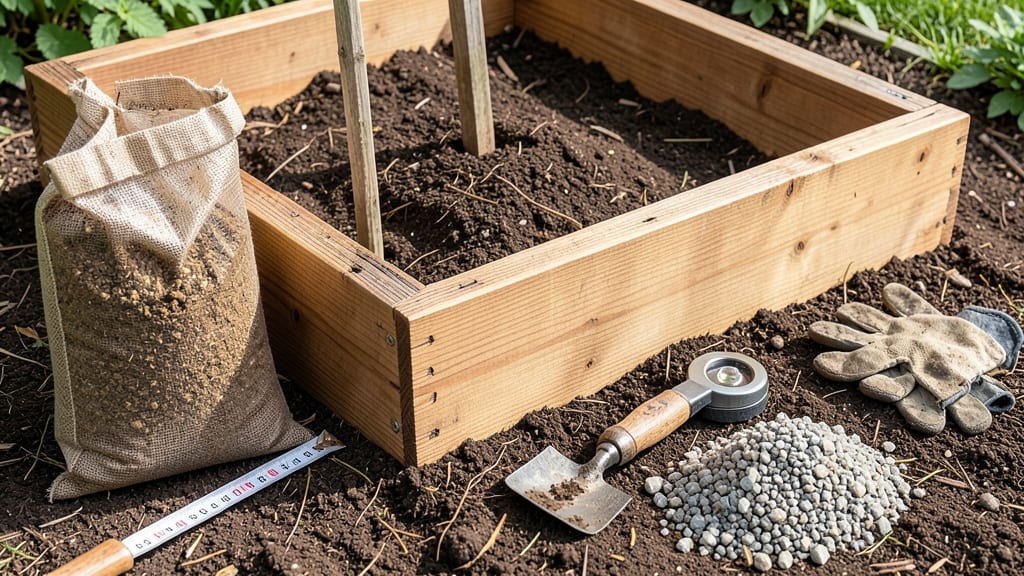
To determine how much soil for a raised garden bed, plan for 6 to 12 inches of soil—6 inches works for shallow-rooted plants like lettuce and herbs, while vegetables (tomatoes, peppers) and perennials need 10-12 inches. Fruit trees and large shrubs require at least 18+ inches. Always blend equal parts topsoil, compost, and perlite/sand for ideal drainage and fertility.
Soil depth isn't just about space—it's about creating the perfect root environment. 🌱 Shallow-rooted plants thrive in minimal depth because their roots spread horizontally, while deeper-rooted crops need extra space to establish strong structures.
I've found that adding a layer of landscape fabric at the bottom prevents weeds while letting water drain freely, which is especially helpful in raised beds where soil can dry out faster.
For custom beds, always calculate volume by multiplying length × width × depth (in feet), then convert to cubic yards for bulk purchases.
Pro tip: If your bed sits on grass or hard ground, add 2-3 inches of coarse gravel or wood chips at the base for better drainage. This extra layer can make all the difference in heavy clay soils or rainy climates.
💡 In This Article
- Optimal Raised Bed Soil Depth by Plant Type
- Calculating Soil Volume for Custom Raised Garden Beds
Optimal raised bed soil depth by plant type
Soil depth directly impacts a plant's ability to access water, nutrients, and stability. Shallow-rooted annuals like lettuce and herbs only need 6 inches because their roots spread horizontally within the topsoil layer, absorbing moisture quickly.
In contrast, vegetables like tomatoes and peppers develop taproots that need 10-12 inches to anchor deeply and store nutrients for fruit production. 🌱 The deeper the soil, the more room roots have to explore, which translates to stronger plants that withstand droughts and pests better.
Perennials and fruit trees require even more depth because their roots grow year-round and need to reach stable moisture levels below the frost line. A 18-inch depth allows roots to penetrate deeper, accessing groundwater during dry spells.
For example, blueberry bushes thrive with 12-18 inches of acidic, well-draining soil, while apple trees need 24+ inches to support their massive root systems. The science here is simple: deeper soil equals better aeration and microbial activity, which breaks down organic matter into plant-available nutrients.
Drainage is another critical factor tied to depth. Raised beds naturally drain faster than ground-level plots because they lack the surrounding soil compression. Adding 2-3 inches of coarse gravel or perlite at the base creates a drainage layer that prevents waterlogging while allowing roots to breathe.
This is especially important for plants like peppers, which rot if their roots sit in soggy conditions. The ideal soil mix—equal parts topsoil, compost, and perlite/sand—balances moisture retention with aeration, ensuring roots get both oxygen and hydration.
Texture matters too. Sandy soils drain too quickly, while clay holds too much water. The 1:1:1 ratio of topsoil, compost, and perlite creates a loamy texture that mimics ideal garden soil. For instance, compost adds organic matter that improves water-holding capacity, while perlite prevents compaction.
This blend supports microbial life, which decomposes organic material and releases nutrients—think of it as a living ecosystem in your bed. 🌿 Without proper depth and texture, even the hardiest plants struggle to thrive.
Consider this comparison: a 4'x8' raised bed with 12 inches of soil holds about 1.33 cubic yards of mix. That’s roughly 1,000 pounds of soil—enough to feed a small family garden for a season.
For larger beds or heavy feeders like corn, plan for 18 inches of depth to support their aggressive root systems. The extra effort pays off in higher yields and healthier plants.
Pro tip: If you’re planting in layers (like strawberries on top with deeper veggies below), use a 6-inch layer for surface crops and add another 12 inches beneath.
This maximizes space while meeting each plant’s needs. The key is matching depth to root type—annuals need less, perennials need more, and trees need the most. 🌳