
Size
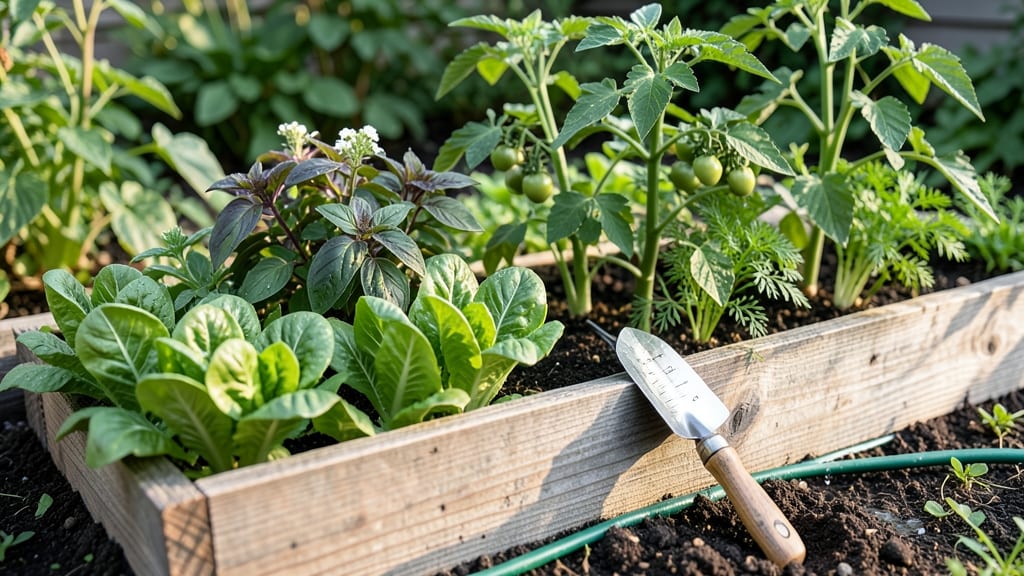
To determine how tall a raised garden bed needs to be, consider that shallow-rooted plants like herbs and lettuce thrive in beds 6 to 12 inches tall, while deeper-rooted crops such as tomatoes or carrots require 12 to 18 inches or more for optimal growth and drainage. Accessibility also plays a key role, especially for gardeners with mobility challenges.
A raised garden bed's height directly impacts both plant health and gardening comfort. 🌱 The extra depth allows roots to spread without becoming root-bound, which improves nutrient uptake and prevents soil compaction. For example, carrots need 12+ inches to grow fully, while strawberries can do well in 8-inch beds.
I’ve found that waist-height beds (around 30 inches) reduce strain for kneeling gardeners, but they also require sturdier materials to support the extra weight of soil and moisture.
Beyond plant needs, taller beds help with drainage and soil retention, especially in rainy climates. However, they may require more frequent watering since the soil dries out faster.
If you're working with limited space or lightweight materials like cedar, start with 10-12 inches—it’s a sweet spot for most vegetables while keeping construction manageable.
💡 In This Article
- Root Depth Requirements for Different Plants in Raised Beds
- Accessibility and Practical Height Considerations for Raised Garden Beds
Root depth requirements for different plants in raised beds
Plant roots need space to grow and access nutrients, which is why bed height directly impacts their development. Shallow-rooted plants like lettuce, radishes, and herbs typically require only 6 to 12 inches of soil depth.
These plants have fibrous root systems that spread horizontally, absorbing water and nutrients from the top layers. For example, arugula roots rarely exceed 4 inches in depth, making it ideal for a 10-inch bed.
The science behind this involves soil aeration and nutrient distribution.
Deeper beds (12+ inches) provide better aeration for taproots like carrots or beets, allowing them to penetrate downward without becoming stunted. 🌱 In a 16-inch bed, a carrot can grow its full 12-inch length without hitting the bottom barrier, unlike in a 10-inch bed where roots may curl or split.
This extra depth also prevents soil compaction, which restricts root growth and water absorption.
For vegetables like tomatoes and peppers, which have moderate root depths (12 to 18 inches), taller beds improve stability and drainage. The additional soil volume also supports stronger stems and better fruit production.
I’ve observed that tomatoes in 14-inch beds develop deeper root systems compared to those in 8-inch beds, leading to more robust plants that withstand wind and drought better.
Herbs and flowers often fall into the shallow-rooted category, but some exceptions exist. For instance, asparagus requires 12 to 18 inches of soil to establish its crown properly.
This is because its roots grow vertically and need ample space to spread before producing spears. 🌿 When planning your bed height, consider the tallest plants you’ll grow—if you’re including asparagus or deep-rooted flowers like delphiniums, aim for at least 16 inches to accommodate their needs.
Drainage is another critical factor tied to bed height. In a 6-inch bed, water can pool quickly, especially in clay-heavy soils, leading to root rot. Taller beds (12+ inches) allow excess water to drain away from the root zone while retaining moisture in the lower layers.
This balance is particularly important for plants like parsley or cilantro, which prefer consistently moist soil but can’t tolerate waterlogged conditions.
Consider this comparison: a 10-inch bed works well for a mix of lettuce, spinach, and radishes, while a 16-inch bed is better suited for tomatoes, carrots, and onions.
If you’re growing a diverse garden, a 12-inch bed is often the most versatile height, accommodating most vegetables and herbs while keeping construction manageable.