
Tools
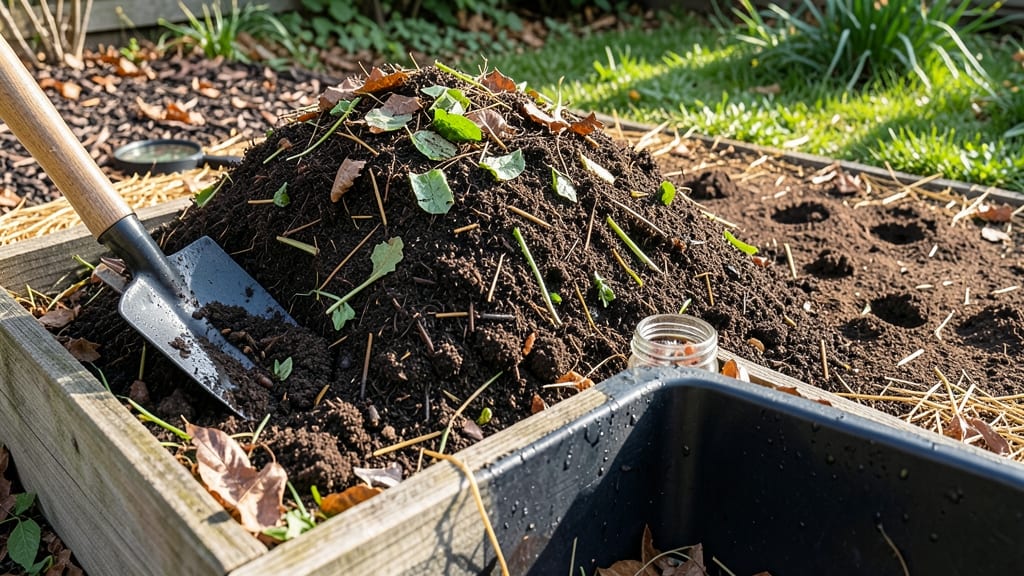
To attract earthworms to your garden, focus on enriching soil with organic materials like compost or leaf litter, maintaining consistent moisture, and avoiding synthetic chemicals. Create shaded spots with mulch or plant coverings to encourage their movement.
Earthworms thrive in nutrient-rich environments where soil is loose and teeming with microbial life. 🌱 By adding compost or leaf litter, you're essentially creating a buffet for them—these materials break down into food while improving soil structure.
The key is consistency: earthworms prefer damp but not soggy conditions, so aim for 1-2 inches of moisture in the topsoil. Avoiding harsh chemicals is critical, as their presence disrupts the delicate food web earthworms rely on.
For faster results, consider adding mulch or wood chips to create microhabitats that retain moisture and provide shelter. Planting cover crops like clover also works wonders—their roots create tunnels while adding organic matter when tilled in later.
The best time to start is during spring or fall, when temperatures are moderate and rainfall is steady, giving earthworms the ideal conditions to establish themselves.
💡 In This Article
- Science-Backed Soil Conditions Earthworms Need
- Practical Garden Adjustments to Lure Earthworms Fast
Science-backed soil conditions earthworms need
Earthworms are highly sensitive to soil chemistry, particularly pH levels between 6.0 and 7.0. This neutral-to-slightly-acidic range mimics their natural forest-floor habitats, where organic matter decomposes optimally. Their digestive systems thrive here because it allows beneficial microbes (like bacteria and fungi) to flourish alongside them.
Think of it like a balanced ecosystem: worms eat organic matter, microbes break it down further, and both processes release nutrients plants can absorb. 🌱
Their ideal soil also contains 5-10% organic carbon—this provides both food and energy. Compost or well-rotted manure delivers this perfectly, while synthetic fertilizers (especially nitrogen-heavy ones) disrupt their feeding patterns. Earthworms avoid disturbed soils because their tunnels—critical for aeration—get destroyed by tilling.
Instead, they prefer loose, crumbly textures where they can burrow effortlessly. This aeration isn't just for them; it improves water drainage and root growth for your plants.
Moisture is another critical factor—earthworms need soil that feels like a wrung-out sponge. Too dry, and they dehydrate; too wet, and they suffocate. Aim for 15-20% soil moisture by volume (measured by weight before/after drying a sample).
Mulch helps maintain this balance by slowing evaporation, while their tunnels create channels that distribute water evenly. This is why gardens with earthworms often have fewer watering needs—the worms' activity improves soil structure over time.
Temperature also plays a role: most species prefer 50-77°F (10-25°C). Below 40°F, they become sluggish, and above 86°F, they seek deeper, cooler layers. This is why spring and fall are prime seasons for attracting them—they're active but not stressed by extreme heat.
Their presence drops dramatically in compacted or chemically treated soils, as these conditions destroy their microbial food sources and disrupt their delicate moisture balance.
What most gardeners don't realize is how earthworms' tunneling benefits plants beyond nutrient cycling. Their burrows create tiny air pockets that improve oxygen flow to roots, reducing the need for synthetic aeration.
Plus, their castings (worm poop) are packed with nutrients like nitrogen, phosphorus, and potassium—often 5-10 times more concentrated than the surrounding soil. This is why gardens with active worm populations often produce healthier, more vigorous plants with fewer diseases.
For a visual cue, look for surface castings (small piles of dark, crumbly material) or the telltale "worm holes" after rain. These signs mean your soil conditions are already appealing to them.
The key is patience—it can take 3-6 months for significant populations to establish, but once they're there, they'll keep your garden thriving with minimal effort from you. 💫