
Tools
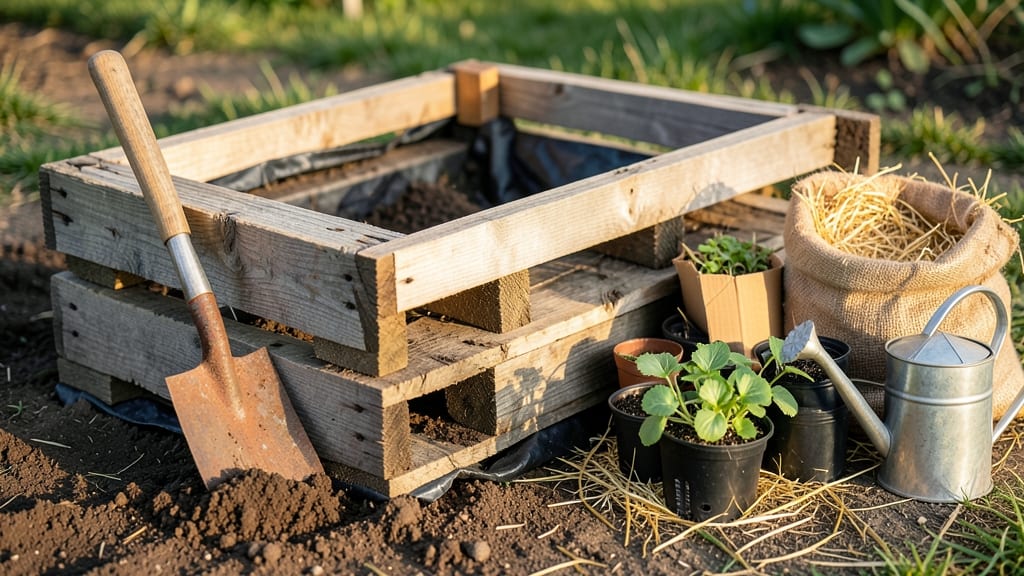
To make a cheap raised garden, use repurposed materials like untreated wood, cinder blocks, or bricks for borders, fill with a mix of topsoil and compost, and position in full sunlight for optimal plant growth. Avoid expensive lumber by sourcing free or low-cost alternatives from local suppliers or recycling centers.
Creating a budget-friendly raised garden starts with repurposing materials you already have or can find for free. 🌱 Old wooden pallets, cinder blocks, or even bricks from a construction site can form sturdy borders without the high cost of new lumber.
The key is balancing affordability with durability—untreated wood lasts longer than pressure-treated alternatives when properly sealed. I've built gardens using scrap lumber from hardware stores' "discount bins" for as little as $10-$20 total, and the results look just as professional as expensive kits.
Once you've built your frame, focus on soil quality to maximize plant health. A simple two-thirds topsoil to one-third compost mix works wonders for most vegetables, and you can often get free compost from local farms or community gardens.
Positioning your garden in full sun (at least 6-8 hours daily) ensures your plants thrive without needing extra nutrients. The beauty of this method is that it scales—whether you're working with a 4'x4' plot or a larger 6'x8' bed, the principles stay the same.
💡 In This Article
- Budget-Friendly Raised Garden Materials Breakdown
- Designing a Low-Cost Raised Garden Layout for Maximum Yield
Budget-friendly raised garden materials breakdown
When building a low-cost raised garden, the material you choose directly impacts both your budget and long-term success. Untreated cedar or pine planks are popular choices because they resist rot better than pressure-treated wood (which can leach chemicals into your soil).
A 4'x4' garden using 2x6 boards costs around $15-$25 if you source from local sawmills or discount lumber yards, while the same size in cinder blocks runs $30-$50—but blocks last decades and require no sealing. 🌿 For the absolute cheapest option, repurposed pallets (free from hardware stores or Craigslist) work, though you'll need to sand rough edges and check for chemical treatments.
The key to saving money is understanding material longevity and maintenance. Untreated wood needs annual sealing with food-safe linseed oil, while bricks or pavers require no upkeep but cost more upfront. Metal borders (like galvanized steel) are durable but expensive—expect $50-$100 for a 4'x4' frame.
I've found that mixing materials (e.g., brick corners with wood sides) cuts costs while adding visual appeal. Always measure twice: A 12" deep bed requires fewer materials than a 18" deep one, but deeper beds warm up slower in spring.
Sourcing matters just as much as the material itself. Check local "free" sections on Craigslist, Facebook Marketplace, or community boards for discarded lumber, bricks, or even old windows that can double as garden borders. Hardware stores often give away pallets or scrap wood if you ask nicely.
For soil, partner with nearby farms—they'll often give you free compost or manure in exchange for helping with cleanup. The upfront effort in finding these materials pays off in both cost savings and a garden that feels uniquely yours.
Consider your climate when choosing materials. In wet regions, cedar resists rot better than pine, while in dry areas, untreated wood may last longer without sealing. For urban gardens, metal or brick borders resist pests like termites that thrive in wood.
If you're working with limited space, vertical gardening with repurposed gutters or hanging pallets can maximize yield without expanding your footprint. The goal is to balance what's affordable with what will last—because nothing's cheaper than not having to rebuild your garden every few years.
Don't overlook the soil's role in cost-saving. Instead of buying bags of topsoil, mix 50% garden soil with 30% compost and 20% sand or perlite for drainage. This combination costs 30-50% less than pre-mixed garden soil while improving plant health.
For nutrients, use coffee grounds (free from local cafés) or eggshells crushed into the soil—both add minerals without breaking the bank. The right soil mix means your plants grow faster, reducing the need for expensive fertilizers later.
One often-overlooked cost-saver is the garden's location. Place it where it gets full sun (at least 6 hours daily) to maximize plant growth and minimize material needs—shady spots require more nutrients and water.
If your yard has slopes, build terraced beds using cinder blocks or rocks to prevent erosion and reduce the amount of soil needed. The right placement turns a simple project into a high-yield garden without extra spending. 💰