
Tools
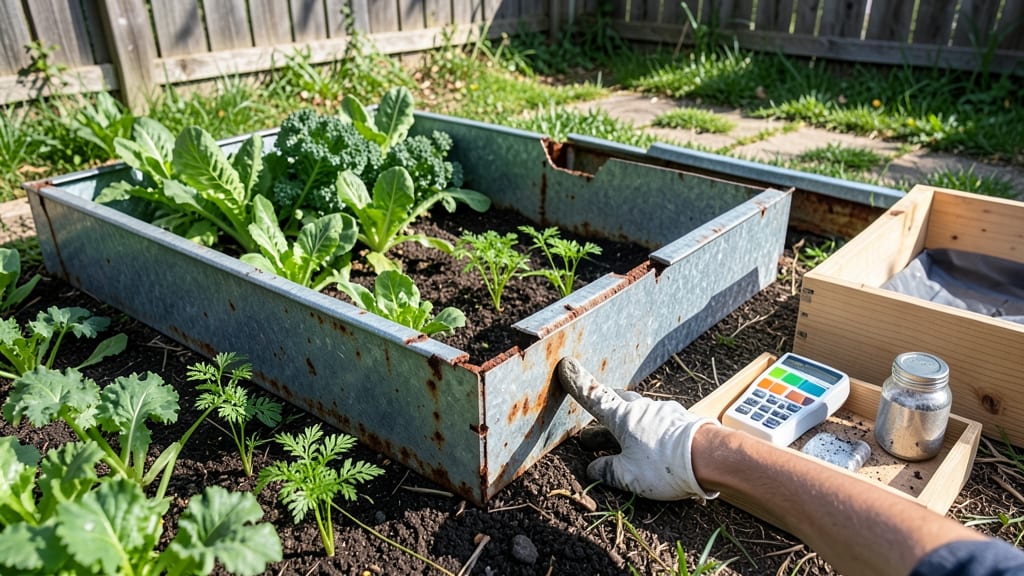
Galvanized steel is not safe for garden beds because its zinc coating leaches into soil over time, causing zinc toxicity in plants and potential soil contamination. Opt for uncoated steel, stainless steel, or alternative materials instead.
Galvanized steel's zinc coating may seem protective, but it actually poses serious risks to your garden.
When exposed to moisture and soil acids, the zinc gradually dissolves, seeping into the root zone and creating toxic levels for plants. 🌱 Even small concentrations can stunt growth, yellow leaves, or kill sensitive crops like beans and tomatoes.
The problem worsens in acidic soils where zinc solubility increases, turning your raised bed into a slow-release poison for your plants.
What many gardeners don't realize is that zinc toxicity doesn't just harm plants—it can also degrade soil quality over time. The leached zinc disrupts microbial activity and alters soil pH, making it harder for beneficial organisms to thrive.
This creates a vicious cycle where your soil becomes less fertile while your plants struggle to absorb essential nutrients like phosphorus and iron.
For a safer approach, consider alternatives like uncoated steel (with proper sealing), stainless steel, or even cedar and redwood lumber. These materials won't leach harmful chemicals while still providing the durability needed for long-term garden beds. The key is choosing materials that enhance rather than harm your growing environment.
💡 In This Article
- How Zinc Toxicity Affects Plant Growth and Soil Health
- Safe Alternatives to Galvanized Steel for Raised Garden Beds
How zinc toxicity affects plant growth and soil health
The zinc coating on galvanized steel isn't just a protective layer—it's a slow-release time bomb for your garden. When exposed to soil moisture and organic acids (like those from decomposing plant matter), the zinc undergoes a chemical process called electrochemical corrosion.
This creates zinc ions (Zn²⁺) that dissolve into the soil solution, becoming available for plant uptake. The problem escalates in acidic soils (pH < 6.5), where zinc solubility increases by up to 300% compared to neutral soils.
Once absorbed, excess zinc disrupts plant cellular functions by interfering with nutrient uptake, particularly phosphorus and iron. You'll notice early signs like interveinal chlorosis (yellowing between leaf veins) in broadleaf plants, followed by stunted growth and brittle stems.
Tomatoes and beans are especially sensitive—exposure to 100-200 ppm zinc (common near galvanized edges) can reduce yields by 40-60%. The toxicity works by binding to sulfur-containing enzymes, essentially suffocating the plant's metabolic processes at a cellular level.
Beyond direct plant damage, zinc buildup alters soil chemistry in damaging ways. Excess zinc suppresses beneficial microbes, including nitrogen-fixing bacteria and mycorrhizal fungi that help roots absorb water and nutrients. Over time, this creates a nutrient-depleted zone around the bed's edges where plants struggle to thrive.
The soil's cation exchange capacity also decreases, meaning it holds fewer essential nutrients like calcium and magnesium—critical for strong cell walls and enzyme function.
What makes this particularly insidious is how gradual the damage becomes. A 1/8-inch zinc coating on a standard galvanized bed can leach 0.5-1.5 grams of zinc per square foot annually in moist conditions.
While this may seem small, it accumulates over years, creating a toxic legacy that persists even after removing the metal. The half-life of zinc in garden soils can exceed 5-10 years, meaning your plants may suffer long after the initial installation.
Visual clues can help you identify zinc toxicity before it's too late. Look for stunted new growth with small, dark green leaves clustered near the stem—a classic symptom called "little leaf" syndrome. In severe cases, you might see necrotic spots on older leaves where zinc has accumulated to toxic levels.
The damage often starts at the bed's edges where zinc concentration is highest, then spreads inward as roots expand into contaminated soil zones.
For gardeners using galvanized materials, the key is monitoring soil pH regularly. Maintaining a slightly alkaline pH (6.5-7.0) reduces zinc availability by 60-70%, but this requires ongoing lime applications.
However, this band-aid approach doesn't solve the root problem—preventing zinc leaching in the first place through proper material selection is far more effective and sustainable.