
Pests
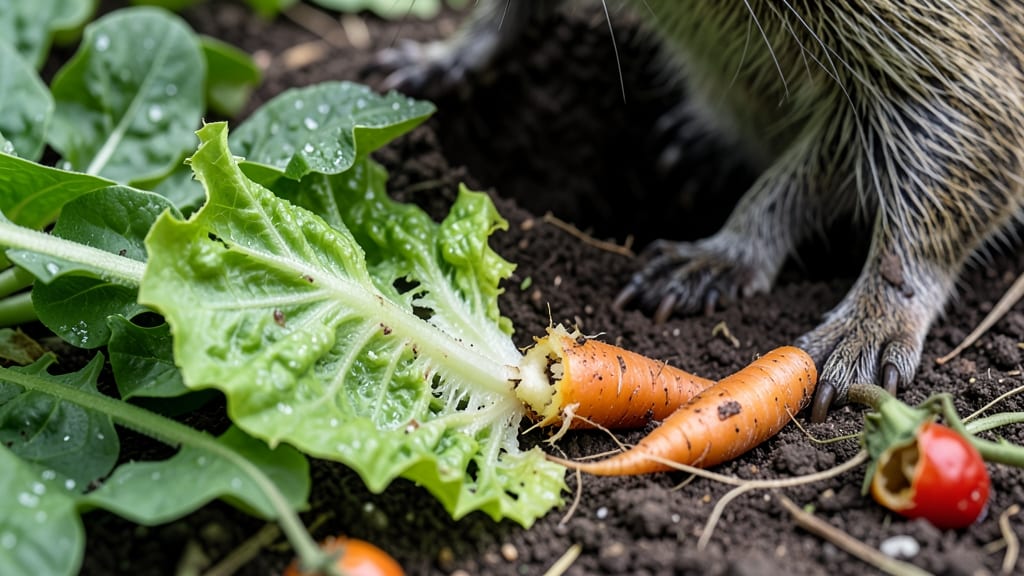
To prevent groundhogs from eating your garden, install a fence at least 3 feet deep using hardware cloth buried vertically. Use strong-smelling deterrents like predator urine, castor oil sprays, or motion-activated sprinklers for effective long-term protection.
Groundhogs—also called woodchucks—are notorious plant munchers with a particular fondness for tender shoots, roots, and vegetables. 🐿️ Their digging habits can also damage lawns and garden beds, making them more than just a nuisance.
The key to stopping them lies in understanding their behavior: they're most active at dawn and dusk, and their burrows can extend up to 15 feet long. Physical barriers like deep fencing work best because groundhogs are excellent climbers, but they can't dig through buried hardware cloth.
For chemical deterrents, castor oil-based sprays are particularly effective because their smell mimics natural predators.
If you're dealing with an existing burrow system, consider combining methods for maximum effectiveness.
Motion-activated sprinklers startle them away while wetting down their favorite snack spots, and predator urine (available commercially) creates the illusion of a territorial animal nearby. Pro tip: Reapply deterrents every 2-3 weeks, as their scent fades over time.
The goal is to make your garden less appealing than the surrounding wild areas where they'd rather forage.
💡 In This Article
- Why Groundhogs Target Gardens and How They Dig
- Best Physical and Chemical Barriers Against Groundhogs
Why groundhogs target gardens and how they dig
Groundhogs—those chubby, burrowing rodents—are drawn to gardens primarily because they're opportunistic herbivores with a taste for tender, nutrient-rich plants. Their diet consists of 68% vegetation, including roots, tubers, young shoots, and even bark.
The problem isn't just what they eat, but how they access it: groundhogs can dig 15 feet of tunnel in a single night, using their powerful front claws to create vertical shafts up to 3 feet deep. This explains why traditional above-ground fences fail—they simply dig underneath!
Their digging behavior is driven by both survival instincts and seasonal needs. In spring and summer, when gardens are lush with new growth, groundhogs target tender leaves and stems. 🌱 Their burrows often have multiple entrances, making them hard to locate.
What's fascinating is their burrow architecture: they create chambers lined with dry grass, which serves as insulation and nesting material. This means they're not just digging to eat—they're building semi-permanent homes near food sources, which is why a single garden can become a hotspot for multiple groundhogs.
Groundhogs are most active during dawn and dusk, which is why you might notice fresh damage at these times. Their eyesight is poor, but their hearing and sense of smell are acute—this is why strong odors like predator urine or ammonia work so well as deterrents.
The key insight is that they're not just random diggers; they're strategic foragers that learn which gardens offer the easiest meals. This is why combining physical barriers with repellents creates a multi-layered defense system that's much harder for them to overcome.
Here's what makes their digging so effective: groundhogs can move 1 cubic foot of soil per minute when motivated, and they often dig in a zigzag pattern to confuse predators. Their burrows can extend up to 15 feet long with multiple exits, making them difficult to locate and seal.
This is why hardware cloth fencing must be buried at least 12 inches deep—any shallower, and they'll simply dig underneath.
The good news is that their burrowing patterns are predictable: they prefer loose, well-drained soil where digging is easier, which is why sandy or loamy garden beds are high-risk areas.
Understanding their seasonal activity is crucial too. Groundhogs become most aggressive in late spring through early fall, when gardens are at their most vulnerable with fresh growth. During winter, they hibernate, but their burrows remain active as shelter.
This means if you're dealing with groundhog damage in summer, the same burrows might reappear next spring unless you take preventive measures. The combination of their digging power, seasonal activity, and food preferences explains why they're such persistent garden pests—and why a single solution rarely works long-term.
What most gardeners don't realize is that groundhogs often work in family groups. A single adult might have 2-4 offspring that also dig and forage, creating a compound effect on your garden.
This is why treating the problem as a solitary animal issue often fails—you need to account for the entire colony's behavior. The solution lies in understanding that groundhogs are both foragers and builders, which is why effective deterrents must address both their food motivation and their burrowing instincts.