
Tools
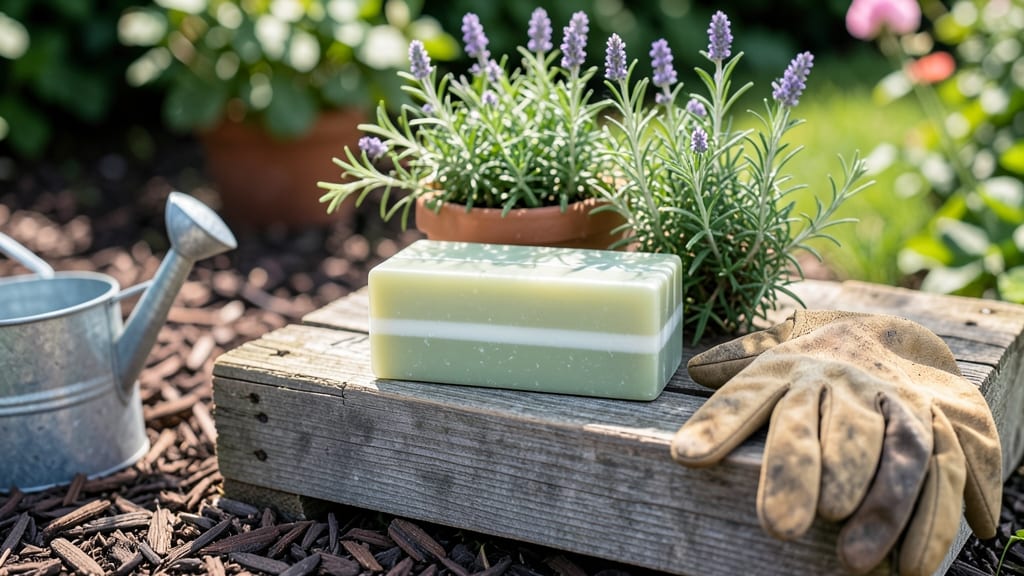
Irish Spring soap in the garden can deter pests like aphids, slugs, and snails when diluted properly, but it may harm beneficial insects and soil microbes if overused. Always test on a small plant area first.
Irish Spring soap works as a natural insecticide because its high pH disrupts the waxy protective layers on pests' bodies, causing dehydration. 🌿 The soap's potassium salts and saponins break down cell membranes, which is why it's effective against soft-bodied insects like aphids and slugs.
However, this same mechanism can harm bees and ladybugs if sprayed directly on flowers or during peak pollination hours.
For best results, mix 1 tablespoon of Irish Spring soap with 1 quart of water in a spray bottle, and apply only to the undersides of leaves where pests hide.
Early morning applications reduce sun exposure risks to plants, while avoiding windy days prevents drift that could harm nearby beneficial insects. Always spot-test on a hidden leaf first—some plants, like tomatoes and peppers, tolerate it better than delicate flowers.
💡 In This Article
- How Irish Spring Soap Works as a Natural Pest Repellent
- Safe Garden Plants and Application Tips for Irish Spring Spray
How Irish Spring soap works as a natural pest repellent
The effectiveness of Irish Spring soap as a garden pest repellent comes down to its unique chemical composition. This soap contains high concentrations of potassium salts and natural saponins, which are surfactant compounds that break down the protective waxy layers on insects' exoskeletons.
When sprayed on aphids, mites, or slugs, these compounds create tiny pores in their protective coatings, leading to rapid dehydration and death within hours. This mechanism is similar to how dish soap works on grease, but targeted specifically at soft-bodied garden pests.
The soap's high pH level—typically around 9-10—plays a crucial role in its effectiveness. Most garden pests have exoskeletons that maintain a slightly acidic environment, and this alkaline disruption creates an immediate stress response.
For comparison, a 1 tablespoon per quart dilution creates a solution with a pH of about 7.5, which is strong enough to deter pests but less harmful to most plants. However, concentrated applications can damage plant leaves by stripping their natural waxes, leading to brown spots or curling.
What sets Irish Spring apart from other homemade sprays is its balanced formulation. Unlike pure castile soap (which can be too harsh) or neem oil (which requires precise timing), Irish Spring's mild yet effective ingredients make it a middle-ground option.
The soap's glycerin content also adds slight stickiness, helping the solution adhere better to leaf surfaces where pests congregate. This makes it particularly effective against aphids and whiteflies, which thrive on the undersides of leaves where they're protected from wind and rain.
However, this same mechanism that harms pests can also affect beneficial insects. Bees and ladybugs have delicate respiratory systems that can be damaged by soap residue, especially when applied during their active foraging hours (typically between 10 AM and 4 PM).
The soap's potassium salts can also disrupt soil microbial communities if used excessively, particularly in compost piles or near root zones where beneficial bacteria and fungi thrive.
For optimal results, always use a 1:24 dilution ratio (1 tablespoon per quart) and apply only when pests are actively present. The soap works best as a contact pesticide—meaning it must make direct contact with the pest to be effective.
This is why targeting the undersides of leaves and early morning applications (before bees are active) are critical. The solution should be applied until leaves are thoroughly wet but not dripping, as excess moisture can promote fungal growth in humid conditions.
One common misconception is that Irish Spring soap provides residual protection. In reality, its effects last only about 24-48 hours before needing reapplication, as rain or dew will wash it away.
For persistent infestations, consider alternating with other organic methods like introducing beneficial nematodes or planting companion plants like marigolds that naturally repel pests.