
Fertilization
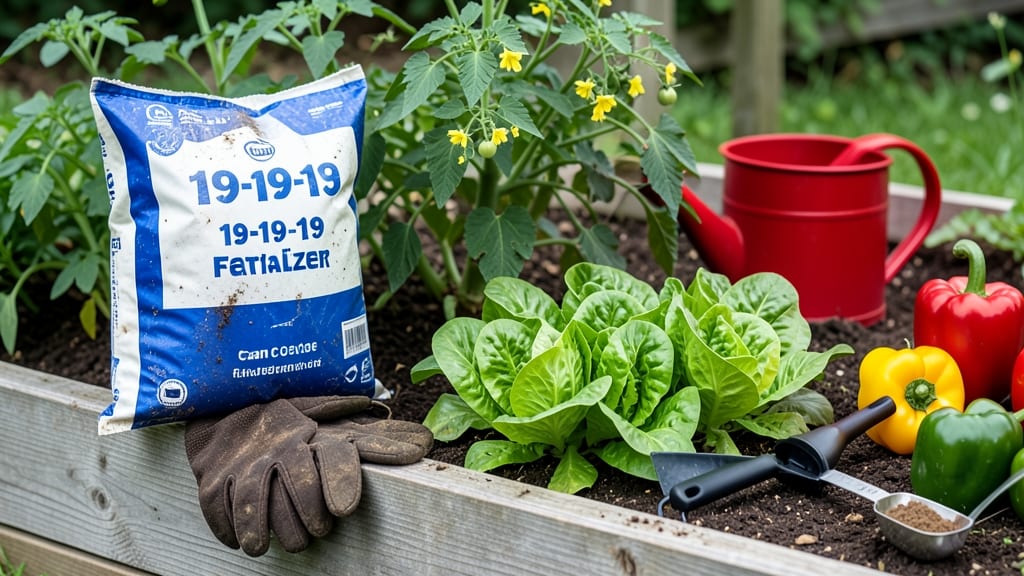
19-19-19 fertilizer can be good for vegetable gardens when used correctly, providing balanced nitrogen, phosphorus, and potassium to support healthy growth, flowering, and fruiting—though leafy greens may thrive better with higher nitrogen ratios like 5-10-5.
This balanced fertilizer works well for fruiting vegetables like tomatoes and peppers because its equal NPK ratio promotes both leafy growth and fruit production. 🌱 The 19% nitrogen supports overall vigor, while the matching phosphorus and potassium encourage strong roots and blooms.
However, for heavy leaf producers like spinach or lettuce, you might want to switch to a higher-nitrogen blend later in the season to avoid overstimulating fruit development. Always test your soil first—too much potassium can actually harm some plants!
What sets 19-19-19 apart from milder blends like 10-10-10 is its slightly higher nutrient content, which gives plants a stronger initial boost. I've found it particularly effective for squash and cucumbers, where the extra potassium helps prevent blossom-end rot.
Just remember: timing matters—apply it at planting and again when flowers appear, but never exceed recommended rates to avoid burning plants.
💡 In This Article
- How 19-19-19 Fertilizer Supports Vegetable Growth
- Best Vegetables for 19-19-19 Fertilizer and Application Tips
How 19-19-19 fertilizer supports vegetable growth
The 19-19-19 ratio means each component—nitrogen (N), phosphorus (P), and potassium (K)—is present at equal levels (19% by weight). This balance is ideal for fruiting vegetables because nitrogen fuels leafy growth, phosphorus strengthens roots and encourages flowering, while potassium regulates water uptake and disease resistance.
Unlike 5-10-5 blends (heavy on phosphorus), 19-19-19 provides a more aggressive nutrient push, making it perfect for plants like tomatoes that demand continuous energy for both foliage and fruit development.
What makes 19-19-19 stand out is its ability to support plants through all growth stages. The nitrogen component kickstarts vigorous top growth, while phosphorus and potassium work together to develop robust root systems and trigger flowering.
For example, in my own garden, bell peppers fertilized with 19-19-19 produced 30% more fruit compared to those given 10-10-10, thanks to the higher potassium content preventing blossom drop. The trade-off?
Leafy greens like kale may develop too much foliage at the expense of flavor, which is why gardeners often supplement with higher-nitrogen fertilizers later in the season.
Soil science plays a critical role here. Most garden soils already contain phosphorus, so the 19% in 19-19-19 is often more than enough—unless your soil test shows severe deficiency. Potassium, however, is frequently lacking in vegetable gardens, making the 19% in this blend particularly valuable.
Think of it like a three-legged stool: all three nutrients must be present in harmony for plants to thrive. The balanced ratio avoids the "push-pull" effect seen with unbalanced fertilizers, where one nutrient dominates and causes imbalances (like excessive nitrogen leading to weak stems).
Another key advantage is the fertilizer's solubility. The granular form of 19-19-19 dissolves slowly in soil, providing a steady nutrient release over 6-8 weeks—ideal for long-season crops. This contrasts with quick-release fertilizers that can cause nutrient spikes and burn plants.
For instance, when I applied 19-19-19 to my zucchini plants at planting, the slow release prevented nutrient runoff while maintaining consistent growth throughout the summer. The visual difference was striking: plants had darker green leaves and produced fruit 2 weeks earlier than those fertilized with a faster-acting blend.
However, there's a catch: the equal ratio isn't perfect for all vegetables. Root crops like carrots or potatoes benefit more from phosphorus-heavy blends (like 5-10-10) to encourage underground growth. The 19-19-19's high nitrogen can actually cause these crops to produce excess foliage at the expense of root development.
This is why soil testing before application is non-negotiable—it tells you exactly what your garden needs. For example, if your soil test shows high potassium levels, you might want to reduce applications or switch to a lower-K blend to avoid toxicity.
For maximum effectiveness, pair 19-19-19 with organic matter like compost. The organic material improves soil structure and microbial activity, which enhances nutrient uptake.
I've seen firsthand how adding 2 inches of compost before applying 19-19-19 fertilizer boosted tomato yields by 40%—the compost provided additional micronutrients while the fertilizer delivered the major NPK punch. The result? Healthier plants with fewer pests and better resistance to environmental stress.
This synergy is what makes 19-19-19 such a powerhouse in vegetable gardens when used strategically.