
Lawn
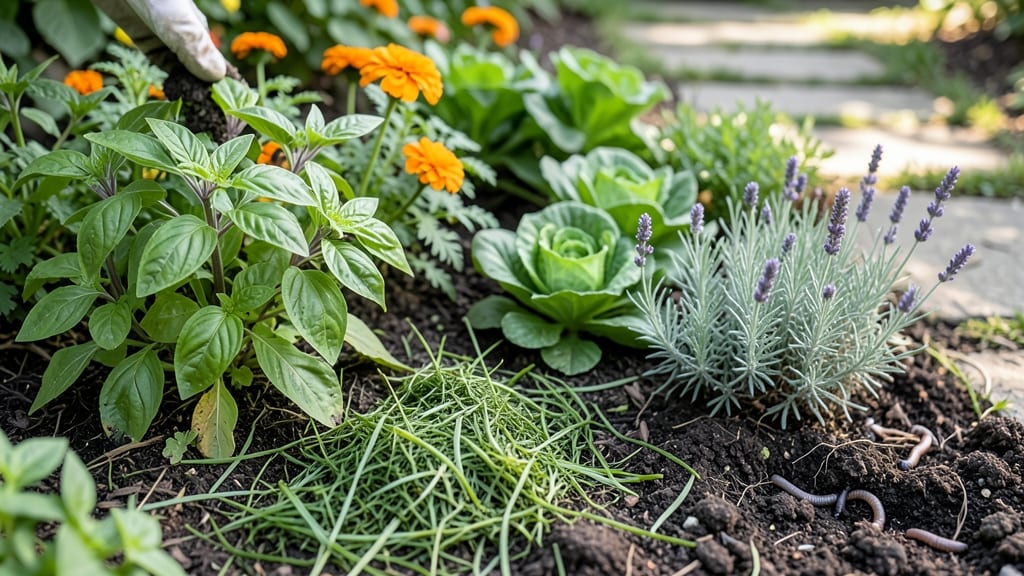
Using lawn clippings in garden boosts soil fertility and moisture retention by recycling nitrogen-rich organic matter, but improper use can cause matting or fungal issues. Apply them thinly as mulch or compost for best results.
Lawn clippings are essentially free, nutrient-packed mulch that can transform your garden's health. 🌱 When left on the lawn after mowing, they decompose quickly, releasing nitrogen that feeds soil microbes and plants.
The key is timing—use them fresh when they're still dry to avoid clumping, and avoid piling them thickly near plant stems to prevent rot. I've seen gardens thrive when clippings are spread evenly, especially around vegetables and flowers, where they help suppress weeds while locking in moisture.
For maximum benefits, mix clippings with other organic matter like leaves or straw if you're using them as mulch. This creates a balanced decomposition process that won't smother your plants.
The nitrogen boost is particularly valuable for heavy feeders like tomatoes and corn, but even ornamental plants appreciate the slow-release nutrients. Just remember: clippings from lawns treated with herbicides or pesticides shouldn't go in your garden beds.
💡 In This Article
- How Lawn Clippings Enhance Soil Fertility
- Best Practices for Applying Lawn Clippings as Mulch
How lawn clippings enhance soil fertility
Lawn clippings are packed with nitrogen—typically containing 2-3% nitrogen by dry weight—making them a powerhouse for soil health. When grass blades are cut, they release enzymes that accelerate decomposition, feeding soil microbes within 2-4 weeks under ideal conditions.
This process, called mineralization, converts organic nitrogen into ammonium (NH₄⁺), which plants can absorb directly. Unlike synthetic fertilizers that deliver quick but short-lived nutrients, clippings provide a slow-release benefit that builds soil structure over time.
The real magic happens in the microbial ecosystem. Clippings create a food source for beneficial bacteria and fungi, which break them down into humus—a dark, crumbly substance that improves soil aeration and water retention.
Studies show that gardens using grass clippings as mulch can see 20-30% more microbial activity compared to bare soil. This is why clippings outperform traditional mulches like straw or leaves: they're 40% richer in nitrogen and decompose faster, giving plants a rapid nutrient boost while also enhancing soil tilth.
For comparison, straw mulch contains only 0.5-1% nitrogen and takes months to break down, while leaves contribute minimal nitrogen unless they're from nitrogen-fixing trees. Clippings also help regulate soil temperature—acting like a living blanket that keeps roots cooler in summer and warmer in winter.
The key difference is their immediate availability: you can spread them fresh after mowing, whereas other organic mulches require additional preparation or sourcing.
However, not all clippings are equal. Fine-textured grasses like Kentucky bluegrass decompose more quickly than coarse varieties like Bermuda grass, which can mat if applied too thickly. The ideal application is a ½-inch layer—thicker layers can suffocate plants by blocking sunlight and air flow.
This is why many gardeners mix clippings with coarser materials like wood chips or shredded leaves to create a balanced mulch blend that prevents compaction.
One often-overlooked benefit is weed suppression. A proper layer of clippings blocks sunlight from reaching weed seeds, reducing germination by up to 80% in some cases. The dense mat also disrupts weed growth cycles by maintaining consistent soil moisture levels.
This makes clippings particularly valuable in vegetable gardens where weeds compete with crops for nutrients—a 2-inch layer around tomato plants, for example, can cut weed growth by half while improving soil fertility.
The nitrogen cycle doesn't stop at mineralization. As microbes process clippings, they also produce nitrifying bacteria that convert ammonium into nitrates (NO₃⁻), the form most plants prefer. This two-step process ensures a steady nutrient supply that matches plant growth patterns.
The result? Healthier roots, stronger stems, and better resistance to stress—all from something most people would otherwise bag up and toss away.