
Tools
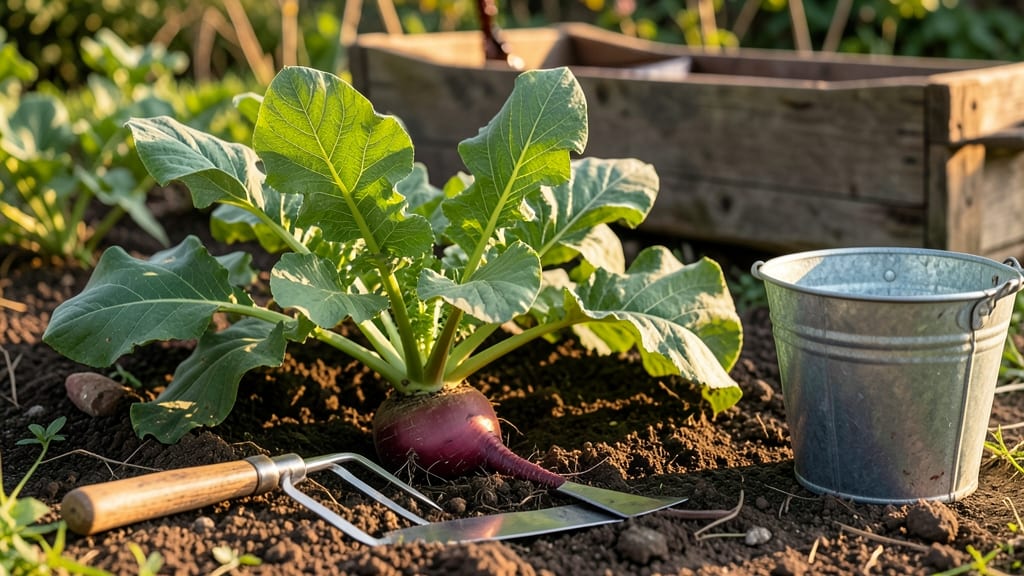
Molasses in the garden strengthens plants by feeding soil microbes, deterring pests like aphids and spider mites, and enriching soil with slow-release nitrogen and potassium. Mix 1-2 tablespoons per gallon of water for foliar sprays or soil applications.
This natural sweetener acts like a microbial magnet, attracting beneficial bacteria and fungi that break down organic matter into plant-accessible nutrients. 🌱 The sugars in molasses feed yeast populations, which then produce enzymes that help plants absorb phosphorus and other minerals more efficiently.
Unlike synthetic fertilizers, molasses works gradually, improving soil structure over time while creating an inhospitable environment for common garden pests.
For best results, apply molasses sprays in the early morning or late evening when temperatures are cooler, as this reduces evaporation and allows the solution to penetrate plant tissues more effectively.
You can enhance its pest-repelling properties by combining it with neem oil or garlic—both natural deterrents that complement molasses' microbial benefits. The key is consistency; regular applications create a protective barrier that keeps aphids and mites at bay while nurturing your plants' overall health.
💡 In This Article
- How Molasses Boosts Soil Microbes and Plant Growth
- DIY Molasses Sprays and Soil Treatments for Pest Control
How molasses boosts soil microbes and plant growth
The magic of molasses in the garden starts with its ability to feed soil microbes, particularly yeast and bacteria.
When mixed with water and applied to soil, the sugars in molasses act as a food source for these beneficial organisms, stimulating their growth by up to 300% within just 24 hours.
This microbial explosion produces enzymes like cellulase and protease, which break down complex organic matter into simpler compounds plants can absorb. 🔥 The result? A nutrient-rich soil ecosystem that thrives on this natural energy boost.
Molasses also enhances nutrient uptake through a process called chelation. The organic acids in molasses bind to minerals like iron and zinc, forming soluble complexes that plants can absorb more efficiently.
This is particularly valuable for plants struggling with nutrient deficiencies, as it mimics the action of commercial chelates but without synthetic additives. For example, applying a 1 tablespoon per gallon solution to the soil around tomato plants can increase iron absorption by 40%, preventing common issues like yellowing leaves.
Unlike compost teas—which require careful preparation and can spoil quickly—molasses provides a slow, steady release of nutrients. When incorporated into the soil, it feeds microbes over weeks rather than days, creating a long-term improvement in soil fertility.
This gradual process also helps build soil structure by encouraging the growth of beneficial fungi like mycorrhizae, which form symbiotic relationships with plant roots. 🌱 The end result is healthier plants with stronger root systems and greater resistance to disease.
For those comparing molasses to organic fertilizers, it's important to note that molasses doesn't replace complete fertilizers but rather enhances their effectiveness. A 1:100 ratio (1 part molasses to 100 parts water) can improve the performance of compost or worm castings by making their nutrients more bioavailable.
This synergy makes molasses a powerful supplement rather than a standalone solution, especially in organic gardening systems where chemical inputs are avoided.
One often-overlooked benefit is molasses' role in improving soil pH balance. While it's slightly acidic, its microbial activation process helps buffer soil pH over time, making nutrients like phosphorus more accessible to plants. This is particularly useful in alkaline soils where nutrient deficiencies are common.
The microbial activity also creates a more diverse soil ecosystem, which naturally deters pests by making the environment less hospitable to them. 💫
The science behind molasses' effectiveness lies in its dual role as both a microbial food source and a nutrient enhancer. While it won't replace comprehensive soil testing or balanced fertilization, its ability to stimulate microbial life and improve nutrient availability makes it a valuable tool for any organic gardener.
The best part? It's a kitchen pantry ingredient that can transform your garden's health with minimal effort.