
Tools
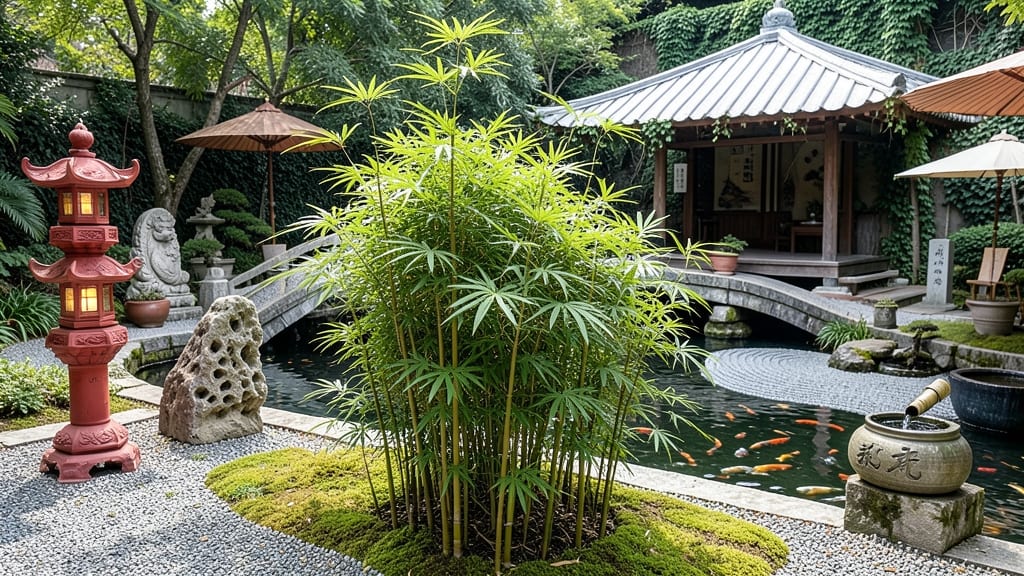
NYC’s Chinese Scholar’s Garden is a must-visit for its tranquil pavilions, koi ponds, and seasonal displays like spring plum blossoms. Plan ahead with timed entry tickets, arrive before opening to avoid crowds, and wander beyond the main paths to discover hidden rockeries and calligraphy exhibits.
This serene retreat in Manhattan embodies centuries-old Chinese garden design, where every element—from winding paths to moon gates—serves a purpose in creating harmony with nature. 🌿 The garden’s layout mirrors traditional scholar gardens, with carefully placed rocks symbolizing mountains and water features representing rivers.
What makes it unique is how these elements work together to evoke tranquility, a key principle in classical Chinese aesthetics.
Beyond the main attractions, the Moon Gate offers a quiet escape, while the scholar’s study provides insight into traditional Chinese calligraphy and ink painting. For the best experience, visit during cherry blossom season in April or the vibrant autumn foliage, when the garden’s colors transform dramatically.
Pro tip: Download the official map beforehand—many hidden gems, like the secluded rockeries, aren’t marked on standard tourist guides.
💡 In This Article
- Design Principles Behind NYC’s Chinese Scholar’s Garden
- Best Times and Hidden Spots for a Memorable Visit
Design principles behind NYC’s Chinese scholar’s garden
The garden’s layout follows Chinese classical aesthetics, where every feature—from winding paths to moon gates—serves a symbolic purpose. The yin-yang balance is evident in the interplay of open spaces (yang) and shaded pavilions (yin), creating a dynamic yet harmonious flow.
Rocks are strategically placed to mimic natural landscapes, with their irregular shapes representing mountains, while water features like the koi ponds symbolize rivers and lakes.
Plant selection reflects another key principle: seasonal harmony. The garden’s designers chose species that bloom at different times—plum blossoms in spring (symbolizing renewal), cherry blossoms in April (representing fleeting beauty), and autumn foliage (embodying transformation).
Even the bamboo and pine trees were selected for their year-round presence, providing structure and tranquility. The 1.5-acre space is designed so visitors can experience all four seasons without leaving the garden’s boundaries.
Bridges and gateways serve dual purposes: they guide visitors through the space while reinforcing the garden’s philosophical themes. The Moon Gate, for example, isn’t just an architectural feature—it’s a metaphor for transition and connection between different parts of the garden.
Similarly, the scholar’s study pavilion embodies the Confucian ideal of scholarly retreat, where calligraphy and ink painting exhibits reflect the garden’s role as both a physical and intellectual space.
Water management is another masterstroke. The koi ponds aren’t just decorative—they incorporate traditional Chinese water control systems that prevent stagnation while creating a serene auditory backdrop. The gentle sound of water flowing through the garden’s stone channels (about 12 inches wide) mimics natural streams, enhancing the meditative atmosphere.
This engineering approach ensures the garden remains a living ecosystem year-round.
Even the pathways tell a story. The curving stone paths (typically 3 feet wide) encourage slow exploration, while the straight sections near the entrance provide orientation. This deliberate design prevents visitors from feeling lost while reinforcing the garden’s theme of journey as discovery.
The materials—bluestone from New York and granite from China—were chosen for their durability and symbolic meanings.
What most visitors miss is how the garden’s scale enhances its impact. The 10-foot-tall pagoda at the center serves as a focal point, while the low stone walls (about 2.5 feet high) create intimate spaces.
This vertical layering allows visitors to experience both grand vistas and quiet corners in the same visit. The result is a space that feels both expansive and intimate—a hallmark of traditional Chinese garden design.