
Orchid Care
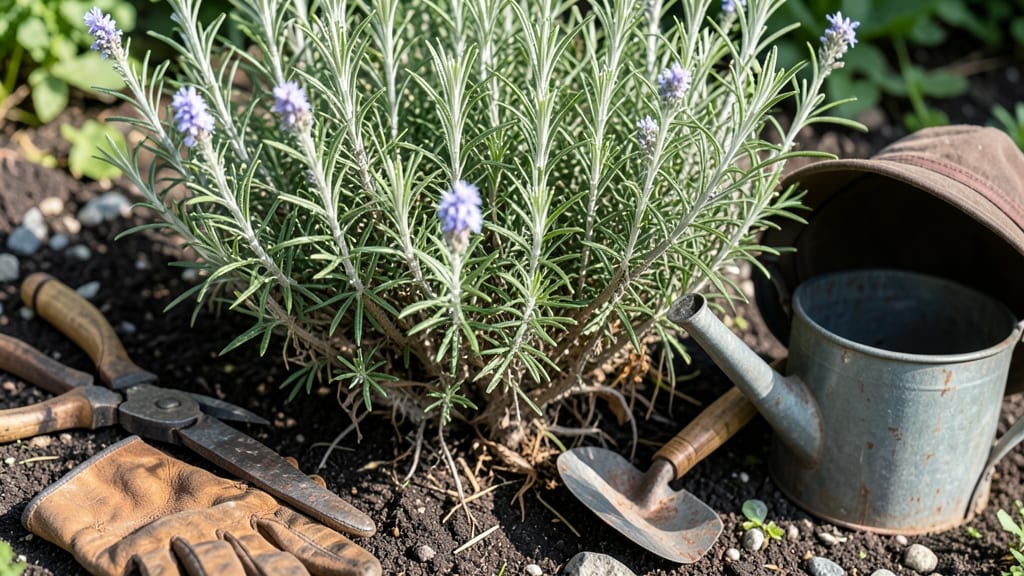
Caring for Old Man Gardener orchids means providing bright, indirect light, maintaining high humidity, and keeping the roots consistently moist without overwatering. Use well-draining media, trim faded blooms, and fertilize monthly during active growth to encourage vibrant, long-lasting flowers and extended plant life.
The Old Man Gardener orchid gets its name from its distinctive, velvety-textured blooms that resemble an old man's beard. 🌸 These plants are particularly sensitive to their growing conditions, so replicating their natural tropical habitat is key.
Unlike some orchids that tolerate lower light, these thrive best with morning sun and afternoon shade—think dappled sunlight through trees. The secret to their longevity lies in balancing moisture: let the top inch of media dry slightly between waterings, but never let the roots dry out completely.
This orchid's unique charm makes it a favorite among collectors, but its specific care requirements demand attention to detail.
One common mistake gardeners make is overwatering, which can lead to root rot and stunted growth. 💧 Instead of a rigid schedule, check moisture levels by inserting your finger into the media—if it feels dry, it's time to water.
For humidity, aim for levels between 50% and 70%, using a humidifier or pebble tray if your home environment is dry. The right balance of these factors transforms this orchid from a high-maintenance challenge into a stunning, long-lived centerpiece for your collection.
💡 In This Article
- Understanding Old Man Gardener Orchid Care Requirements
- Step-by-Step Guide to Reviving Wilted Old Man Gardener Blooms
Understanding Old Man Gardener orchid care requirements
The Old Man Gardener orchid's striking velvety blooms are a result of its specific botanical needs, particularly its light requirements. These orchids thrive under bright, indirect light, mimicking their natural habitat in tropical forests where sunlight filters through dense canopies.
The ideal light spectrum includes 400-700 nanometers (visible light), with a focus on the blue-green range (500-550 nm) that promotes photosynthesis without causing leaf burn.
Unlike hardy orchids like Phalaenopsis, which tolerate lower light, Old Man Gardener orchids develop weak stems and sparse blooms if deprived of sufficient light, while too much direct sun causes the leaves to yellow or scorch.
Root health is directly tied to moisture balance and media composition. These orchids prefer a well-draining mix of bark, sphagnum moss, and perlite (typically 50% bark, 30% moss, 20% perlite) that allows air circulation while retaining just enough moisture.
The roots themselves are velamen-covered, meaning they absorb water through their surface rather than relying solely on a root system like bulbs. When watered properly, healthy roots appear silver-green and firm, while overwatered roots turn mushy and black, signaling root rot.
Temperature fluctuations also play a critical role: a 10-15°F difference between day and night temperatures (e.g., 70-85°F days, 60-70°F nights) triggers blooming cycles, similar to how seasonal changes prompt flowering in many plants.
Humidity is another non-negotiable factor—Old Man Gardener orchids crave 50-70% humidity, far higher than typical household levels (often 30-50%). Low humidity causes the blooms to dry out prematurely and leaves to develop brown tips.
To achieve this, use a humidifier, place the plant on a pebble tray filled with water, or group it with other plants to create a microclimate.
The velvety texture of the blooms actually absorbs moisture from the air, so maintaining high humidity extends their lifespan from 2-3 weeks to 4-6 weeks. This is why these orchids are often called "long-lasting" in collections—they're not just pretty; they're built to endure.
Fertilizing monthly during active growth (spring and summer) provides essential nutrients without overwhelming the plant. A balanced 20-20-20 fertilizer diluted to half-strength ensures steady nourishment, while withholding fertilizer in fall and winter allows the plant to rest and store energy for next year's blooms.
The key here is consistency: sudden spikes in nutrients can lead to salt buildup in the media, which damages roots over time. Think of it like a slow-drip feeding system—steady and predictable, not erratic. 💧
Comparing Old Man Gardener orchids to other varieties highlights their unique demands. While Phalaenopsis orchids tolerate broader light ranges and lower humidity, Old Man Gardener orchids are more particular, akin to a diva in the orchid world.
Their blooms, with their textured, beard-like petals, are a direct result of these precise growing conditions. For example, a Cattleya orchid might bloom with less humidity, but its flowers lack the velvety depth of an Old Man Gardener.
This orchid's care requirements reflect its tropical origins—it's not just about keeping it alive; it's about replicating its natural environment to unlock its full potential.
One often-overlooked aspect is the role of airflow. These orchids need gentle movement of air (not drafts) to prevent fungal issues and encourage stronger growth. A small fan on low speed near the plant (but not directly blowing on it) mimics natural wind patterns in their forest habitat.
This subtle airflow helps regulate temperature and humidity around the plant, creating the ideal microclimate. The combination of these factors—light, moisture, humidity, temperature, and airflow—works synergistically to produce the lush, velvety blooms that make Old Man Gardener orchids so prized. 🌿