
Tools
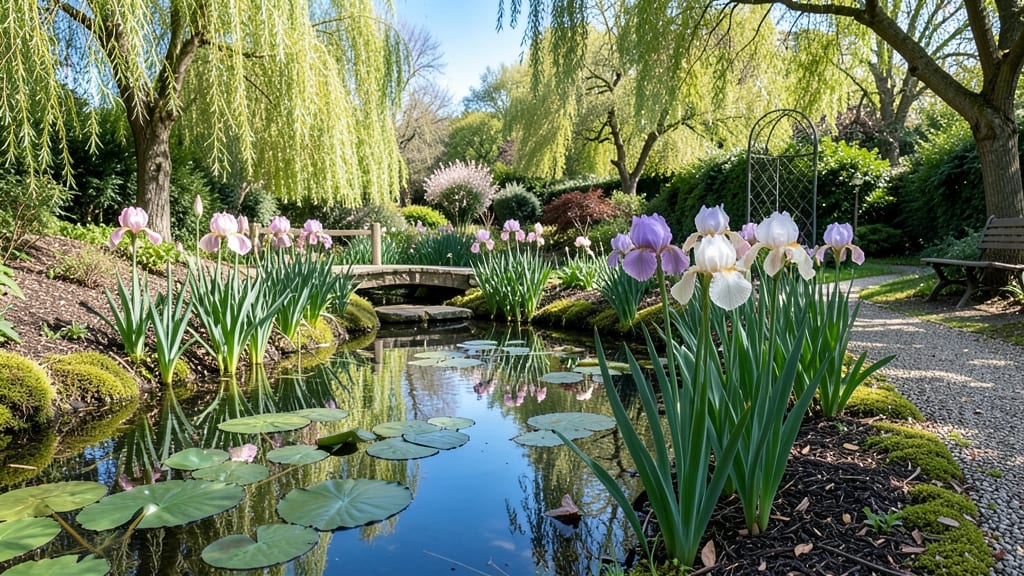
Monet’s garden pathways create dreamy transitions through winding curves, soft edges, and seasonal plantings that blur the lines between art and nature. His designs often used gravel, irregular stepping stones, or gently curving brick paths flanked by climbing roses and hydrangeas to evoke a painterly, ever-changing atmosphere.
Monet’s genius lay in how his pathways weren’t just functional but visual brushstrokes—designed to shift with the light and seasons. 🌿 The S-shaped curves in his paths at Giverny weren’t random; they mirrored the natural flow of water and plant growth, creating a sense of movement that invited lingering.
Unlike rigid geometric designs, these organic lines encouraged visitors to slow down and notice details, like how morning sunlight filtered through wisteria vines or how peonies would bloom along the edges in spring. The key was making every step feel like part of the painting itself.
What often gets overlooked is how textural contrast played a role—smooth gravel underfoot paired with rough bark mulch or mossy stones created a tactile experience that enhanced the visual.
Monet’s pathways weren’t just walkways; they were compositional elements that tied the garden’s changing scenes together, proving that even the most practical features could be pure poetry in motion.
💡 In This Article
- Monet’s Pathway Design Principles: Curves, Light, and Seasonal Flow
- DIY Monet-Inspired Pathway Materials and Plant Pairings
Monet’s pathway design principles: curves, light, and seasonal flow
Monet’s pathways weren’t just functional—they were deliberate compositions that guided visitors through a visual journey. The S-curves and gentle loops he favored weren’t arbitrary; they mirrored the natural meandering of rivers and the growth patterns of plants.
Studies of his garden at Giverny show paths rarely exceeded 3 feet in width, encouraging intimacy rather than hurried passage.
This width also allowed morning sunlight to dapple across the stones, creating ever-changing patterns that shifted with the sun’s arc—an effect Monet exploited in his paintings like Water Lilies.
The play of light was critical: Monet used irregularly shaped stepping stones (often limestone or sandstone) to break up reflections and scatter light into soft, shifting pools.
He avoided polished surfaces that would create harsh glare, instead opting for rough-hewn textures like moss-covered pavers or gravel that absorbed and diffused light.
The contrast between smooth gravel paths and the velvety foliage of hostas or the lacy leaves of ferns created a tactile rhythm that enhanced the visual experience. 💫
Seasonal interest was the third pillar—Monet’s pathways were never static. He planted wisteria along trellises that arched over paths in spring, their lavender blooms cascading like abstract brushstrokes.
In summer, hydrangeas (his favorite) would spill over edges, their blue and pink hues shifting with soil pH. Even in winter, bare branches of cherry trees or the arching forms of willows provided structure. This layering ensured every season offered a new "painting" to discover along the way.
Water features were often integrated subtly: shallow streams or stone-lined ponds bordered paths, their reflections creating vertical "mirror images" that Monet would later capture. The bridge-like structures he designed—like the Japanese bridge at Giverny—weren’t just crossings but focal points that framed views of the water lilies.
These elements worked together to dissolve the boundary between garden and painting, making every step an immersion in his artistic vision.
What’s fascinating is how these principles translate to modern gardens. For example, a 3-foot-wide gravel path with limestone slabs placed every 2-3 feet mimics Monet’s scale, while adding climbing clematis alongside roses creates that signature layered effect.
The key is imperfection: no two stones should be identical, and edges should have a soft, organic fade rather than sharp lines. This approach turns a simple walkway into a living canvas.
Even the scent plays a role—Monet often placed fragrant herbs like lavender near seating areas along paths, so visitors would experience the garden through multiple senses. The result? A pathway that doesn’t just connect spaces, but transforms the act of walking into an artistic experience.