
Tools
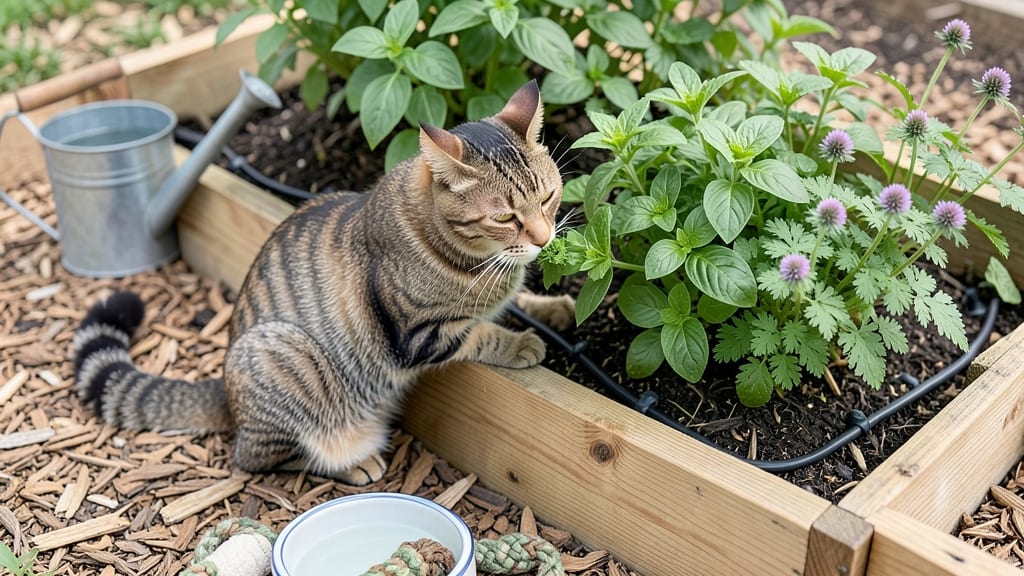
Having pets in the garden means choosing non-toxic plants, installing secure barriers, and using natural deterrents like thick mulch or prickly ground covers to discourage digging while keeping both your pets and plants safe.
Creating a pet-friendly garden starts with understanding what's safe for your animals. 🐾 Many common garden plants are toxic to pets—like lilies for cats or azaleas for dogs—so opting for alternatives like sunflowers, snapdragons, or cat grass gives you beauty without the risk.
Beyond plant selection, physical barriers like chicken wire buried shallowly or decorative fencing can prevent digging while maintaining a clean, organized space. I've found that raised beds with secure edges work wonders for keeping pets out of delicate plants while still allowing them access to the garden area.
The key is balance: you want your pets to enjoy the outdoors safely while protecting your garden investments. Natural deterrents like citrus peels or commercial pet repellents can help, but they should always be pet-safe.
For example, I use a mix of lavender and rosemary around my garden borders—they're pet-friendly, deter pests, and add a lovely fragrance. The goal is to create zones where pets can explore safely without turning your garden into a chew toy playground.
💡 In This Article
- Safe Garden Plants for Pets and Their Benefits
- Designing a Pet-Proof Garden Layout
Safe garden plants for pets and their benefits
When selecting plants for a pet-friendly garden, focus on varieties that are non-toxic to dogs, cats, and small animals while also serving functional purposes.
For example, catnip (Nepeta cataria) is completely safe for cats and doubles as a natural pest deterrent—its strong scent repels many insects while providing mental stimulation for feline companions. Similarly, sunflowers (Helianthus annuus) are non-toxic to dogs and their tall stems create visual barriers that discourage digging near garden beds.
The key is choosing plants with pet-safe properties that also contribute to garden health, like lavender (Lavandula), which deters fleas and ticks while adding fragrance.
The benefits go beyond safety—many pet-friendly plants have pest-repelling qualities that reduce the need for chemical treatments. Marigolds (Tagetes), for instance, contain pyrethrin compounds that naturally repel nematodes and aphids while being harmless to pets when ingested in small amounts.
Another excellent choice is basil (Ocimum basilicum), which deters mosquitoes and flies while providing a fresh, aromatic addition to your garden.
These plants create a self-sustaining ecosystem where pets can safely explore without harming the garden's delicate balance. 🌿 The texture of these plants also matters—soft, fuzzy varieties like lamb's ear (Stachys byzantina) are less likely to be chewed than sharp-edged plants.
For cats specifically, cat grass (Dactylis glomerata) is a must-have—it's not only safe but encourages natural grazing behavior, reducing the urge to nibble on garden plants. The grass's fine, grass-like texture provides a satisfying chewing experience without the risk of toxicity.
Dogs benefit from rosemary (Rosmarinus officinalis), which repels fleas and ticks while adding a woody, aromatic element to garden borders. The plant's needle-like leaves create a natural barrier that discourages pets from approaching sensitive areas.
What's remarkable is how these plants work synergistically—lavender's scent deters pests while its silvery foliage adds visual interest, making the garden both functional and aesthetically pleasing.
However, not all pet-friendly plants are created equal—some require careful placement to prevent overgrowth or shading out other plants. For example, mint (Mentha) is safe for pets but can spread aggressively if not contained in pots.
The solution is to use container gardening for aggressive spreaders while planting taller varieties like sunflowers at the back of beds.
This creates a layered approach where each plant serves a purpose: tall plants provide visual barriers, mid-height varieties offer pest control, and ground covers like clover (Trifolium) prevent soil erosion while being completely safe for pets to walk on.
Consider the sensory experience too—plants like chamomile (Matricaria chamomilla) release calming scents that can reduce pet stress, while lemongrass (Cymbopogon citratus) deters mosquitoes with its citrusy aroma. The texture contrast between smooth-leaved plants and fuzzy varieties adds visual interest while discouraging pets from lingering in one spot.
For instance, the prickly stems of hollyhocks (Alcea rosea) create a natural deterrent without harming pets, while their tall blooms add vertical interest to garden borders. 🌸 The combination of safety, functionality, and beauty makes these plants ideal for creating a harmonious outdoor space.
One advanced consideration is the soil composition—some pets are attracted to freshly turned earth, which can lead to digging. Planting deep-rooted ground covers like creeping thyme (Thymus serpyllum) creates a dense mat that discourages digging while adding fragrance when stepped on.
The plant's woody texture and pleasant aroma make it an excellent choice for high-traffic pet areas. This approach transforms potential problem spots into functional, pet-friendly zones that enhance the overall garden experience.