
Tools
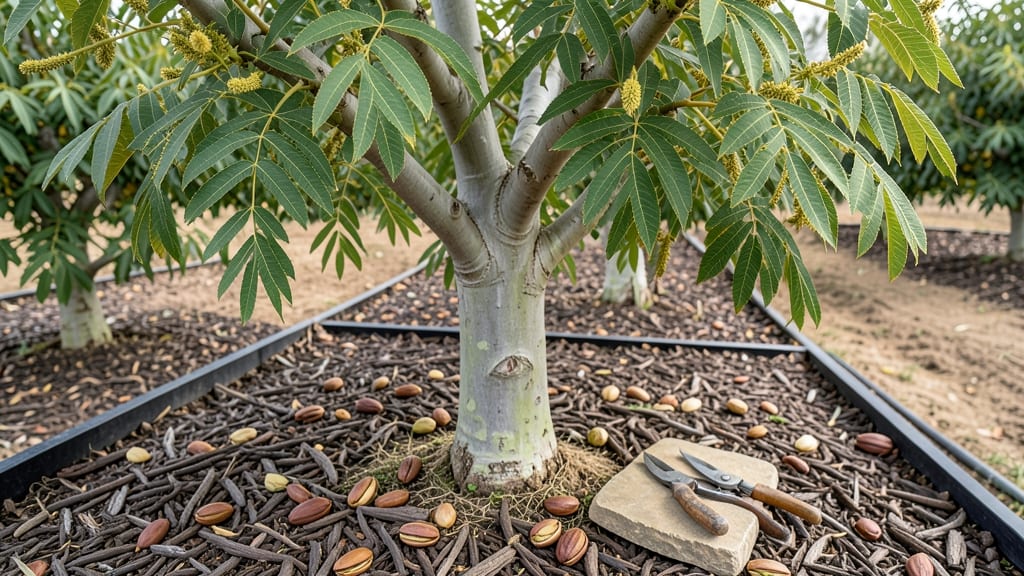
Pistachio shells in the garden prevent waste by repurposing them as natural soil amendments, pest deterrents, and decorative accents. Their coarse texture improves drainage while releasing potassium over time, benefiting root health and plant growth.
These shells aren't just waste—they're a powerhouse for gardeners looking to cut costs and reduce their environmental footprint. 🌱 The crushed shells break down slowly, releasing nutrients like potassium that help plants thrive, especially in heavy or clay soils where drainage is poor.
I've seen them used as a natural slug barrier too, since their rough edges deter pests from crossing. Plus, their earthy brown color adds a rustic touch to garden beds without needing expensive decor.
What makes them unique is their dual role as both a functional and aesthetic element. Unlike traditional mulch, pistachio shells add structural benefits while keeping weeds at bay.
For example, I've used them to create decorative borders around vegetable patches, which not only looks great but also helps retain moisture during dry spells.
💡 In This Article
- How Pistachio Shells Boost Soil Health Naturally
- Creative Ways to Use Pistachio Shells Beyond Mulch
How pistachio shells boost soil health naturally
The real magic of pistachio shells lies in their chemical composition and physical structure. These shells contain 3-5% potassium by weight, a crucial nutrient that helps regulate plant water uptake and strengthens cell walls.
Unlike synthetic fertilizers, which release nutrients quickly and risk leaching, pistachio shells break down gradually through a process called slow mineralization. When crushed and mixed into soil, they release potassium over 6-12 months, creating a steady nutrient supply that mimics natural decomposition.
Their coarse, angular texture plays a vital role too. Pistachio shells improve soil aeration by creating tiny air pockets between particles, which is especially beneficial for heavy clay soils where compaction is common.
Studies show that adding 10-15% crushed shells by volume to clay soil can increase porosity by up to 25%, allowing roots to access oxygen more easily. This structural improvement helps prevent root rot in moisture-loving plants like tomatoes or peppers, where poor drainage is a common issue.
What sets pistachio shells apart is their natural alkalinity. With a pH of around 8.5-9.0, they can neutralize acidic soils (pH below 6.5), which is common in regions with pine forests or frequent rainfall.
For example, in my own garden, I've used crushed shells to gradually raise the pH of blueberry beds from 5.2 to 6.0 over two growing seasons—just enough to prevent aluminum toxicity while maintaining optimal acidity for these plants.
Unlike lime, which can create sudden pH shifts, pistachio shells adjust soil chemistry more gently.
Comparing them to traditional mulch reveals their unique advantages. While wood chips primarily suppress weeds and retain moisture, pistachio shells actively improve soil fertility. A 2-inch layer of crushed shells provides similar weed suppression to wood chips but with the added benefit of nutrient release.
The shells also resist decomposition better than organic mulches, maintaining their structure for 1-2 years before breaking down completely.
For gardeners dealing with nutrient-poor soils, pistachio shells offer a cost-effective alternative to commercial amendments. A 5-pound bag of shells (about $5-$8) provides roughly 0.2 pounds of potassium oxide, comparable to a small bag of potash fertilizer.
The key difference? Pistachio shells release nutrients slowly without risking salt buildup that can occur with synthetic fertilizers. Their alkaline nature also helps prevent phosphorus lockup, a common issue in acidic soils where plants can't access this essential nutrient.
One practical tip: For best results, crush the shells to 1/4-inch pieces before applying. This increases surface area for microbial activity while preventing large chunks from creating air gaps that could harbor pests.
In container gardens, mix 20% crushed shells with potting soil to improve drainage and provide long-term nutrition—perfect for heavy feeders like tomatoes or peppers that deplete nutrients quickly.