
Planting
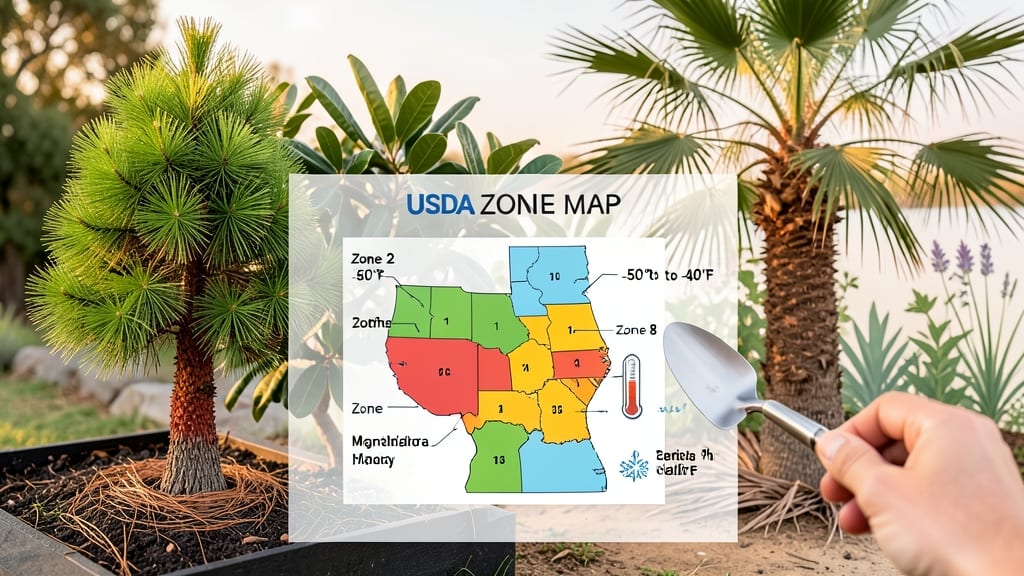
Understanding plant gardening zones helps you select the right plants for your area by matching their cold tolerance to your region's average winter lows. The USDA divides North America into numbered zones (1-13) based on these temperature ranges, making it easier to choose plants that will thrive year after year.
These zones are calculated using 30 years of climate data to determine the coldest average winter temperatures in each area. 🌱 For example, Zone 5 endures -20°F to -10°F winters, while Zone 10 stays above 30°F.
What's fascinating is how these zones shift—some areas move up a zone every decade due to climate change, which means plants that once struggled might now thrive. Microclimates (like sunny south-facing slopes) can also create localized warmer or cooler spots, allowing you to grow plants slightly outside your main zone.
To use these zones effectively, start by finding your location on the USDA Plant Hardiness Zone Map—most gardeners use their ZIP code. Then compare plant labels (which list their recommended zones) to your own.
For instance, peony bushes (Zone 3-8) will die in Zone 10 winters, while bougainvillea (Zone 9-11) would freeze in Zone 5. The key is balancing your zone with the plant's hardiness range, plus adjusting for your garden's specific conditions like wind exposure or soil drainage.
💡 In This Article
- How USDA Plant Hardiness Zones Are Calculated
- Choosing Plants for Your USDA Zone: A Step-by-Step Guide
How USDA plant hardiness zones are calculated
The USDA Plant Hardiness Zone Map relies on 30-year averages of annual minimum winter temperatures, collected from thousands of weather stations across North America. These temperatures define the coldest 10-day average in winter, which is the critical threshold for plant survival.
For example, Zone 6 ranges from -10°F to 0°F, while Zone 8 spans 10°F to 20°F. This data is updated every 10 years to reflect climate trends—since 1990, many areas have shifted one full zone warmer due to rising temperatures.
What makes this system precise is its use of statistical modeling to smooth out local variations. Instead of relying on single weather events, scientists analyze decades of records to identify patterns. This accounts for natural fluctuations while providing a reliable baseline.
However, the map doesn't account for microclimates—small areas with unique conditions. A north-facing wall might be 5-10°F colder than the surrounding area, while a south-facing slope could be 3-5°F warmer, allowing you to grow plants one zone harder or softer than your official zone.
Beyond cold tolerance, the USDA system also considers heat zones through partnerships with organizations like the American Horticultural Society (AHS). Their Heat Zone Map categorizes areas by the number of days above 86°F, helping you select heat-tolerant plants like oleander (Zone 12) or southern magnolia (Zone 7-10).
This dual approach ensures you're not just protecting plants from frost but also from summer stress. For instance, a Zone 7 garden might struggle with tropical hibiscus (Zone 9-11) unless you provide afternoon shade during peak summer heat.
The science behind these zones involves plant physiology, particularly how cold affects cellular structures. When temperatures drop below a plant's tolerance, water in its cells freezes and expands, rupturing cell walls—a process called cytoplasmic freezing.
Hardier plants produce protective proteins and sugars that act like antifreeze, lowering the freezing point of their cell fluids. This is why winter wheat (Zone 3-9) survives -20°F winters while tomatoes (Zone 5-11) typically die in frost.
Understanding this helps explain why some plants can bounce back from cold snaps while others perish.
Climate change adds another layer of complexity. Since 1990, the average USDA zone has shifted northward by 1-2 zones in some regions, meaning plants that once struggled in Zone 6 may now thrive there.
However, this shift isn't uniform—some areas experience faster warming than others, creating mismatches between old zone maps and current conditions. For gardeners, this means regularly checking updated maps and being flexible with plant choices.
For example, blueberries (Zone 3-7) might now grow successfully in areas that were once too warm for them.
To put this into practice, consider how your zone affects plant selection. A Zone 5 gardener can confidently plant daylilies (Zone 3-9) but should avoid palm trees (Zone 9-11) unless using containers that can be moved indoors during winter.
The key is matching the plant's lowest temperature tolerance to your zone's average minimum, with a 5°F buffer for safety. This ensures your garden thrives year after year, even as climate patterns evolve.