
Planting
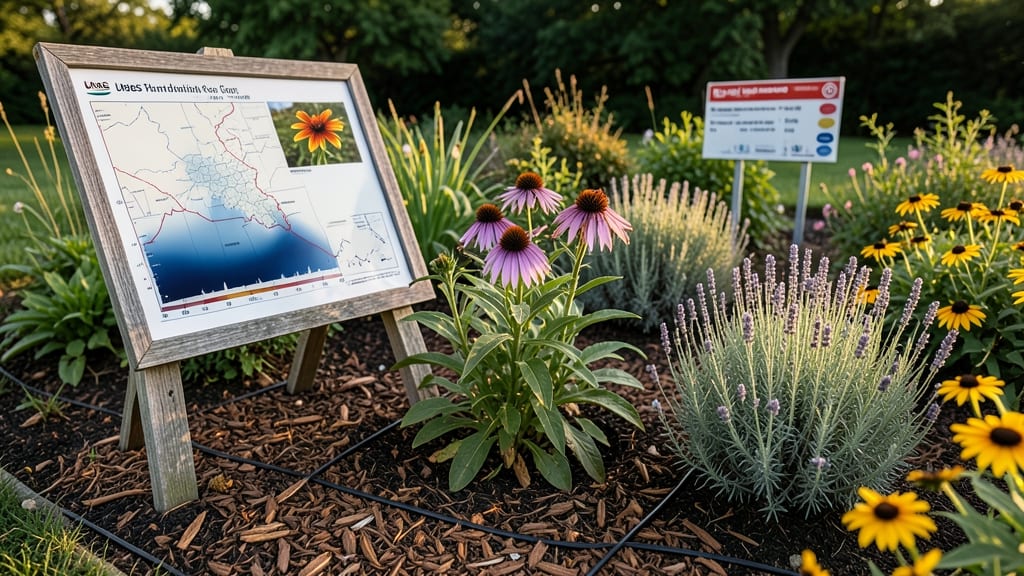
What gardening zone is Cleveland, Ohio located in? It falls within USDA Hardiness Zones 5b and 6a, with winter lows typically ranging from -10°F to -5°F (-23°C to -21°C). These zones help gardeners determine which plants will thrive in the region's climate conditions.
Understanding Cleveland's USDA zones helps you select plants that can handle the city's cold winters and variable spring temperatures.
The lakefront areas often experience slightly milder conditions due to Lake Erie's moderating effect, allowing for a few extra weeks of growing season. 🌱 For example, zones 5b and 6a plants like coneflowers and peonies thrive here, while more tender varieties may need winter protection.
The USDA zone map considers average annual minimum temperatures, but local microclimates can create significant differences even within the same neighborhood.
This zone classification system is essential for both new and experienced gardeners in Cleveland. It provides a baseline for plant selection while reminding you to consider your specific location's unique conditions.
Whether you're planting in the city's urban heat islands or near the lake's cooler breezes, knowing your zone helps maximize your garden's success. The 10°F difference between zones 5b and 6a might seem small, but it can mean the difference between a plant surviving winter or not.
💡 In This Article
- How USDA Zones 5b and 6a Define Cleveland’s Growing Seasons
- Best Plants for Cleveland’s Mixed Zones and Lake Erie Microclimates
How USDA zones 5b and 6a define Cleveland’s growing seasons
The USDA Plant Hardiness Zone Map divides North America into 13 zones based on average annual minimum winter temperatures. Cleveland's classification as zones 5b and 6a means gardeners can expect winter lows between -10°F (-23°C) and -5°F (-21°C).
Zone 5b represents areas with slightly colder winters, while zone 6a covers the warmer microclimates, particularly near Lake Erie. This 5°F difference translates to about 10-14 days longer frost-free season in zone 6a areas.
The zone classification system accounts for long-term averages over 30 years, but Cleveland's climate shows significant variation. The lake creates a moderating effect, with temperatures near the shore staying 5-10°F warmer than inland during winter.
This phenomenon, called the "lake effect," extends the growing season by 2-3 weeks in lakefront neighborhoods. Conversely, urban heat islands in downtown Cleveland can push summer temperatures 5-7°F higher than surrounding areas, creating heat stress for some plants.
Understanding these zones helps determine which plants will thrive. For instance, zone 5b plants like Russian sage (Perovskia atriplicifolia) tolerate -20°F (-29°C) winters, while zone 6a varieties such as butterfly bush (Buddleia davidii) may struggle in colder pockets.
The 10°F difference between zones also affects spring planting times - zone 6a gardeners can plant tender annuals 2-3 weeks earlier than their zone 5b neighbors.
Cleveland's growing season typically spans 160-180 days from last spring frost to first fall frost. The lake effect creates a 30-mile temperature gradient from shore to inland, with lakefront areas experiencing fewer than 150 frost days annually compared to 175+ days inland.
This variation explains why some garden centers recommend different plant varieties for "lakefront" vs "inland" Cleveland locations.
What most gardeners don't realize is how elevation changes within the city further modify microclimates. Areas like the West Side sit 800+ feet above sea level, experiencing 2-3°F colder temperatures than lake-level neighborhoods.
This elevation difference creates a mini climate zone where some zone 6a plants may behave more like zone 5b varieties.
For practical application, use the zone map as a starting point but verify with local records.
The Cleveland Botanical Garden maintains detailed planting records showing that while the USDA zones provide a baseline, Cleveland's actual last spring frost averages April 15 and first fall frost around October 15 - about 2 weeks later than the zone map would suggest for zone 5b.